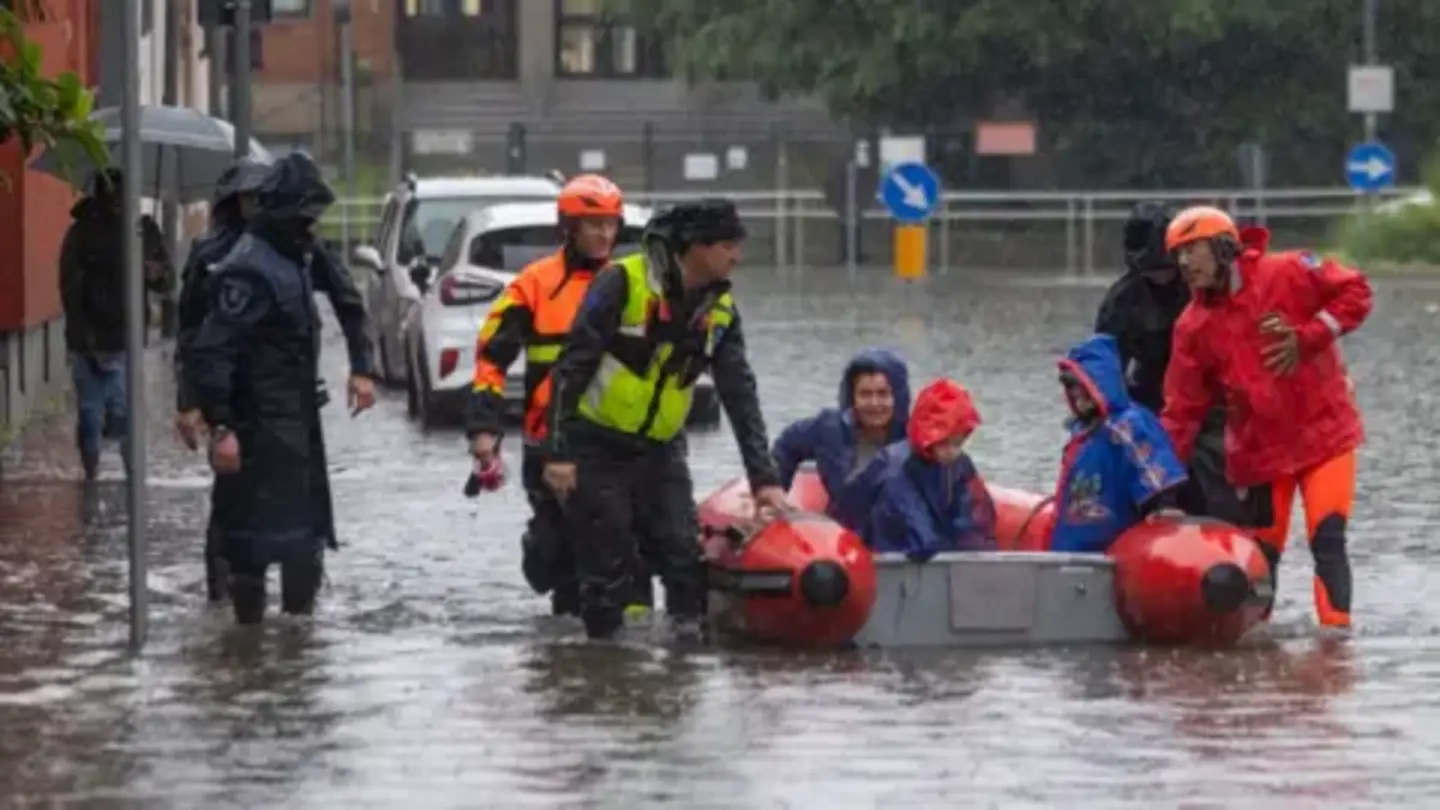
Heavy rainfall has triggered severe flooding in southern Thailand, resulting in fatalities and widespread disruption. Several provinces have been declared disaster zones as authorities struggle to cope with the escalating crisis. The deluge has submerged homes, businesses, and infrastructure, leaving thousands stranded and in need of assistance.
Impact and Casualties
Initial reports indicate that multiple people have lost their lives due to the floods, and the number is expected to rise as rescue operations continue. Many communities are isolated due to impassable roads and damaged bridges, hampering efforts to deliver essential supplies and evacuate residents. The flooding has also affected agricultural land, raising concerns about potential food shortages and economic losses for farmers in the region.
Emergency services are working tirelessly to reach those affected, utilizing boats and helicopters to access remote areas. Evacuation centers have been established to provide shelter, food, and medical care to displaced individuals. However, resources are stretched thin as the scale of the disaster becomes increasingly apparent. The Thai government has pledged to provide financial aid and support to help communities rebuild and recover from the devastating impact of the floods.
Causes and Contributing Factors
The heavy rainfall is attributed to a combination of seasonal monsoon patterns and the influence of tropical weather systems. Climate change is also believed to be a contributing factor, exacerbating the intensity and frequency of extreme weather events. Deforestation and inadequate drainage systems have further compounded the problem, increasing the vulnerability of communities to flooding.
Environmental experts are calling for urgent action to address the underlying causes of the flooding and implement measures to mitigate the risks of future disasters. This includes investing in improved infrastructure, promoting sustainable land management practices, and strengthening early warning systems. The Thai government is committed to working with local communities and international organizations to develop a comprehensive strategy for disaster preparedness and resilience.
The situation remains critical as floodwaters continue to rise in some areas. The focus is on ensuring the safety and well-being of affected residents and providing them with the necessary support to cope with the immediate challenges. Long-term recovery efforts will require a coordinated approach involving government agencies, NGOs, and the private sector. The resilience and solidarity of the Thai people will be crucial in overcoming this crisis and building a more sustainable future.
The floods serve as a stark reminder of the devastating consequences of climate change and the urgent need for global action to reduce greenhouse gas emissions and protect vulnerable communities from the impacts of extreme weather events. International assistance is being sought to supplement national efforts and provide specialized expertise in disaster relief and recovery.
Image Source: Google | Image Credit: Respective Owner