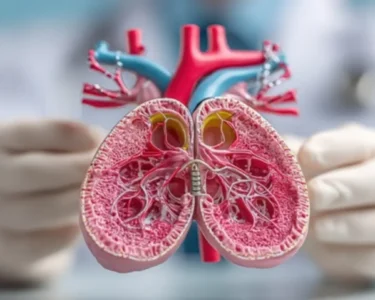
The age-old debate of tea versus coffee extends beyond personal preference, impacting even our bone health. Recent expert analysis, as reported by The Times of India, delves into the complex relationship between these popular beverages and the density of our skeletal system. While both offer potential benefits, the findings suggest a nuanced picture, with neither drink emerging as a clear-cut winner for everyone.
The key lies in the compounds present in each beverage. Coffee, known for its caffeine kick, can interfere with calcium absorption, potentially weakening bones over time. However, this effect is largely mitigated by adequate calcium intake. Individuals who consume sufficient calcium – through diet or supplements – can largely counteract the negative impact of coffee on bone density. Furthermore, coffee contains antioxidants that contribute to overall health, indirectly supporting bone well-being.
Tea, particularly green tea, also boasts antioxidant properties, offering protection against cellular damage. Certain types of tea contain flavonoids, compounds linked to improved bone mineral density. However, the type of tea and brewing method significantly influence the concentration of these beneficial flavonoids. Black tea, for instance, contains less of these compounds compared to green tea. The addition of milk to tea, a common practice, can also hinder iron absorption, which is crucial for bone health.
Impact of Caffeine and Other Compounds
Caffeine’s role is central to the discussion. Excessive caffeine consumption, regardless of source, can increase calcium excretion through urine. This is particularly concerning for individuals already at risk of osteoporosis, such as postmenopausal women. However, moderate caffeine intake, coupled with sufficient calcium and vitamin D, is unlikely to pose a significant threat to bone health. The experts emphasize the importance of balance and individual needs.
Beyond caffeine, other components in tea and coffee can play a role. Coffee’s potential to enhance vitamin D absorption is a positive aspect, while tea’s tannins can interfere with iron absorption. These interactions highlight the complexity of assessing the overall impact of each beverage. It’s not simply about the presence or absence of a single nutrient; it’s about how these compounds interact with each other and with the body’s existing nutritional status.
The study also points out that the effect of tea and coffee on bone health can vary depending on genetic predisposition and lifestyle factors. Individuals with certain genetic variations may be more susceptible to the negative effects of caffeine, while those who engage in regular weight-bearing exercise are likely to have stronger bones regardless of their beverage choices.
Ultimately, the experts conclude that both tea and coffee can be part of a bone-healthy diet, provided they are consumed in moderation and alongside adequate calcium, vitamin D, and a balanced lifestyle. There is no definitive “better” option; the ideal choice depends on individual circumstances and preferences. Those concerned about their bone health should consult with a healthcare professional to determine the best dietary approach for their specific needs.
The report stresses the importance of mindful consumption and paying attention to how your body responds to each beverage. Listening to your body and making informed choices are key to maintaining strong and healthy bones throughout life.
Image Source: Google | Image Credit: Respective Owner