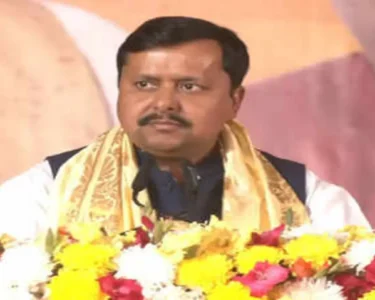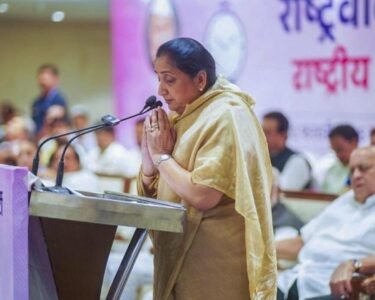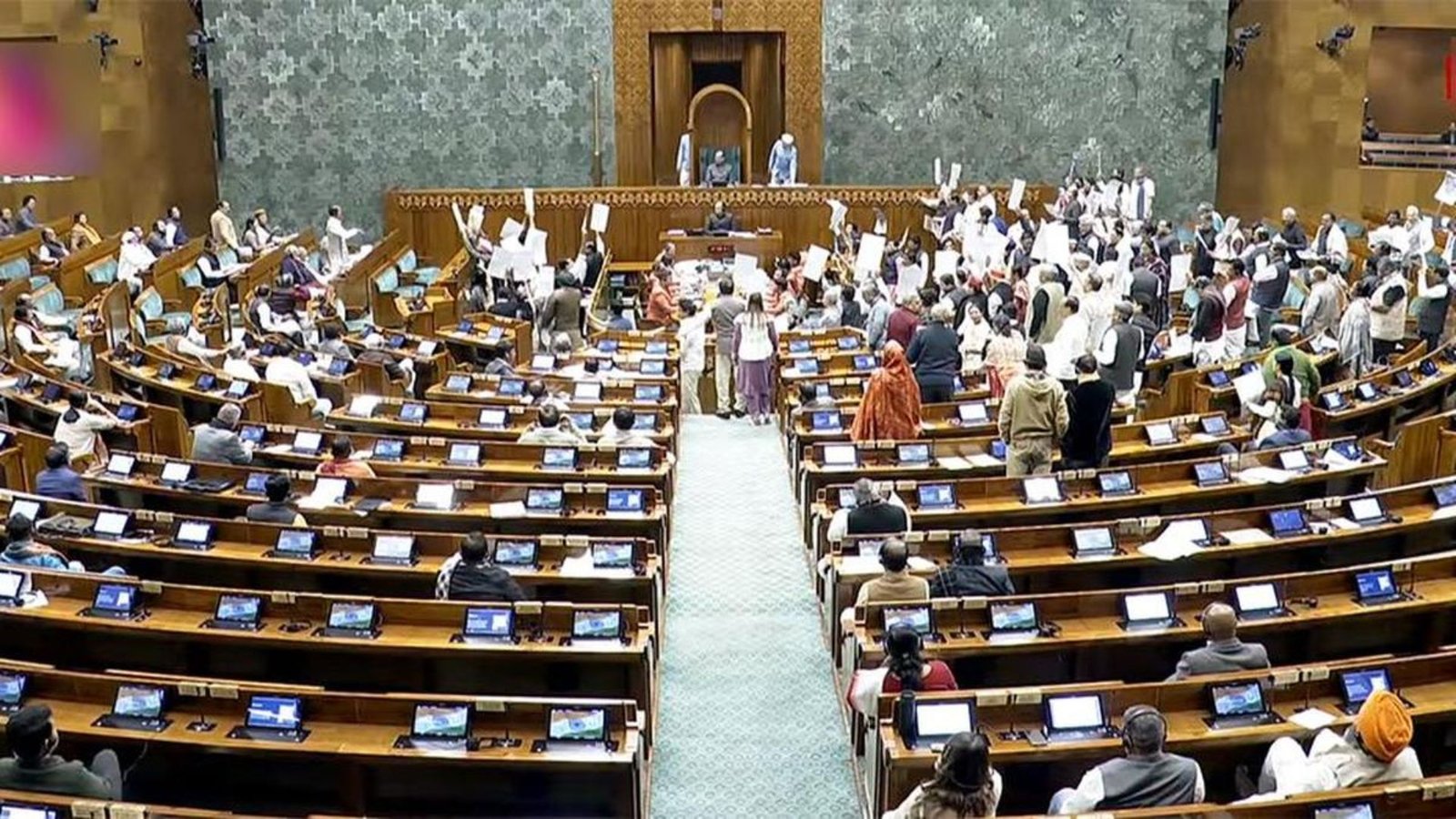
The Telugu Desam Party (TDP) has strongly opposed the central government’s proposed legislation to replace the Mahatma Gandhi National Rural Employment Guarantee Act (MGNREGA), warning that the move would significantly increase the financial burden on states while reducing employment opportunities for workers.
Party leaders have raised serious concerns about the new bill, which they claim would undermine the federal structure by shifting fiscal responsibilities to states without adequate compensation. MGNREGA, which guarantees 100 days of wage employment annually to rural households, has been a cornerstone of India’s rural development strategy since its implementation in 2006.
Financial implications for states
According to TDP representatives, the proposed replacement legislation would require states to bear a larger share of the financial burden, potentially crippling their budgets. Under the current MGNREGA framework, the central government covers the majority of wage costs and material expenses, providing crucial support to states with limited financial resources.
The party has highlighted that Andhra Pradesh, along with other states, would face severe financial strain if forced to assume greater responsibility for rural employment schemes. This comes at a time when states are already grappling with reduced central allocations and increased expenditure demands across various sectors.
Critics argue that the proposed changes would effectively dilute the employment guarantee aspect of the scheme, making it more difficult for rural workers to access work opportunities. The TDP has emphasized that any modifications to MGNREGA should strengthen rather than weaken the program’s core objectives.
Broader political implications
The opposition from TDP reflects growing concerns among regional parties about the centralization of power and resources. The party’s stance aligns with broader criticism from various political quarters about the potential impact on rural livelihoods and state autonomy.
MGNREGA has been credited with providing critical income support to millions of rural households, particularly during economic downturns and agricultural lean seasons. The scheme has also contributed to the creation of rural infrastructure, including roads, water conservation structures, and irrigation facilities.
Analysts suggest that any attempt to restructure MGNREGA could have significant electoral implications, particularly in states with large rural populations. The program’s widespread reach and impact on rural livelihoods make it a politically sensitive issue across party lines.
The central government has not yet provided detailed explanations about the specific provisions of the proposed replacement legislation, leaving room for speculation and concern among stakeholders. The TDP has called for greater transparency in the consultation process and urged the government to consider states’ concerns before proceeding with the legislation.
As the debate continues, the future of India’s flagship rural employment program remains uncertain, with potential implications for millions of workers and the broader rural economy.