Tata Motors, India’s leading electric vehicle (EV) manufacturer, has appealed to the government for financial assistance to sustain the production of entry-level electric cars amidst escalating cost pressures. The company is concerned that rising component costs, particularly those of batteries, are threatening the viability of producing EVs accessible to a wider segment of the population.
According to sources, Tata Motors has communicated to policymakers that the current pricing of entry-level EVs is becoming increasingly unsustainable. The company fears that without government intervention, the prices of these vehicles will be forced to increase, potentially hindering the growth of the EV market in India and slowing down the country’s transition to cleaner transportation.
The plea for support comes at a critical juncture as the Indian government is actively promoting the adoption of electric vehicles through various incentives and policies. However, the high cost of batteries, which constitute a significant portion of an EV’s price, remains a major obstacle. Tata Motors is seeking measures such as continued subsidies or tax benefits specifically targeted at entry-level EVs to offset these costs.
The company’s concerns are not isolated. Other EV manufacturers in India are also facing similar challenges. The global supply chain disruptions and the increasing demand for battery materials have led to a substantial rise in battery prices, impacting the overall cost of EV production. This situation is particularly challenging for manufacturers focusing on the mass market segment, where price sensitivity is high.
Impact on EV Adoption
Industry experts believe that government support is crucial to maintain the momentum of EV adoption in India. If entry-level EVs become too expensive, it could discourage potential buyers, particularly those in smaller cities and towns, from switching to electric mobility. This could also slow down the development of the EV ecosystem, including charging infrastructure and battery manufacturing.
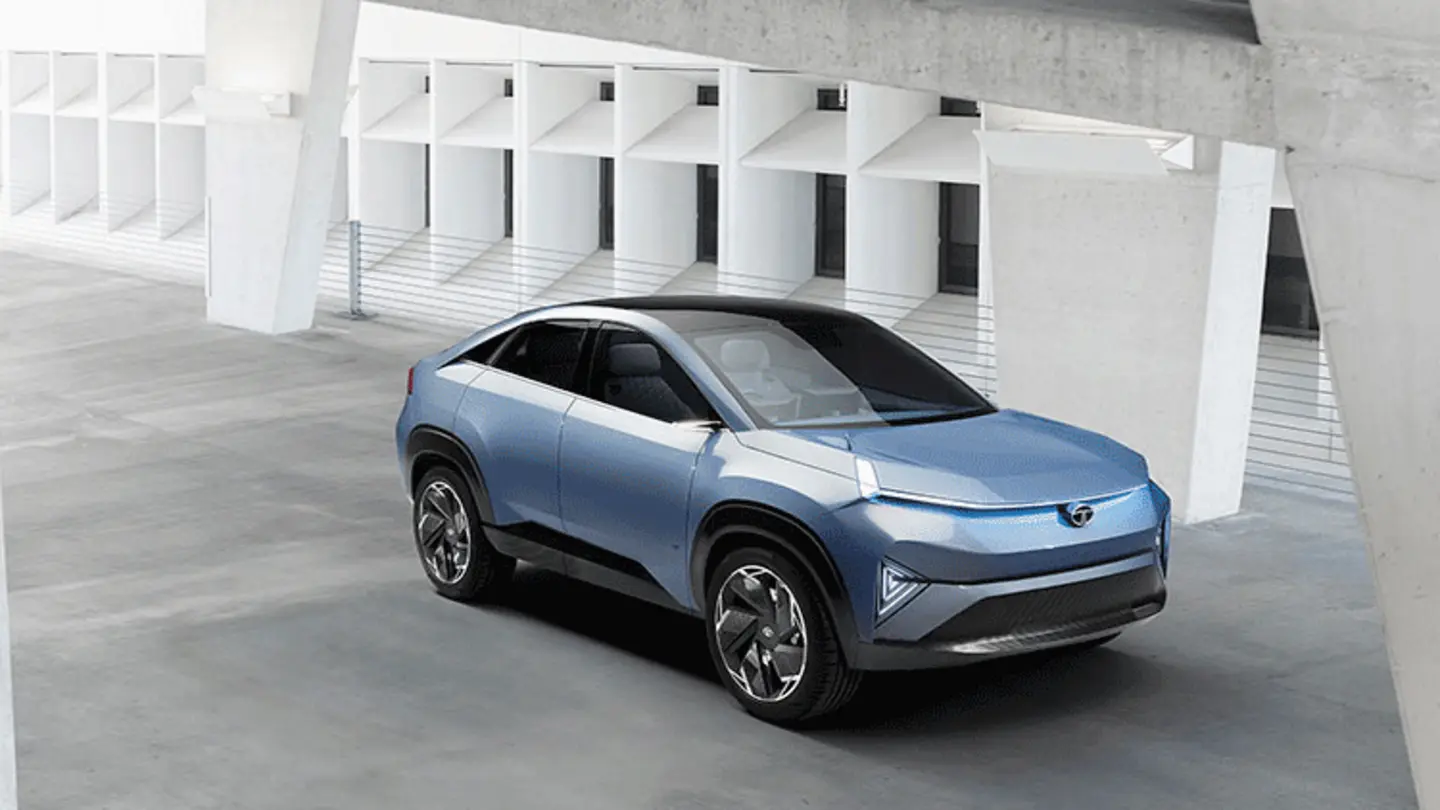
Tata Motors currently dominates the Indian EV market with models like the Nexon EV and Tiago EV. The Tiago EV, being the most affordable electric car in India, is particularly vulnerable to cost fluctuations. Maintaining its price point is essential for attracting first-time EV buyers and driving mass adoption.
The company is also investing heavily in developing new EV technologies and expanding its production capacity. However, these investments may be jeopardized if the market for entry-level EVs shrinks due to high prices. Tata Motors is hoping that the government will recognize the importance of supporting this segment to ensure the long-term success of the EV revolution in India.
The government is currently reviewing the Faster Adoption and Manufacturing of (Hybrid &) Electric Vehicles (FAME) scheme, which provides subsidies for EV purchases. Industry stakeholders are eagerly awaiting the outcome of this review, hoping for a continuation and expansion of the scheme to address the rising cost challenges. A favorable policy environment will be vital for sustaining the growth of the Indian EV market and achieving the country’s ambitious electrification goals.
Analysts suggest that a phased reduction of subsidies, coupled with incentives for local battery manufacturing, could be a viable solution. This would help to reduce the dependence on imported batteries and lower the overall cost of EV production in the long run.
Image Source: Google | Image Credit: Respective Owner