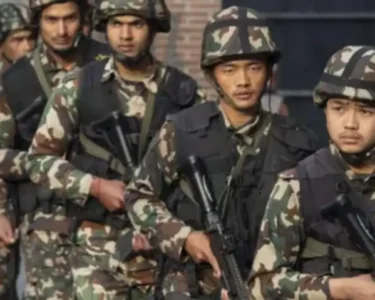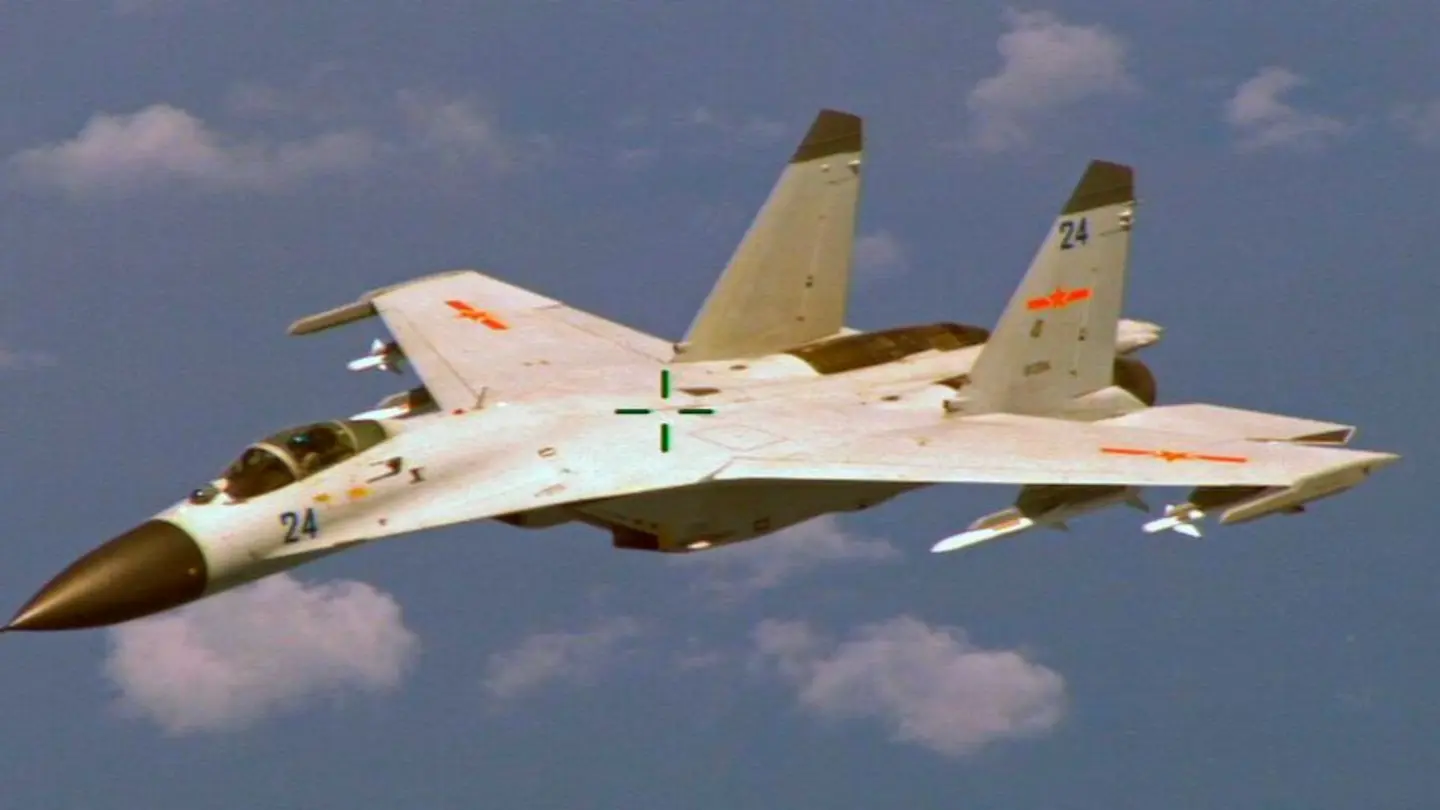
Recent analysis suggests that the People’s Liberation Army (PLA) of China faces significant hurdles in attempting a successful invasion of Taiwan, dismissing the notion of a swift takeover. The EurAsian Times’ report highlights growing concerns about Beijing’s military capabilities when confronted with a coordinated defense involving the United States, Japan, and South Korea – and potentially India.
The assessment points to a complex and challenging operational environment for the PLA, encompassing logistical nightmares, the strength of Taiwan’s defensive systems, and the potential for robust intervention from regional allies. Crucially, the report examines whether India will actively join a coalition dedicated to deterring Chinese aggression and defending Taiwan.
While India officially adheres to a “One China” policy, recognizing the People’s Republic of China as the sole legitimate government of China, New Delhi’s strategic calculations are evolving. Increased border tensions with China, coupled with a deepening partnership with the US, Japan, and Australia through the Quad security dialogue, are all factors influencing India’s approach to the Taiwan Strait.
Uncertainty in India’s Approach
Analysts suggest that direct military involvement remains unlikely in the short term. However, India could offer substantial support through intelligence sharing, logistical assistance, and economic pressure. The potential for India to conduct naval exercises in the South China Sea, demonstrating a commitment to freedom of navigation, also exists. The delicate balance India must maintain – protecting its economic interests with China while bolstering its security partnerships – necessitates a cautious approach.
The article details the PLA’s vulnerabilities, specifically its limited amphibious landing capabilities, which would be essential for any invasion. Taiwan’s mountainous terrain, coupled with its well-prepared defenses, like anti-ship missiles, would pose a formidable challenge. Furthermore, the report suggests that a joint response from the US and its allies would likely overwhelm China’s military resources, making a successful invasion exceedingly difficult.
The strategic importance of Taiwan extends beyond its geographic location. As a major producer of semiconductors, Taiwan plays a crucial role in the global technology supply chain. Disrupting this supply chain would have cascading effects on economies worldwide, including India. This economic dimension adds another layer of complexity to the situation.
The prospect of a Chinese invasion isn’t just a Taiwan-centric issue. It’s a test of the United States’ commitment to its allies in the Indo-Pacific region and a crucial element in the broader geopolitical competition between the US and China. India’s decision, therefore, carries significant weight, potentially shaping the regional security architecture for years to come. The Eurasian Times article outlines multiple scenarios, assessing the likelihood of India’s involvement based on evolving regional dynamics and its national interests. It concludes that while direct military intervention is improbable, India’s indirect support and diplomatic signaling could be vital in deterring Beijing from any aggressive action.
Ultimately, the report posits that Taiwan is far from a “walkover” for China, and the possibility of a coordinated, multi-national defense is increasing – a defense that may well need to incorporate India’s substantial capabilities.
Image Source: Google | Image Credit: Respective Owner