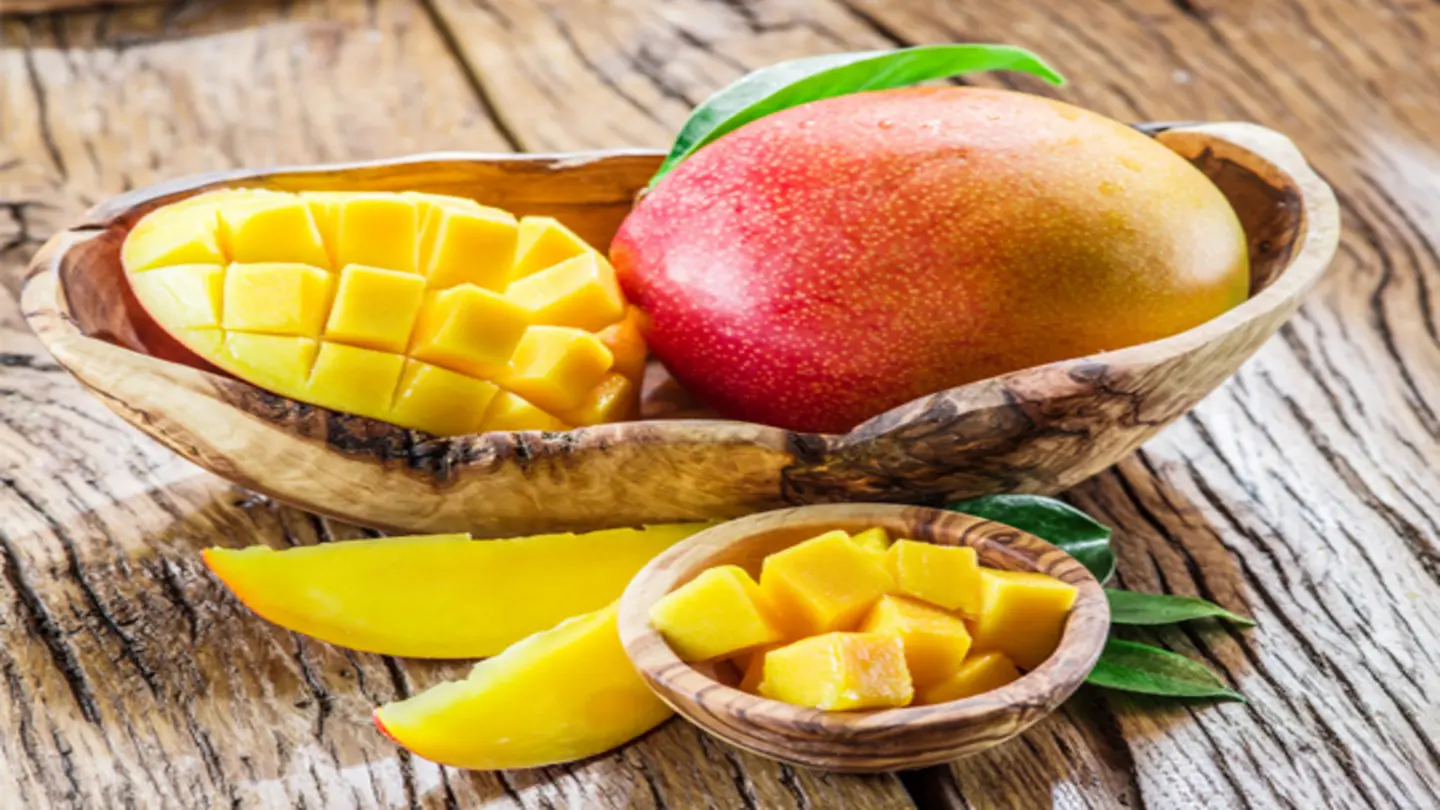
A recent study published in the Journal of Nutritional Biochemistry has revealed that a specific type of sweet fruit can play a significant role in managing and potentially preventing type 2 diabetes. The research, conducted by scientists at the All India Institute of Medical Sciences (AIIMS), New Delhi, focused on the impact of mangoes on blood sugar levels and insulin sensitivity.
The study involved 120 participants diagnosed with pre-diabetes or early-stage type 2 diabetes. The participants were divided into two groups: one group consumed 100 grams of fresh mango daily for 12 weeks, while the control group followed their regular diet without any fruit supplementation. Researchers meticulously monitored blood glucose levels, insulin resistance, and other metabolic markers throughout the study period.
Key Findings
The results demonstrated that the group consuming mangoes experienced a significant reduction in fasting blood glucose levels compared to the control group. Furthermore, the mango group exhibited improved insulin sensitivity, indicating that their bodies were becoming more efficient at utilizing insulin to regulate blood sugar. The researchers attributed these beneficial effects to the presence of specific bioactive compounds found in mangoes, including mangiferin, a potent antioxidant and anti-inflammatory agent.
“Our findings suggest that mangoes, when consumed in moderation, can be a valuable addition to a diabetes-friendly diet,” said Dr. Anjali Sharma, lead author of the study. “The high fiber content in mangoes also contributes to slower sugar absorption, preventing rapid spikes in blood glucose levels. Mangiferin, in particular, has shown promising results in improving insulin signaling and reducing oxidative stress, which are key factors in the development and progression of diabetes.”
Implications for Diabetes Management
The study’s findings have significant implications for diabetes management. While it is crucial for individuals with diabetes to carefully monitor their carbohydrate intake, incorporating moderate amounts of mangoes into their diet could offer several health benefits. However, the researchers emphasized the importance of consulting with a healthcare professional or registered dietitian to determine the appropriate portion sizes and ensure that mango consumption aligns with individual dietary needs and glycemic control goals.
“Mangoes should not be seen as a standalone cure for diabetes, but rather as a complementary dietary component that can support overall health and well-being,” Dr. Sharma cautioned. “A balanced diet, regular physical activity, and adherence to prescribed medications remain the cornerstones of effective diabetes management.”
Further research is underway to investigate the long-term effects of mango consumption on diabetes prevention and management. The researchers plan to conduct larger-scale studies with diverse populations to confirm their findings and explore the optimal ways to incorporate mangoes into diabetes-friendly dietary plans. This study provides a hopeful glimpse into the potential of natural foods in combating a global health crisis, offering a tasty and potentially beneficial option for those seeking to manage their blood sugar levels.
Image Source: Google | Image Credit: Respective Owner