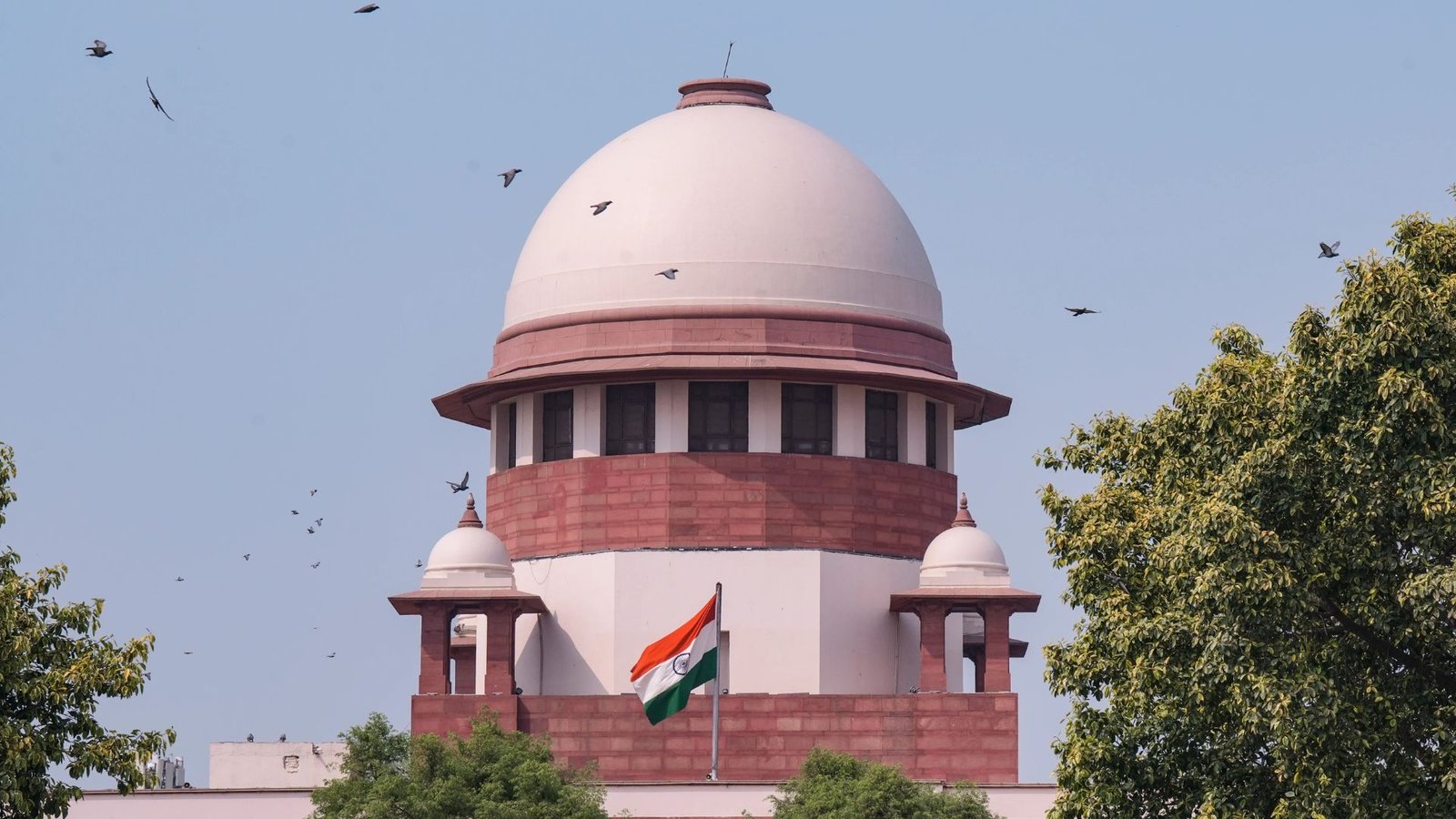
The Supreme Court has quashed multiple First Information Reports (FIRs) filed under the Uttar Pradesh Prohibition of Unlawful Conversion of Religion Act, 2021, asserting that the law should not be used as a tool to harass innocent individuals. The court emphasized that the Act’s provisions must be interpreted and applied judiciously to prevent its misuse.
Background of the Case
The cases brought before the Supreme Court involved individuals accused of violating the Uttar Pradesh anti-conversion law, which prohibits religious conversions deemed to be the result of coercion, fraud, or undue influence. Petitioners argued that the FIRs filed against them were baseless and intended to harass them, infringing upon their fundamental rights.
Supreme Court’s Observations
During the proceedings, the Supreme Court bench expressed serious concerns about the manner in which the Uttar Pradesh law was being implemented. The court noted that several FIRs appeared to be filed without proper investigation or substantial evidence, suggesting a potential misuse of the law to target individuals and communities.
The bench also highlighted the importance of upholding personal liberty and ensuring that laws are not used as instruments of oppression. The court stated that while the state has the right to regulate religious conversions, such regulations must be in accordance with constitutional principles and should not infringe upon the fundamental rights of citizens.
Implications of the Judgement
The Supreme Court’s decision to quash the FIRs serves as a significant check on the implementation of anti-conversion laws in Uttar Pradesh. It underscores the need for state authorities to exercise restraint and conduct thorough investigations before filing charges under such laws. The judgement also reaffirms the judiciary’s role in safeguarding fundamental rights and preventing the misuse of legislation.
Legal and Social Impact
This ruling is expected to have a broader impact on similar anti-conversion laws in other states. It sends a clear message that such laws must be applied fairly and transparently, with due regard for individual freedoms. The decision is likely to be welcomed by civil rights activists and minority groups who have raised concerns about the potential for these laws to be used to target vulnerable populations.
Furthermore, the Supreme Court’s stance reinforces the importance of maintaining a secular framework in India, where all citizens are entitled to equal protection under the law, regardless of their religious beliefs. The verdict is a reminder that the judiciary plays a critical role in upholding constitutional values and preventing the erosion of civil liberties.
The Uttar Pradesh government has been directed to review the implementation of the anti-conversion law and ensure that it is not used as a tool for harassment. The Supreme Court’s intervention is a step towards promoting justice and protecting the rights of all citizens.
Image Source: Google | Image Credit: Respective Owner