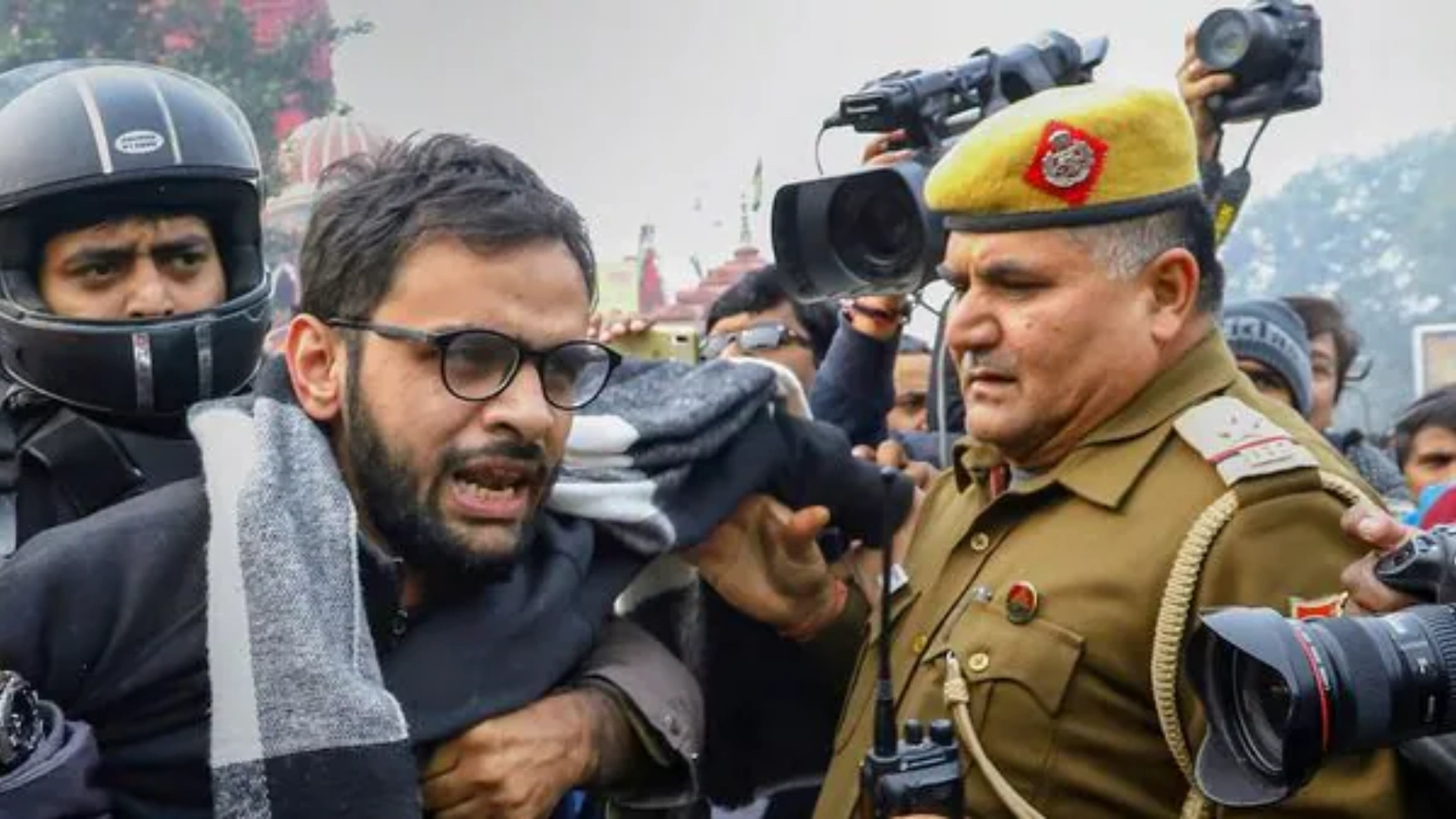
The Supreme Court has deferred the hearing on the bail petitions of Umar Khalid and Sharjeel Imam, both accused in the Delhi riots case, until September 22. The decision was announced following a request for adjournment, adding another chapter to the prolonged legal battle. The case revolves around the alleged conspiracy behind the 2020 Delhi riots, which saw widespread violence and unrest across the city.
Umar Khalid, a former Jawaharlal Nehru University (JNU) student leader, and Sharjeel Imam, a research scholar, have been in custody for a considerable period, facing serious charges under the Unlawful Activities (Prevention) Act (UAPA) and various sections of the Indian Penal Code (IPC). The prosecution has accused them of being key conspirators in inciting the riots, alleging that their speeches and actions contributed to the outbreak of violence.
Legal Proceedings and Arguments
The legal proceedings have been closely watched, with numerous hearings in the lower courts and the Delhi High Court before the matter reached the Supreme Court. Advocates representing Khalid and Imam have consistently argued that the charges against them are baseless and politically motivated. They contend that the prosecution has failed to provide substantial evidence linking their clients directly to the violence that occurred.
The prosecution, on the other hand, maintains that there is sufficient evidence, including witness testimonies and digital records, to establish the involvement of Khalid and Imam in the alleged conspiracy. They have presented transcripts of speeches and social media posts, arguing that these materials demonstrate a clear intent to incite unrest and disrupt public order.
Implications of the Delay
The adjournment of the bail hearing means that Khalid and Imam will remain in custody for an extended period, further prolonging their legal ordeal. This delay has drawn criticism from various quarters, with concerns raised about the prolonged pre-trial detention of individuals accused of serious offenses. Human rights organizations and legal experts have emphasized the importance of ensuring a fair and speedy trial for all accused persons, in accordance with the principles of justice and due process.
The Supreme Court’s decision to defer the hearing underscores the complexity of the case and the need for a thorough examination of the evidence presented by both sides. The court is expected to carefully consider the arguments and counter-arguments before arriving at a decision on the bail petitions. The outcome of the hearing will have significant implications for the future of the case and the legal proceedings against Khalid and Imam.
Looking Ahead
As the case progresses, it is likely to continue to attract significant attention and scrutiny. The Delhi riots case has become a focal point for discussions about freedom of speech, political dissent, and the application of stringent laws such as the UAPA. The final outcome of the legal proceedings will undoubtedly have a lasting impact on the broader political and legal landscape in India.
The next hearing on September 22 is keenly anticipated, with all eyes on the Supreme Court as it navigates the complex legal and factual issues involved. The decision reached by the court will be a crucial step in determining the fate of Umar Khalid and Sharjeel Imam, and will also serve as an important precedent for similar cases in the future.
Image Source: Google | Image Credit: Respective Owner