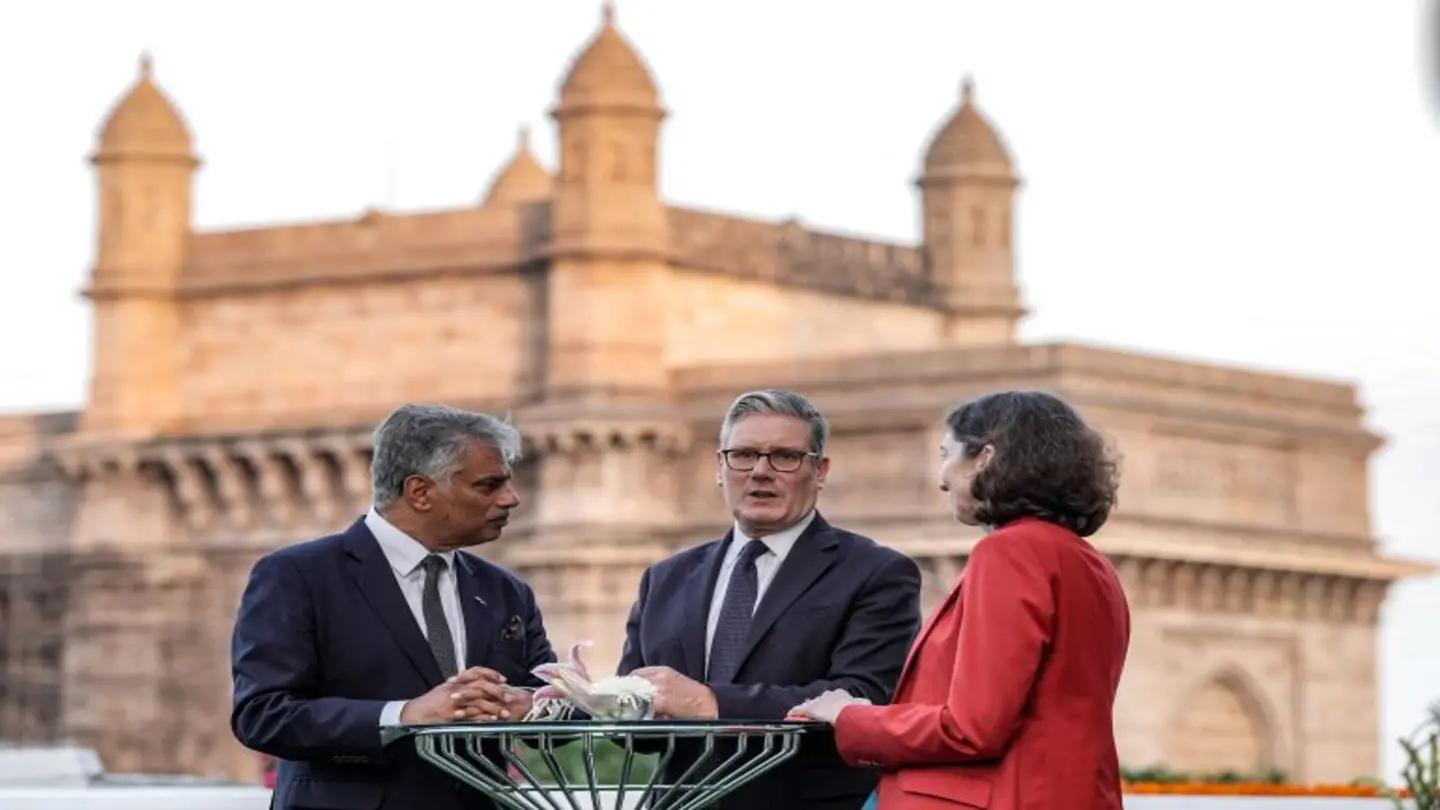
Keir Starmer, leader of the UK’s Labour Party, has embarked on a high-profile trip to China, aiming to reset relations with Beijing despite navigating complex tensions with the United States. The visit, a significant diplomatic move, signals Labour’s intent to pursue an independent foreign policy should they win the upcoming general election.
Starmer’s delegation includes shadow foreign minister David Lammy, underscoring the seriousness of the endeavour. While the Labour Party has criticized the Chinese government’s human rights record – particularly concerning the Uyghur minority and the crackdown on pro-democracy movements in Hong Kong – they maintain that diplomatic engagement is crucial.
The visit comes at a delicate moment. The US has repeatedly urged its allies to adopt a harder line on China, viewing Beijing as a strategic competitor. Any perceived warming of ties between the UK and China is likely to be scrutinized in Washington. Starmer is expected to address these concerns, emphasizing that a Labour government would continue to defend British values and interests on the global stage.
During the trip, Starmer is scheduled to meet with Chinese government officials, business leaders, and academics. Key discussion topics are expected to include trade, investment, climate change, and regional security. The Labour leader aims to secure commitments from China on fair trade practices and market access for British companies.
Balancing Act
Analysts suggest that Starmer faces a challenging balancing act. He needs to demonstrate to the Chinese government that Labour is willing to engage and rebuild trust, while also assuring the US that the UK remains a steadfast ally. This requires careful messaging and a nuanced approach to diplomacy.
The UK-China relationship has been strained in recent years due to a number of factors, including the imposition of national security laws in Hong Kong, allegations of human rights abuses in Xinjiang, and concerns about Chinese interference in British politics and infrastructure projects. The previous Conservative government, while maintaining economic ties, adopted a more critical stance towards Beijing.
Starmer’s team has indicated that he will raise sensitive issues during his meetings with Chinese officials, but will do so in a private and constructive manner. Publicly, the focus is likely to be on areas of potential cooperation, such as climate change, where both countries have a shared interest.
The outcome of the visit could have significant implications for the future of the UK-China relationship. If Starmer can successfully navigate the diplomatic minefield and secure concrete commitments from Beijing, it could pave the way for a more stable and productive partnership. However, any misstep could further exacerbate tensions and damage the UK’s standing with both China and the United States. The trip will likely be measured not just by what is said, but by the actions that follow.
Furthermore, the visit provides an opportunity for Starmer to present himself on the world stage and demonstrate his leadership capabilities as a potential future Prime Minister. His ability to articulate a clear and consistent foreign policy vision will be closely watched by both domestic and international audiences.
Image Source: Google | Image Credit: Respective Owner