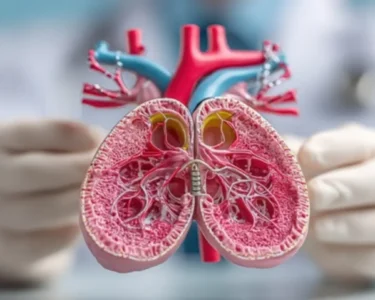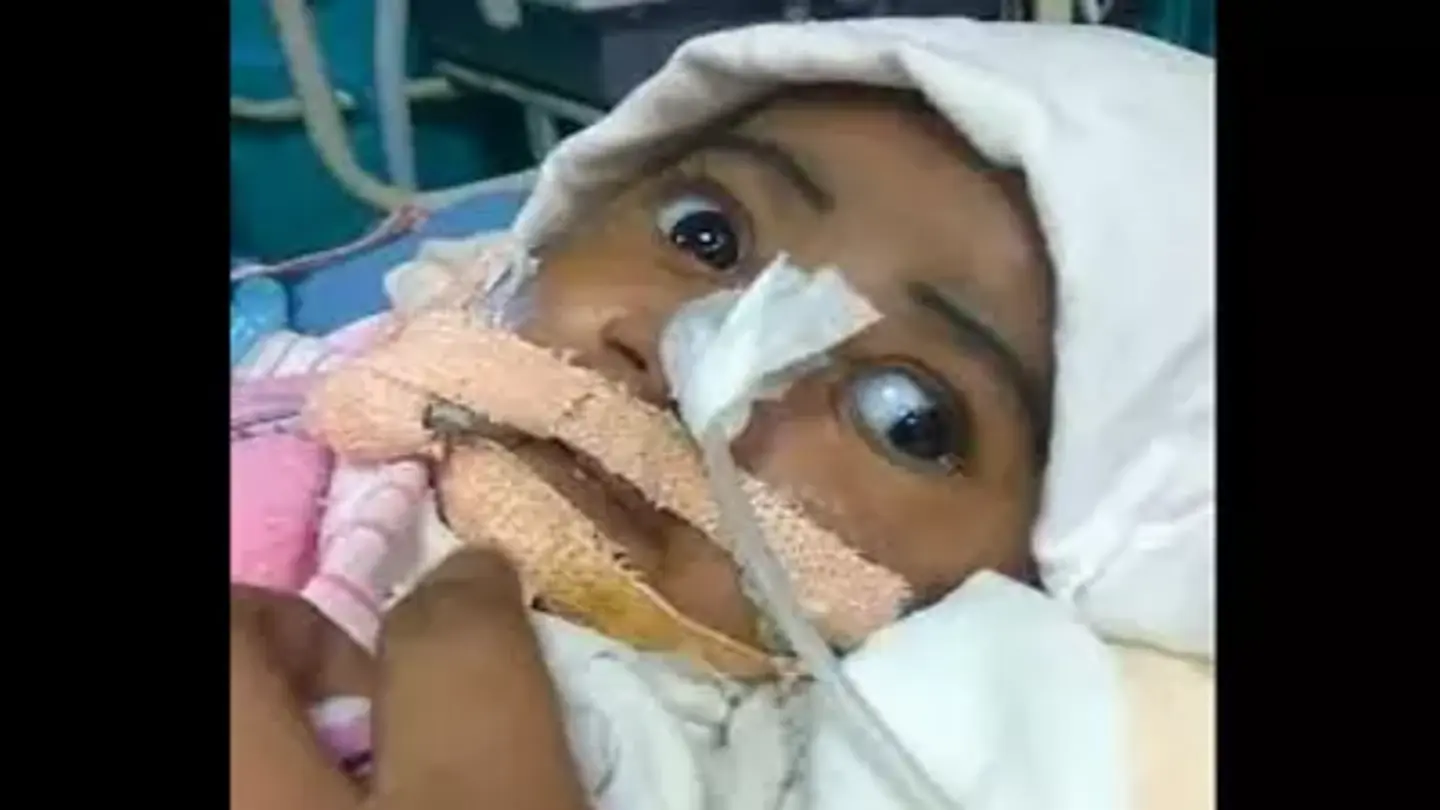
A community workshop focused on raising awareness and providing support for Spinal Muscular Atrophy (SMA) was recently held in Thiruvananthapuram, Kerala. The event, organized by The Hindu, aimed to educate families, caregivers, and healthcare professionals about this rare genetic condition that primarily affects motor neurons, leading to muscle weakness and atrophy.
The workshop featured presentations from leading neurologists and geneticists specializing in SMA. Discussions covered the latest advancements in diagnosis, treatment options – including gene therapy and other emerging therapies – and management strategies for individuals living with the disease. A significant portion of the session was dedicated to addressing the specific challenges faced by families in accessing care and navigating the complexities of SMA.
Spinal Muscular Atrophy is a debilitating condition, with varying degrees of severity. The most common type, SMA Type 1, often presents in infancy and is the most severe form. Without intervention, children with SMA Type 1 typically do not survive beyond two years of age. However, newer treatments have dramatically altered the prognosis for many patients, providing hope for improved quality of life and extended lifespans.
Participants learned about the importance of early detection and intervention. Genetic screening, when available, can identify carriers of the SMA gene, allowing families to make informed decisions about family planning. For those already diagnosed, prompt access to specialized medical care and supportive services is crucial. The workshop emphasized the need for a multidisciplinary approach to care, involving neurologists, geneticists, orthopedic surgeons, respiratory therapists, and other healthcare professionals.
Challenges and Support Networks
A recurring theme throughout the workshop was the financial and emotional strain placed on families affected by SMA. The cost of treatments, particularly gene therapy, can be exorbitant, making them inaccessible to many. Attendees raised concerns about the lack of government support and insurance coverage for SMA-related expenses.
The workshop facilitators encouraged the formation of strong support networks for families. Connecting with others who understand the challenges of living with SMA can provide invaluable emotional support, practical advice, and a sense of community. Several parent-led support groups operating in India were highlighted, offering resources and advocacy opportunities. Information on organizations dedicated to SMA research and patient assistance was also shared.
The event also served as a platform for discussing the need for increased public awareness about SMA. Many healthcare professionals lack specialized knowledge about the condition, leading to delays in diagnosis and inadequate care. Increased awareness can help to reduce these diagnostic delays and ensure that patients receive the appropriate treatment in a timely manner. Speakers pointed to the vital role media plays in disseminating information and challenging stigmas associated with rare diseases like SMA.
Organizers expressed satisfaction with the turnout and the level of engagement from participants. The workshop underscored the commitment of The Hindu and other stakeholders to improving the lives of individuals and families affected by Spinal Muscular Atrophy in Thiruvananthapuram and beyond. Future workshops and outreach initiatives are planned to further expand access to information and support.
Ultimately, the aim is to create a more supportive and informed environment for those navigating the complexities of SMA, empowering them to advocate for their needs and access the best possible care. The event proved a vital step in achieving this goal.
Image Source: Google | Image Credit: Respective Owner