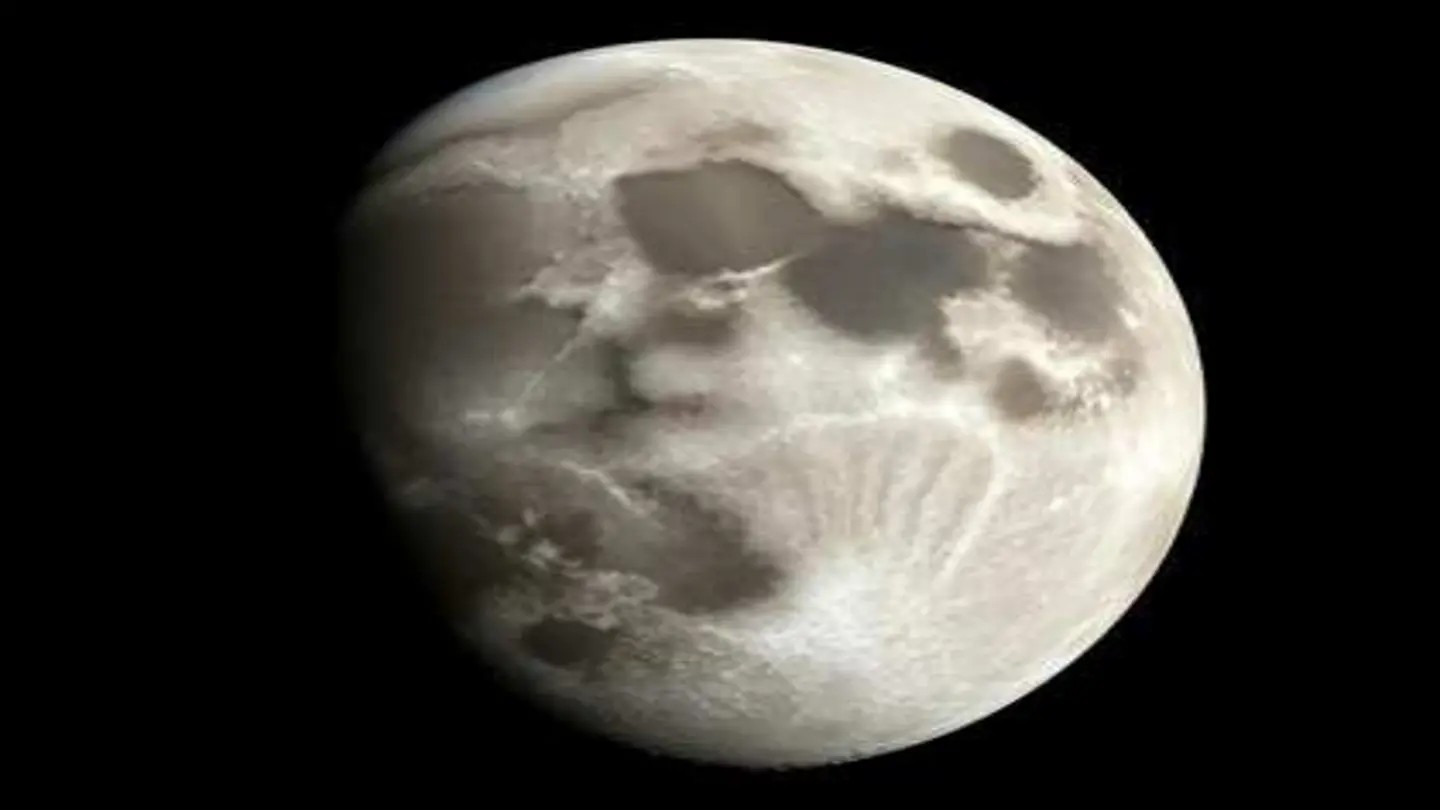
The celestial stage is set for a breathtaking astronomical event as the largest supermoon of 2025 prepares to illuminate the night sky. This phenomenon, anticipated by stargazers and casual observers alike, promises an awe-inspiring display of lunar brilliance. A supermoon occurs when the moon is at its closest point to Earth in its orbit (perigee) while also being in its full phase.
During a supermoon, the moon appears significantly larger and brighter than a typical full moon. This is because the moon’s orbit is not perfectly circular; it’s elliptical. When a full moon coincides with the moon’s closest approach to Earth, the result is a supermoon that can appear up to 14% larger and 30% brighter than when it is at its farthest point (apogee).
Timing and Visibility
Astronomers predict that the optimal viewing time for this supermoon will be around the time of moonrise, as the moon’s proximity to the horizon often creates an illusion of even greater size due to perspective. Clear skies will, of course, be essential for optimal viewing. Observers in areas with minimal light pollution will have the best experience, as the contrast between the supermoon and the surrounding darkness will be most pronounced. Coastal regions, open fields, and mountainous areas often provide excellent vantage points for stargazing.
The supermoon of 2025 is expected to be particularly impressive due to its alignment with the moon’s closest approach to Earth for that year. This close proximity will amplify the visual impact, making it a truly memorable event.
Scientific Significance
Beyond its aesthetic appeal, the supermoon also holds scientific significance. Its gravitational pull exerts a slightly stronger influence on Earth, leading to higher tides. While these tidal variations are generally not dramatic, they are measurable and provide valuable data for studying the Earth-moon system. Scientists use observations of supermoons and their associated tidal effects to refine models of lunar motion and gravitational interactions.
Moreover, supermoons offer opportunities for educational outreach and public engagement with science. These events often spark curiosity about astronomy and space exploration, inspiring people to learn more about the universe and our place within it. Planetariums, observatories, and science museums frequently host special events and programs to coincide with supermoons, providing opportunities for the public to learn from experts and share their enthusiasm for the cosmos.
Historical Context
Throughout history, celestial events like supermoons have held cultural and mythological significance. In many cultures, the moon is associated with various deities and symbolic meanings. Supermoons, with their enhanced brightness and size, have often been interpreted as signs of good fortune or harbingers of change. Even today, the supermoon continues to capture the human imagination, reminding us of the beauty and wonder of the natural world.
As the date approaches, astronomy enthusiasts and casual observers alike are eagerly anticipating the spectacle of the largest supermoon of 2025, ready to witness the lunar majesty that will grace the night sky.
Image Source: Google | Image Credit: Respective Owner