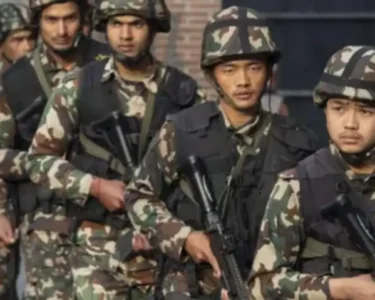
Devastating storms and floods have swept across Southeast Asia and Sri Lanka, resulting in a tragic loss of life and widespread displacement. Nearly 1,000 people have been reported dead as a result of the extreme weather events, with Sri Lanka among the hardest-hit nations. The storms have brought torrential rainfall, triggering landslides and causing rivers to overflow, submerging entire villages and urban areas.
The scale of the disaster is immense, with rescue and relief efforts underway in multiple countries. Emergency responders are struggling to reach remote areas cut off by floodwaters and landslides. The lack of clean water, food, and shelter is exacerbating the crisis, raising concerns about the spread of waterborne diseases.
Sri Lanka’s Devastation
Sri Lanka has borne a significant brunt of the storms, with hundreds of fatalities reported. The island nation’s infrastructure has been severely damaged, hindering rescue operations. President Ranil Wickremesinghe has declared a state of emergency, mobilizing the military and other resources to assist affected communities. International aid organizations are providing assistance, but the sheer magnitude of the disaster is overwhelming local capacities.
In addition to the immediate loss of life, the storms have caused extensive damage to agriculture and livelihoods. Rice paddies, tea plantations, and other crops have been destroyed, threatening food security in the region. The long-term economic impact of the disaster is expected to be substantial.
Regional Impact
The storms have also impacted other countries in Southeast Asia, including Thailand, Malaysia, and Indonesia. Heavy rainfall has caused widespread flooding in low-lying areas, displacing thousands of people. Authorities are working to evacuate residents from vulnerable zones and provide them with temporary shelter. The meteorological departments are closely monitoring the weather patterns and issuing warnings to the public.
The frequency and intensity of extreme weather events in Southeast Asia have increased in recent years, raising concerns about the impact of climate change. Scientists warn that rising global temperatures are contributing to more frequent and intense storms, floods, and droughts. Addressing climate change is crucial to mitigate the risks of future disasters and protect vulnerable communities.
The international community is stepping up efforts to provide humanitarian assistance to the affected countries. Donations of food, water, medicine, and other essential supplies are being coordinated through international organizations and bilateral partnerships. However, the needs are vast, and sustained support will be required to help the region recover from this devastating tragedy.
Image Source: Google | Image Credit: Respective Owner