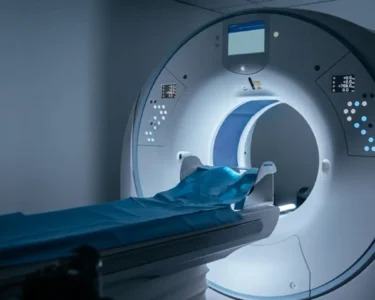
A startup is pioneering a novel approach to treating lung diseases using focused sound waves. The company, founded by a former medical researcher, is developing non-invasive therapies that aim to improve lung function and potentially reverse damage caused by conditions like emphysema and chronic obstructive pulmonary disease (COPD).
The Technology
The core of the innovation lies in the use of precisely calibrated sound waves to stimulate the lungs. These waves are designed to break down mucus, improve airflow, and promote the regeneration of lung tissue. Unlike traditional treatments like surgery or medication, the sound wave therapy is non-invasive and can be administered in a clinic setting.
The research behind this technology has shown promising results in preclinical trials. Studies have demonstrated that the sound waves can effectively clear blocked airways and reduce inflammation in animal models. The hope is that these findings will translate to successful clinical trials in humans.
The Founder’s Vision
The founder, who wishes to remain anonymous for now, has spent years researching innovative ways to combat lung diseases. They believe that sound wave technology offers a revolutionary alternative to existing treatments and has the potential to significantly improve the lives of millions affected by these debilitating conditions.
The startup is currently seeking funding to advance its technology and conduct larger clinical trials. They are also exploring partnerships with hospitals and medical centers to make their therapies accessible to patients.
Potential Impact
The development of sound wave therapy for lung diseases represents a significant advancement in medical technology. If successful, it could provide a less invasive and more effective treatment option for patients with emphysema, COPD, and other lung conditions. This could lead to improved quality of life and reduced healthcare costs in the long run.
The company plans to focus on initially targeting individuals with severe lung disease who have not responded well to conventional treatments. They are also exploring the potential of sound wave therapy for other respiratory conditions.
Image Source: Google | Image Credit: Respective Owner