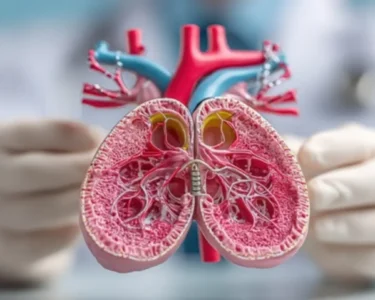
Lung cancer diagnoses are increasingly occurring in individuals who have never smoked, prompting researchers to investigate the underlying causes beyond tobacco exposure. A recent study highlighted by the European Medical Journal points to a significant role played by social determinants of health, including occupational exposures, air pollution, and household fuel combustion, in the development of the disease among never-smokers.
Traditionally, smoking has been the primary risk factor for lung cancer, accounting for a vast majority of cases. However, the proportion of lung cancer patients who have never smoked is rising globally, particularly among women. This shift necessitates a deeper understanding of alternative etiological factors. The research emphasizes that these non-smoking related lung cancers aren’t random occurrences but are often linked to systemic inequalities and environmental hazards.
Occupational Hazards and Air Pollution
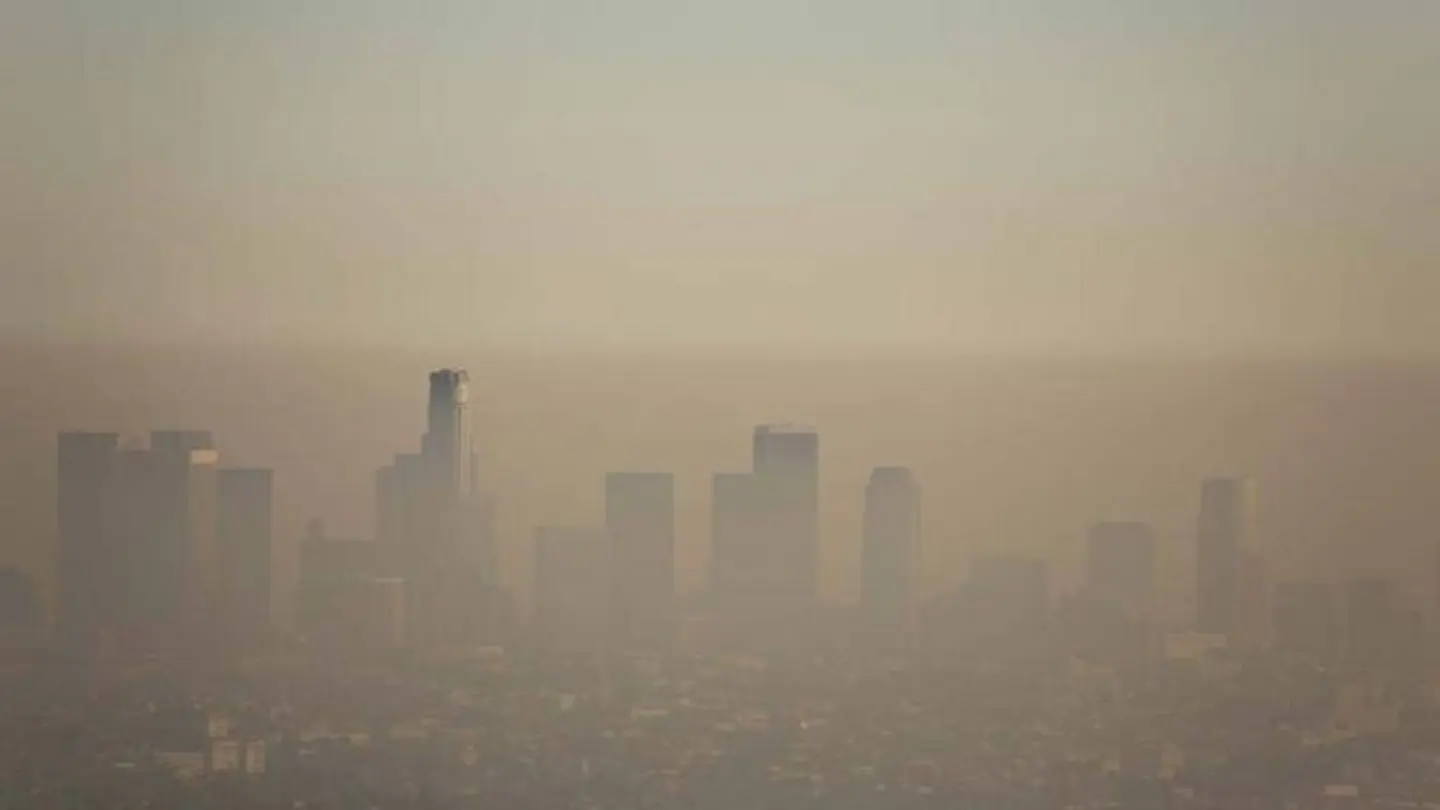
Occupational exposure to substances like asbestos, arsenic, chromium, nickel, and certain silica forms has been strongly associated with increased lung cancer risk in never-smokers. Workers in industries such as construction, mining, and manufacturing are particularly vulnerable. Furthermore, ambient air pollution, stemming from traffic, industrial emissions, and other sources, contributes significantly to the burden of lung cancer, even in those without a history of smoking. Particulate matter, specifically PM2.5, is a key component of concern, penetrating deep into the lungs and causing chronic inflammation.
The study also draws attention to the impact of indoor air pollution. In many parts of the world, particularly in lower-income countries, the burning of solid fuels – wood, charcoal, dung – for cooking and heating releases harmful carcinogens into the home environment. Prolonged exposure to this smoke is a major risk factor for lung cancer in never-smoking women and children.
Researchers are also exploring the role of genetic predisposition in conjunction with these social and environmental factors. While not everyone exposed to these hazards will develop lung cancer, certain genetic variations may increase susceptibility. This highlights the complex interplay between genes and environment in disease development.
The findings have important implications for public health policy. Strengthening regulations on workplace exposures, reducing air pollution through cleaner energy sources and transportation systems, and promoting access to cleaner cooking fuels are crucial steps in preventing lung cancer among never-smokers. Early detection programs, even for those without smoking history, may also be warranted, particularly in high-risk populations.
The European Medical Journal’s coverage underscores the need to move beyond a solely smoking-centric view of lung cancer and address the broader social and environmental factors that contribute to this devastating disease. Further research is needed to fully elucidate these complex relationships and develop targeted prevention strategies. Ultimately, reducing health inequalities is paramount in mitigating the rising incidence of lung cancer in non-smokers.
This research serves as a critical reminder that lung health is influenced by a multitude of factors, and protecting vulnerable populations requires a comprehensive and equitable approach.
Image Source: Google | Image Credit: Respective Owner