The European Respiratory Society (ERS) Congress 2025 is poised to delve into the critical relationship between lung size and respiratory health, exploring how developmental factors and environmental influences leading to smaller lung capacity can significantly shape the future of respiratory well-being. This focus comes at a time when respiratory diseases are increasingly prevalent globally, demanding innovative approaches to understanding and managing these conditions.
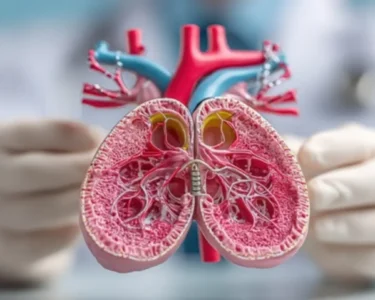
Researchers and clinicians are increasingly recognizing that lung development, influenced by genetics, prenatal factors, and early childhood exposures, plays a crucial role in determining an individual’s susceptibility to respiratory illnesses later in life. Smaller lungs, whether due to premature birth, childhood infections, or environmental pollutants, may have reduced functional reserve, making individuals more vulnerable to the effects of air pollution, allergens, and respiratory infections.
Impact of Early Lung Development
The ERS Congress 2025 aims to highlight the latest research on the impact of early lung development on long-term respiratory health. Sessions will cover topics such as the effects of maternal smoking during pregnancy on fetal lung development, the impact of childhood asthma on lung growth, and the role of air pollution in limiting lung function. Understanding these early-life influences is crucial for developing targeted interventions to promote healthy lung development and prevent respiratory diseases.
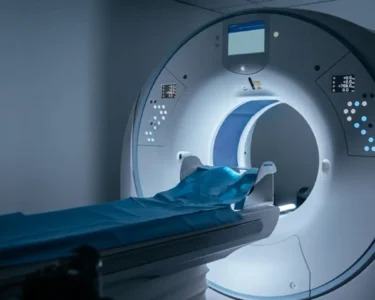
Furthermore, the congress will explore the latest advancements in diagnostic tools for assessing lung function in children and adults with smaller lungs. These tools include advanced imaging techniques, such as magnetic resonance imaging (MRI) and computed tomography (CT) scans, as well as sophisticated pulmonary function tests that can detect subtle abnormalities in lung mechanics. Early detection of lung dysfunction is essential for implementing preventive strategies and optimizing treatment outcomes.
Therapeutic Strategies and Future Directions
The congress will also address potential therapeutic strategies for mitigating the effects of smaller lungs on respiratory health. These strategies may include pharmacological interventions to promote lung growth, lifestyle modifications to reduce exposure to environmental pollutants, and rehabilitation programs to improve lung function and exercise capacity. The role of personalized medicine, tailoring treatment approaches to individual patient characteristics and genetic profiles, will also be a key focus.
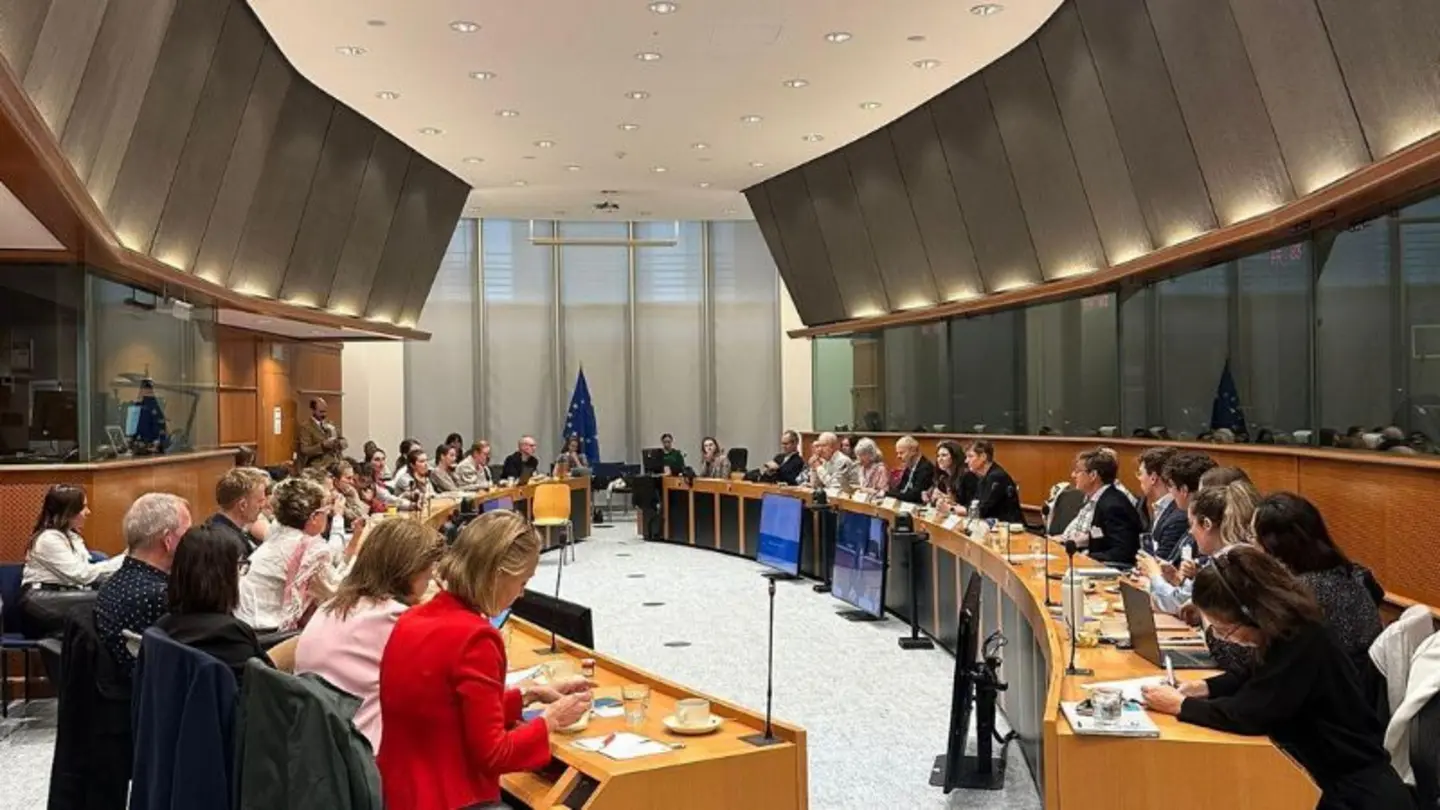
The ERS Congress 2025 is expected to bring together leading experts in respiratory medicine, pediatrics, environmental health, and genetics to share their insights and collaborate on solutions to address the challenges posed by smaller lungs. By fostering interdisciplinary collaboration and promoting the translation of research findings into clinical practice, the congress aims to improve the respiratory health and quality of life for individuals with compromised lung function. The ultimate goal is to develop comprehensive strategies that encompass prevention, early detection, and effective treatment of respiratory diseases associated with reduced lung capacity, paving the way for a healthier future for all.
Image Source: Google | Image Credit: Respective Owner