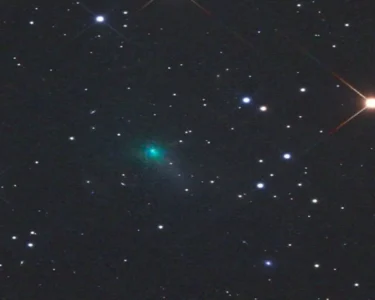
A celestial calendar awaits stargazers from December 2025 through 2026, offering a range of astronomical events. This timeline highlights key opportunities to observe planets, meteor showers, and other phenomena, enhancing the stargazing experience for both amateur and seasoned observers. The Indian Express provides a comprehensive guide to navigating these cosmic occurrences.
Planetary Alignments and Visibility
Throughout the year, various planets will grace the night sky, some more visible than others depending on their position relative to the Earth and Sun. Keep an eye out for optimal viewing windows for Mercury, Venus, Mars, Jupiter, and Saturn. These planets offer stunning visual spectacles, often appearing as bright points of light easily distinguishable from stars. Consult detailed astronomical charts to pinpoint their exact locations and rising/setting times for your specific geographic location. For instance, certain months may favor viewing Jupiter, while others might be ideal for catching a glimpse of elusive Mercury.
Meteor Showers
Meteor showers are among the most captivating sky events, offering the chance to witness numerous shooting stars streaking across the sky. The Perseids in August are typically a highlight, producing a high rate of meteors under dark sky conditions. Other notable showers include the Geminids in December, the Quadrantids in January, and the Orionids in October. To maximize your viewing experience, find a location away from city lights and allow your eyes to adjust to the darkness for at least 20-30 minutes. Check weather forecasts to ensure clear skies.
Lunar Occultations and Eclipses
Lunar occultations occur when the Moon passes in front of a star or planet, briefly obscuring it from view. These events can be particularly interesting to observe with binoculars or a telescope. Solar and lunar eclipses also stand out as major astronomical events. While total solar eclipses are rare and require specific viewing locations, partial lunar eclipses are more frequent and visible from a wider area. Accurate timing and location data are crucial for observing these events successfully.
Tips for Stargazing
To make the most of your stargazing sessions, consider these tips. Use a stargazing app or planisphere to identify constellations and celestial objects. Dress warmly, as nights can get cold, even in summer. Bring a comfortable chair or blanket to relax while observing. Red-light flashlights are preferable to white lights, as they preserve your night vision. Binoculars can enhance your viewing experience, allowing you to see fainter objects. Most importantly, be patient and enjoy the beauty of the night sky.
The 2025-2026 astronomical calendar is filled with opportunities to connect with the cosmos. By planning ahead and utilizing available resources, stargazers of all levels can experience the wonder and awe of the universe. The Indian Express provides updates and further details as these events approach, ensuring you don’t miss out on these celestial displays.
Image Source: Google | Image Credit: Respective Owner