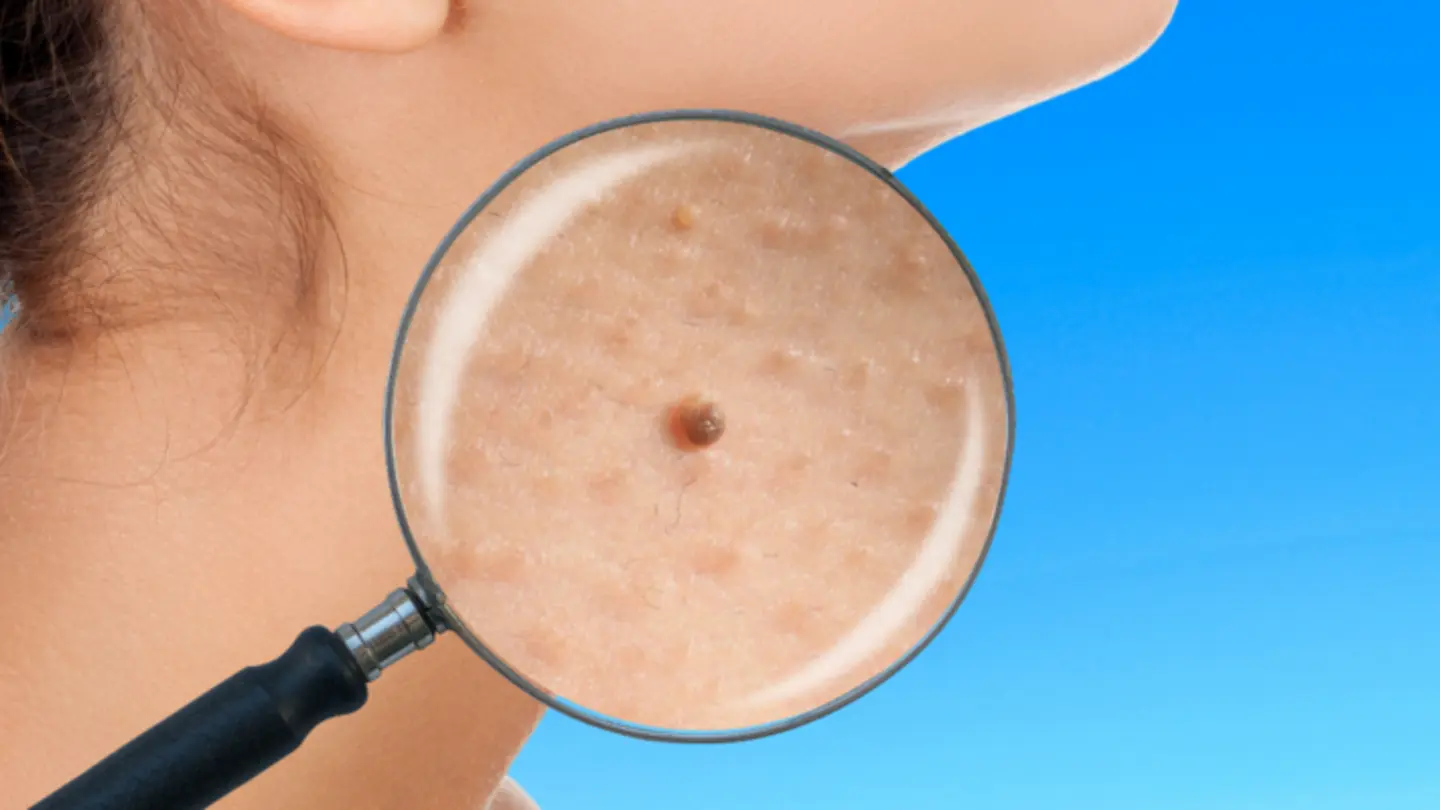
Skin tags, medically known as acrochordons, are small, flesh-colored or brownish growths protruding from the skin surface. They are benign and typically painless, but a leading neurosurgeon with over three decades of clinical experience cautions that their appearance might sometimes indicate serious underlying conditions beyond cosmetic concerns. While commonly occurring in friction-prone areas like the neck, armpits, eyelids, and groin, these growths are often ignored until they multiply or become bothersome. However, a surge in numbers or unusual characteristics should not be dismissed lightly, as they could reflect systemic health imbalances or dermatological red flags.
The veteran neurosurgeon, renowned for expertise in brain and spinal surgery, emphasized skin tags’ broader implications during a recent public health discussion. Although neurosurgery remains his primary focus, he highlighted how skin abnormalities often mirror internal physiological states. These growths frequently appear in patients with metabolic disorders, suggesting a correlation between dermatological changes and conditions like diabetes or hormonal imbalances that require medical attention.
Skin tags are particularly associated with diabetes mellitus, where insulin resistance promotes skin cell proliferation. They also correlate with acromegaly, a growth hormone disorder often stemming from pituitary tumors—conditions directly relevant to neurosurgical practice. Additionally, prevalence increases in individuals with polycystic ovary syndrome (PCOS), obesity, and certain infections like human papillomavirus (HPV). In rare cases, sudden outbreaks may signal malignancies or genetic syndromes necessitating thorough evaluation, including dermatological and endocrinological assessments.
Key warning signs demanding professional consultation include rapid proliferation, color changes (turning red or black), bleeding, or inflammation. Unusual locations such as the groin or under breasts might indicate specific infections or hormonal disruptions. Genetic predispositions further warrant vigilance, as family history can influence both skin tag formation and associated systemic diseases.
Prevention focuses on managing modifiable risk factors: maintaining healthy weight, controlling blood sugar, and addressing hormonal imbalances. The neurosurgeon strongly advises against self-removal via cutting or burning due to infection, scarring, and bleeding risks. Instead, professional methods like cryotherapy, electrocautery, or surgical excision are recommended. Regular dermatological check-ups remain crucial for those with multiple growths or concurrent skin issues, ensuring early detection of potential disorders.
While typically harmless, skin tags serve as vital health indicators requiring reassessment when atypical. The seasoned surgeon’s perspective underscores skin health’s integral role in overall well-being, urging public awareness and timely medical consultation. Subtle changes often precede serious conditions, making vigilance and professional guidance essential for preventive care and improved health outcomes across diverse populations.
Image Source: Google | Image Credit: Respective Owner