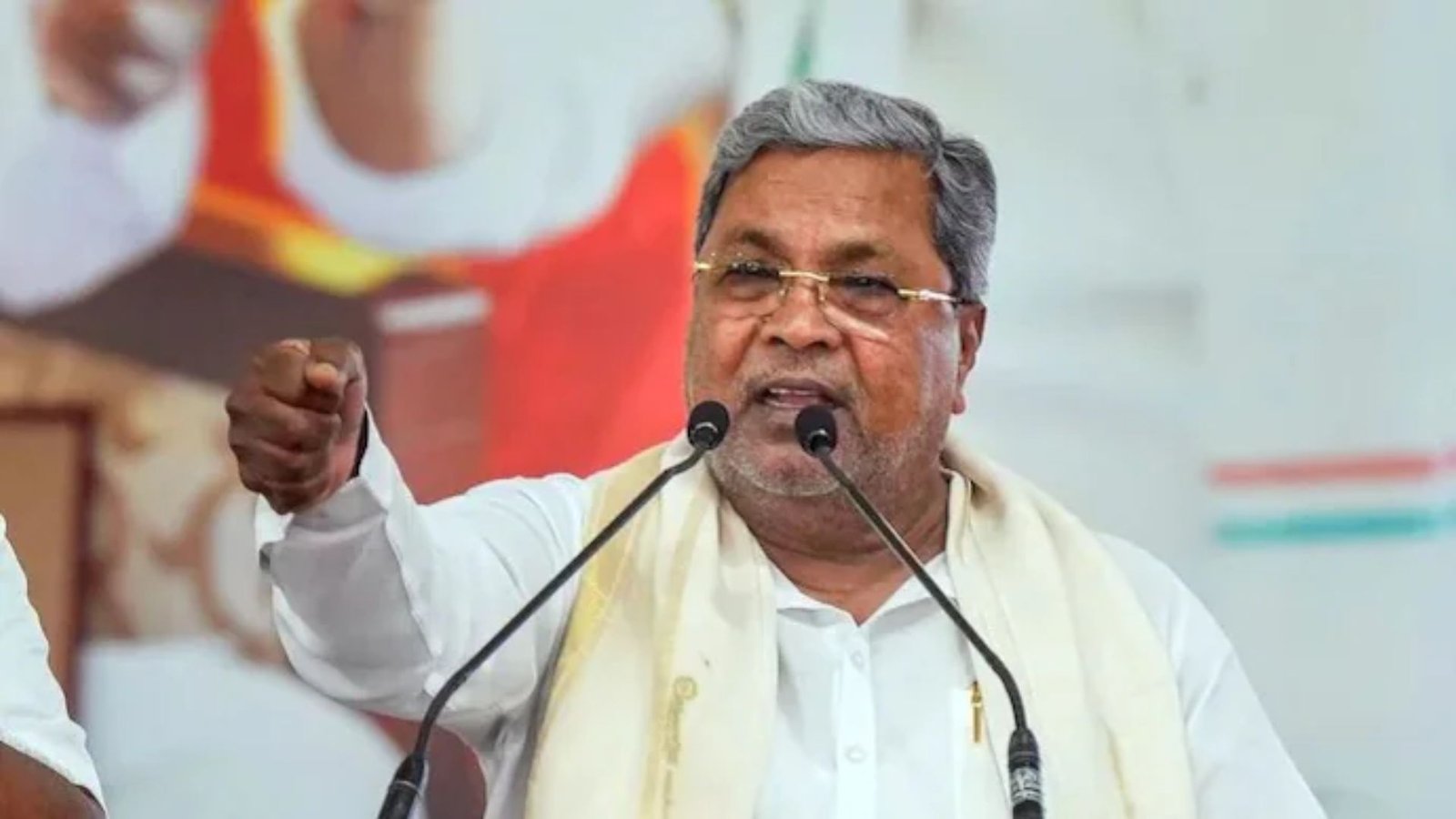
Karnataka Chief Minister Siddaramaiah has sparked controversy with his recent remarks cautioning against the influence of the Rashtriya Swayamsevak Sangh (RSS) and advising people to avoid the company of ‘sanatanis.’ Addressing a public gathering, Siddaramaiah claimed that the RSS was attempting to sow discord within society and urged vigilance against its divisive ideology. His comments have drawn sharp reactions from various political factions and religious organizations, igniting a heated debate about the role of the RSS in Indian society and the interpretation of ‘sanatani’ traditions.
Siddaramaiah’s Concerns
Siddaramaiah elaborated on his concerns, stating that the RSS promotes a narrow, exclusionary interpretation of Hinduism that is at odds with the pluralistic and inclusive ethos of India. He alleged that the organization’s activities are aimed at creating divisions along religious and caste lines, thereby undermining social harmony and national unity. The Chief Minister emphasized the importance of upholding secular values and safeguarding the rights of all citizens, regardless of their religious beliefs.
“It is imperative that we remain vigilant against forces that seek to divide us,” Siddaramaiah stated. “The RSS’s agenda is to create a Hindu Rashtra, which is antithetical to the principles of our Constitution. We must resist their attempts to impose their ideology on the rest of society.” He further added that ‘sanatanis,’ in this context, refer to those who rigidly adhere to orthodox and discriminatory practices, perpetuating social inequalities and injustice.
Political Reactions
The BJP strongly condemned Siddaramaiah’s remarks, accusing him of indulging in divisive politics and pandering to minority communities for electoral gains. BJP leaders asserted that the RSS is a patriotic organization committed to the welfare of the nation and that Siddaramaiah’s statements were a deliberate attempt to malign its image. They demanded an apology from the Chief Minister and accused him of disrespecting Hindu traditions and sentiments.
Other political parties have also weighed in on the controversy, with some supporting Siddaramaiah’s concerns about the RSS’s influence and others calling for a more nuanced understanding of the organization’s role in society. The Janata Dal (Secular) urged both sides to exercise restraint and engage in constructive dialogue to address the underlying issues. The Congress party, while generally supportive of Siddaramaiah’s stance, has also cautioned against broad generalizations and emphasized the importance of respecting diverse viewpoints.
Social and Religious Implications
The controversy surrounding Siddaramaiah’s remarks has ignited a wider debate about the meaning of ‘sanatani’ traditions and their relevance in contemporary India. Some argue that ‘sanatana dharma’ represents a timeless and universal set of principles that promote harmony, compassion, and spiritual growth. Others contend that certain interpretations of ‘sanatana dharma’ have been used to justify social inequalities and discriminatory practices, such as caste-based discrimination and gender inequality. The debate underscores the complex and contested nature of religious identity and the challenges of reconciling tradition with modernity in a diverse and rapidly changing society.
Image Source: Google | Image Credit: Respective Owner