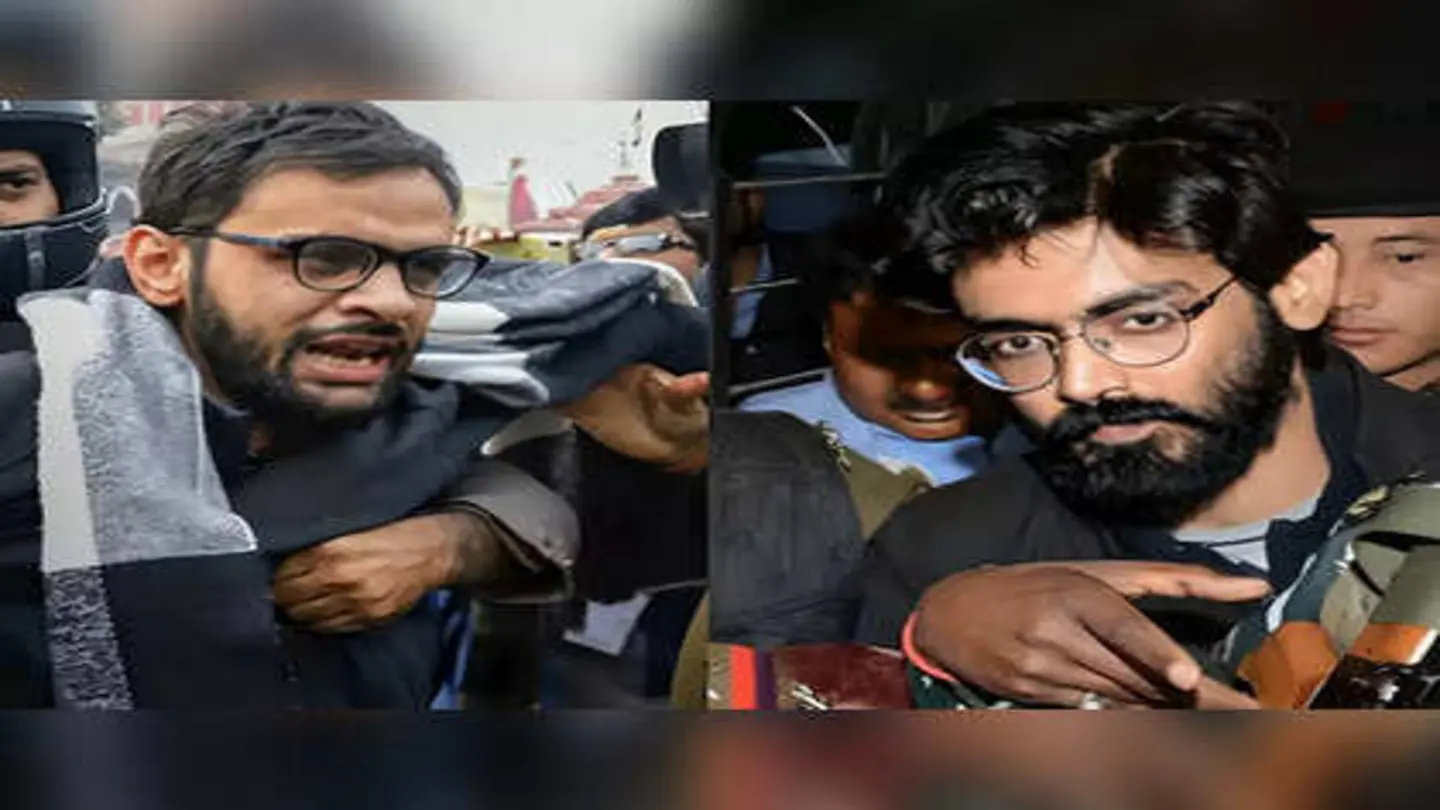
The Supreme Court is scheduled to hear the bail pleas of Sharjeel Imam, Umar Khalid, and other individuals implicated in the 2020 Delhi riots case on September 12. The case pertains to the widespread violence that erupted in the Indian capital, resulting in significant loss of life and property.
The accused individuals, including Imam and Khalid, have been under arrest for a considerable period, with their previous bail applications having been rejected by lower courts. They face serious charges under various sections of the Indian Penal Code and the Unlawful Activities (Prevention) Act (UAPA). The UAPA is a stringent law that allows for prolonged detention and makes securing bail significantly more challenging.
Legal Proceedings and Arguments
The upcoming hearing before the Supreme Court is crucial, as it represents a significant opportunity for the accused to seek relief. Their legal teams are expected to argue that their continued detention is unwarranted and that there is insufficient evidence to link them directly to the violence that occurred during the riots. They may also raise concerns about the fairness of the trial and the prolonged period of incarceration without a conclusive verdict.
The prosecution, on the other hand, is likely to maintain that there is substantial evidence to support the charges against the accused and that their release on bail could pose a threat to public order. They may also argue that the gravity of the offenses warrants continued detention, given the severity of the violence and its impact on the community.
Background of the Case
The 2020 Delhi riots were triggered by protests against the Citizenship Amendment Act (CAA), a controversial law that grants citizenship to religious minorities from neighboring countries but excludes Muslims. The protests escalated into violent clashes between pro-CAA and anti-CAA groups, resulting in widespread arson, vandalism, and loss of life. The riots exposed deep-seated social and religious divisions within Indian society and raised serious questions about the government’s handling of the situation.
Implications of the Supreme Court’s Decision
The Supreme Court’s decision on the bail pleas of Sharjeel Imam, Umar Khalid, and others will have significant implications for the case and for the broader debate on freedom of expression and the right to dissent in India. A decision to grant bail could be seen as a vindication of the accused’s rights and a check on the government’s power to detain individuals without trial. Conversely, a decision to deny bail could reinforce concerns about the erosion of civil liberties and the increasing use of stringent laws to silence dissent.
The case has attracted considerable attention from human rights organizations and civil society groups, who have raised concerns about the fairness of the investigation and the treatment of the accused. The Supreme Court’s intervention in the matter underscores the importance of the judiciary in safeguarding fundamental rights and ensuring that due process is followed in all cases.
Image Source: Google | Image Credit: Respective Owner