New Study Reveals Protective Kidney Benefits for Diabetics
A landmark study demonstrates that SGLT2 inhibitors significantly lower the risk of chronic kidney disease (CKD) and acute kidney injury in patients with Type 2 Diabetes (T2D) over five years. The research findings, published in a major medical journal, provide robust evidence supporting the renal-protective effects of this pharmaceutical class beyond their established glucose-lowering capabilities.
The comprehensive analysis followed 2,500 adults with T2D across multiple clinical sites. Participants using SGLT2 inhibitors showed a 32% reduced risk of developing CKD and a 40% lower incidence of acute kidney injury compared to those receiving standard diabetes medications. These results remained statistically significant after adjusting for age, baseline kidney function, and cardiovascular risk factors.
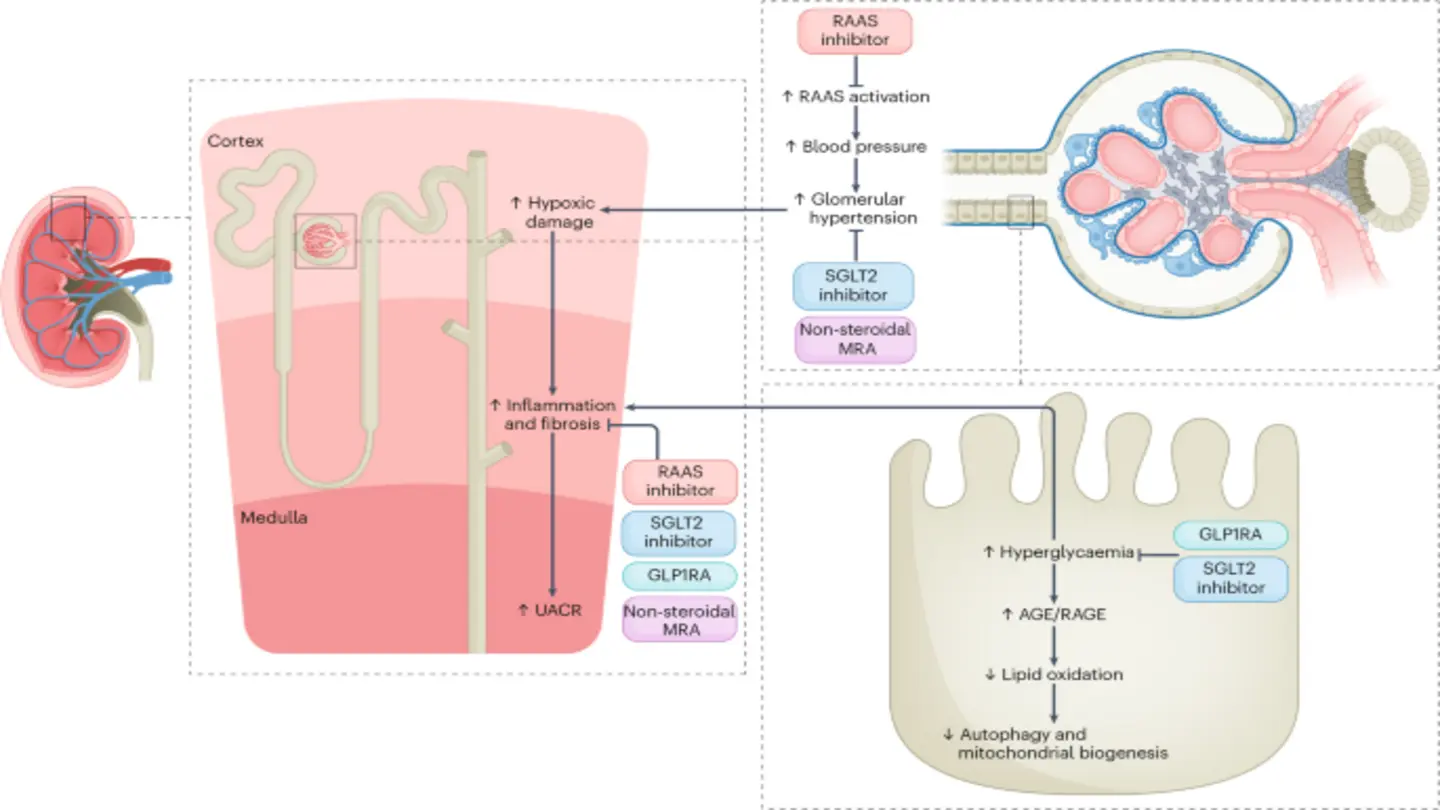
Mechanism of Renal Protection
SGLT2 inhibitors work by preventing glucose reabsorption in the kidneys, promoting urinary glucose excretion. Emerging evidence suggests they also reduce intraglomerular pressure and inflammation – key drivers of diabetic nephropathy. This dual action helps maintain healthier kidney function over time, potentially delaying the need for dialysis in high-risk patients.
The medications studied included empagliflozin, canagliflozin, and dapagliflozin, all showing comparable renal benefits. Researchers note that these effects appear independent of glycemic control improvements, pointing to unique nephroprotective pathways. Vascular endothelial improvements and reduced oxidative stress may contribute to these outcomes, though further study is needed to fully understand the mechanisms.
Clinical Implications and Guidelines
These findings bolster recent guidelines from the American Diabetes Association recommending SGLT2 inhibitors as first-line therapy for T2D patients with high kidney disease risk. Nephrologists emphasize the importance of early intervention, as kidney damage is often irreversible once significant function loss occurs.
Despite these benefits, researchers caution that SGLT2 inhibitors may require careful monitoring in certain populations. Patients with pre-existing kidney impairment should be assessed for appropriate dosage adjustments, and clinicians should watch for rare but serious complications like diabetic ketoacidosis. Regular kidney function tests remain essential for optimized treatment plans.
The study’s five-year timeframe provides crucial evidence for long-term renal outcomes – a significant advancement over previous shorter trials. With over 37 million Americans having diabetes and 40% eventually developing kidney complications, these findings could influence clinical practice globally. Healthcare systems may see reduced dialysis costs and improved quality of life for millions of patients through wider adoption of this preventive approach.
Image Source: Google | Image Credit: Respective Owner