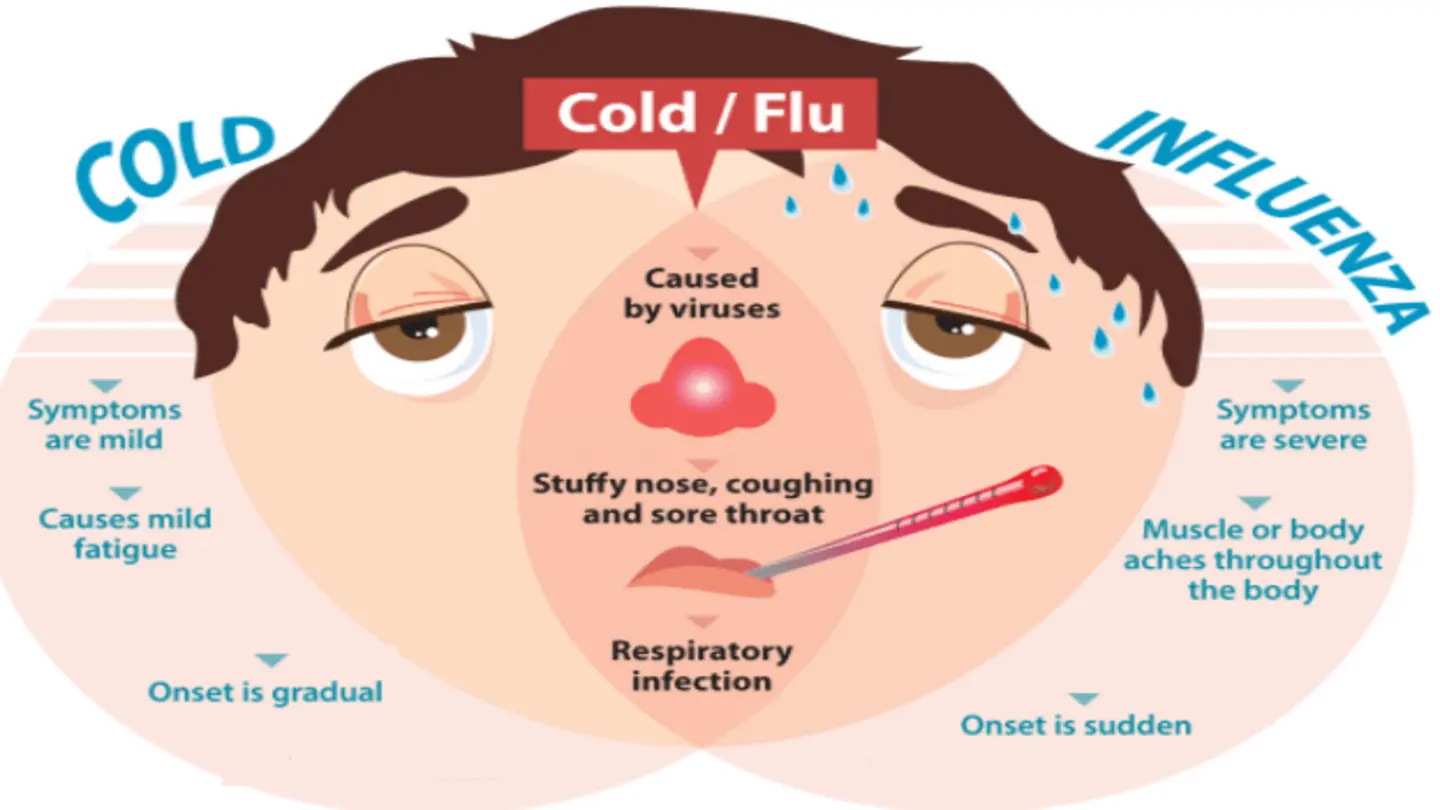
Health officials are bracing for what could be the worst influenza season in years, with cases already surging across the country and a particularly vulnerable period anticipated during the upcoming holidays. Doctors are reporting a significant increase in flu infections, exceeding levels seen in recent years, and are urging the public to take proactive steps to protect themselves and their families.
The current strain circulating is proving to be more aggressive, leading to more severe symptoms and a higher rate of hospitalizations, especially among young children, the elderly, and individuals with underlying health conditions. This year’s dominant influenza A strains, including H3N2, are known for causing more complications. Experts believe a combination of factors is contributing to the severity of the season, including lower immunity levels due to reduced exposure to the virus during the COVID-19 pandemic and a potential mismatch between the current flu vaccine and the circulating strains.
“We are seeing a much earlier and more rapid increase in flu cases than we have in previous seasons,” stated Dr. Ishu Kumar, a leading infectious disease specialist. “This is a clear indication that we are in for a tough winter. The best defense against the flu is vaccination, but it’s not a perfect shield.”
While the flu vaccine is designed to protect against the most prevalent strains, its effectiveness can vary. However, even if the vaccine doesn’t completely prevent infection, it can significantly reduce the severity of symptoms and the risk of hospitalization. Health authorities recommend that everyone six months and older receive an annual flu shot.
Beyond vaccination, doctors emphasize the importance of practicing good hygiene. Frequent handwashing with soap and water, covering coughs and sneezes with a tissue or elbow, and avoiding close contact with sick individuals are crucial steps in preventing the spread of the virus. Disinfecting frequently touched surfaces can also help reduce transmission.
Holiday Surge Concerns
The holiday season poses a particularly high risk for flu transmission due to increased travel and gatherings. People are more likely to be in close proximity to others, creating ideal conditions for the virus to spread. Doctors advise individuals to consider wearing masks in crowded indoor settings, especially if they are at high risk for complications.
“If you are feeling unwell, even with mild symptoms, please stay home to avoid infecting others,” urged Dr. Kumar. “It’s a small sacrifice that can make a big difference in protecting our community.” Early diagnosis and treatment with antiviral medications can also help lessen the severity and duration of the illness, particularly for those at high risk.
Healthcare systems are preparing for a potential influx of patients, but officials warn that hospitals could become overwhelmed if the flu surge is significant. Individuals are encouraged to consult their healthcare provider if they experience flu-like symptoms, such as fever, cough, sore throat, body aches, and fatigue. Staying informed about local flu activity and following public health recommendations are essential for navigating this challenging flu season.
The Centers for Disease Control and Prevention (CDC) is closely monitoring the situation and providing updated guidance to healthcare professionals and the public. They emphasize that it’s not too late to get vaccinated and that continued vigilance is key to minimizing the impact of the flu this winter.
Image Source: Google | Image Credit: Respective Owner