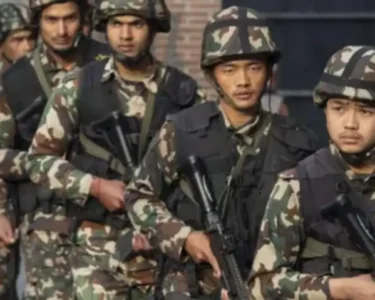
In a significant counter-terrorism operation, Pakistani security forces have successfully neutralized 13 terrorists in two separate incidents within Khyber Pakhtunkhwa (KP) province, according to a statement released by the Inter-Services Public Relations (ISPR) on Thursday. The operations, conducted by disciplined military units, underscore the ongoing efforts to dismantle militant networks operating within the region.
The first operation took place in the early hours near the restive districts of Darband and Bajaur, where intelligence reports indicated the presence of a terrorist cell planning coordinated attacks on civilian and military installations. Security forces, acting on precise intelligence, surrounded the location and engaged the militants in a fierce firefight that lasted over three hours. During the exchange, eleven terrorists were eliminated, and heavy weaponry including rocket launchers and automatic rifles were seized from the scene.
Separately, a second operation was launched in the Kohat district, where a militant group had established a temporary hideout. Here, two terrorists were neutralized during a swift raid by Special Forces units. The operation was notable for its precision, with minimal collateral damage, reflecting improved coordination between intelligence and operational branches of the military.
Khyber Pakhtunkhwa, a province long plagued by insurgency and cross-border militant activity, has seen a surge in such operations over the past year. Security analysts attribute this to increased political will and improved sharing of intelligence zwischen federal agencies. The province’s strategic importance, bordering Afghanistan, makes it a frequent target for terrorist groups seeking to exploit regional instability.
Major General Ahmed Malik, spokesperson for ISPR, emphasized during a press briefing that these operations are part of a broader strategy to “root out terrorism from its safe havens and disrupt its logistical chains.” He further stated that the military remains committed to protecting civilian lives while pursuing militants responsible for attacks on infrastructure and public services.
The successful conclusion of these missions has been welcomed by local authorities and civil society groups, who have long demanded increased security measures. “Every life lost to terrorism is a tragedy, but these operations demonstrate that the state is taking decisive action,” said MPA Fauzia Saeed, representing the KP Provincial Assembly. However, critics argue that sustained economic development and address of grievances in affected regions are equally crucial to long-term stability.
Human rights organizations have called for transparency in future operations, urging the military to provide detailed After-Action Reports to ensure compliance with international humanitarian law. They highlight concerns about potential civilian casualties and the need for independent monitoring of counter-terrorism activities.
The latest incidents reflect broader regional challenges, as Pakistan continues to navigate its complex relationship with neighboring Afghanistan, where militant groups often operate with impunity. Analysts suggest that improved bilateral cooperation and targeted diplomatic efforts could further weaken the infrastructure supporting cross-border terrorism.
In response to the successful operations, the Pakistani government has announced additional funding for local law enforcement and community outreach programs aimed at reducing susceptibility to radicalization. These initiatives include education reforms, job creation schemes, and enhanced digital literacy campaigns to counter extremist propaganda online.
The military high command has also initiated a review of tactical protocols to incorporate emerging technologies such as drones and artificial intelligence for surveillance and target identification. Such innovations are expected to increase the efficiency of future operations while minimizing risks to personnel.
Despite these advances, challenges persist. Porous borders, limited resources in remote areas, and the adaptive tactics of terrorist networks continue to pose significant obstacles. Security experts therefore emphasize the need for continuous adaptation and international collaboration to address this evolving threat landscape.
The operations in KP underscore a critical juncture in Pakistan’s ongoing battle against domestic extremism. While military successes offer tangible victories, the path to enduring peace requires a multifaceted approach combining hard power, diplomatic engagement, and comprehensive socio-economic development.
Image Source: Google | Image Credit: Respective Owner