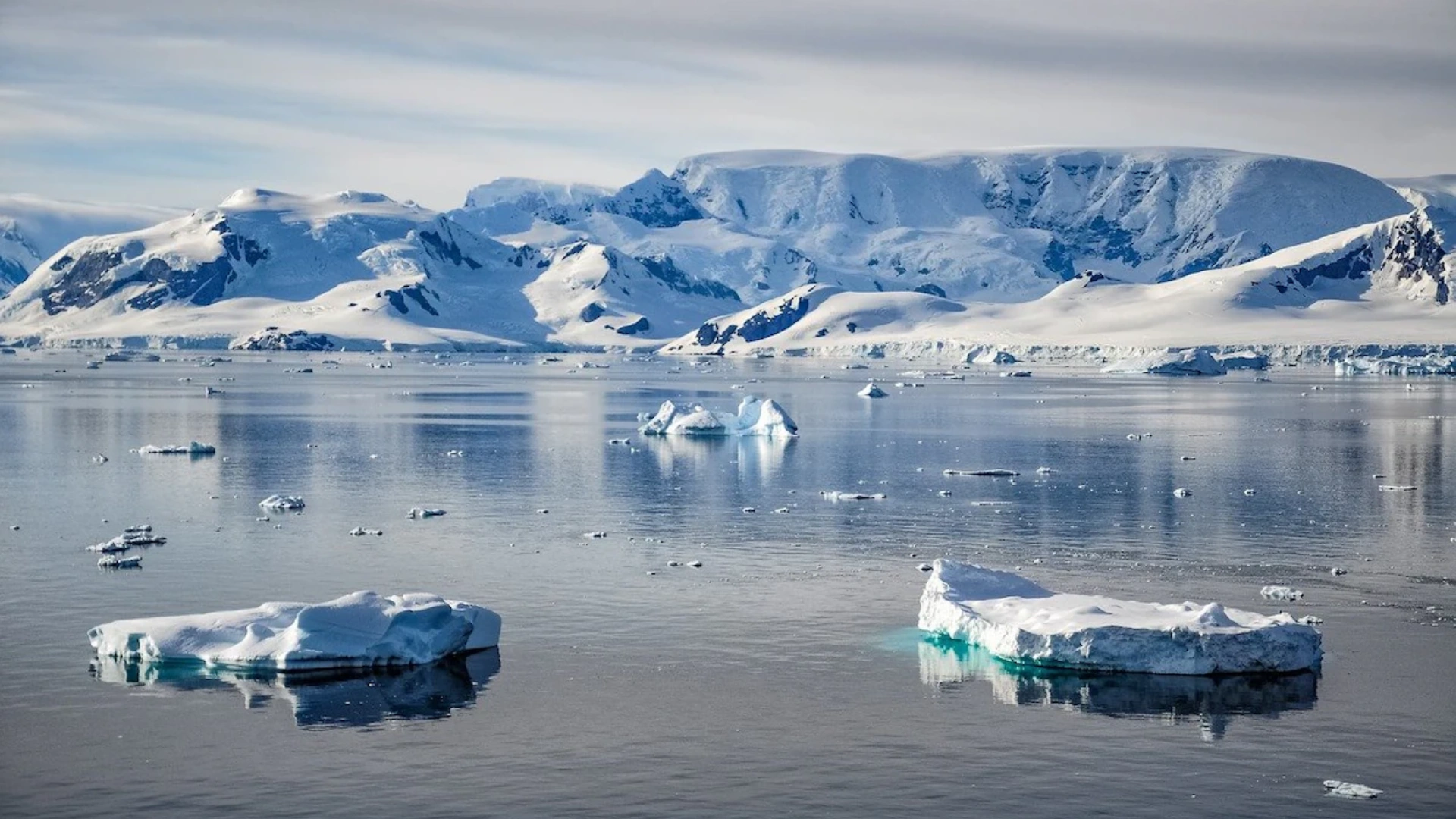
Antarctica, once thought of as a remote and unchanging region, is now undergoing some of the most alarming and rapid shifts in its environment. New research published today in Nature reveals that Antarctica’s sea ice is shrinking, its glaciers are melting faster than ever, and its vital ocean currents are showing signs of slowing down. These changes are not just local—they have global implications, affecting everything from rising sea levels to climate regulation.
What Are Abrupt Changes?
Scientists define “abrupt changes” as climatic or environmental shifts that happen much faster than expected. These changes are particularly concerning because once triggered, they can be difficult or even impossible to reverse, causing cascading effects across various systems.
For years, Antarctica’s response to human-induced climate change was much less dramatic compared to the Arctic. However, over the past decade, sudden and unexpected changes have been observed.
Shrinking Sea Ice: A Major Trigger
One of the most noticeable changes in Antarctica is the dramatic reduction in sea ice since 2014. Sea ice is shrinking at twice the rate of the Arctic sea ice, and this trend is unprecedented. The less sea ice there is, the more heat the oceans absorb, accelerating warming. This loss of sea ice is also exposing Antarctica’s ice shelves to waves, making them more vulnerable to melting.
This has severe consequences for wildlife, particularly species like emperor penguins, who rely on sea ice for breeding and habitat. The reduction in sea ice also disrupts the balance of natural systems in Antarctica.
Slowing Ocean Currents: A Ripple Effect
The melting of ice has slowed the Antarctic Overturning Circulation, a deep ocean current system that plays a key role in regulating Earth’s climate. This circulation helps absorb carbon dioxide and distribute heat across the globe. A slowdown in these currents could reduce the ocean’s ability to absorb oxygen and nutrients, negatively impacting marine ecosystems.
Interestingly, this slowdown mirrors a similar decline observed in the Atlantic Meridional Overturning Circulation, which regulates climate in the northern hemisphere. If the Antarctic currents continue to weaken at the rate being observed, the impacts on global climate systems could be far-reaching.
Melting Giants: Ice Sheets and Sea Level Rise
The West Antarctic Ice Sheet, along with parts of East Antarctica, is losing ice at an alarming rate, contributing to rising sea levels. Ice loss has increased sixfold since the 1990s, and experts warn that the West Antarctic Ice Sheet alone has enough ice to raise global sea levels by more than five meters. The real concern is that these ice sheets are approaching a tipping point—an irreversible collapse that could occur even without significant additional warming, though this may take centuries or millennia.
This threat looms large for coastal communities worldwide, as at least 750 million people live in areas that are vulnerable to sea level rise. The uncertainty of how quickly these ice sheets will collapse is one of the major challenges facing future climate projections.
Wildlife and Ecosystems in Peril
The biological systems of Antarctica are also being reshaped by these abrupt changes. Warming temperatures, unreliable ice conditions, and human activities are all having a profound impact on both marine and terrestrial ecosystems. Species like emperor penguins and leopard seals face significant threats due to the loss of habitat and food sources.
While efforts to protect these ecosystems through the Antarctic Treaty are important, they may not be enough. To safeguard the future of these species, urgent global action is needed to reduce greenhouse gas emissions.
What Does the Future Hold?
Antarctica, once a symbol of isolation and permanence, is now changing at a pace faster than scientists had anticipated. The driving force behind these changes is the excess heat trapped by years of unchecked greenhouse gas emissions. To prevent further abrupt changes, scientists emphasize the need for rapid emissions reductions, aiming to keep global warming as close to 1.5°C as possible.
Even if this target is met, the changes already set in motion will continue. Governments, businesses, and coastal communities must prepare for a future where abrupt changes in Antarctica are inevitable. The choices made today will determine whether we face worsening impacts and irreversible changes or if we can manage these changes with resilience.
Image Source: Getty Images | Image Credit: Respective Owner