The Shanghai Cooperation Organisation (SCO) has strongly condemned the April 22 terrorist attack in Pahalgam, Jammu & Kashmir, with member states calling for the perpetrators and sponsors of such attacks to be brought to justice.
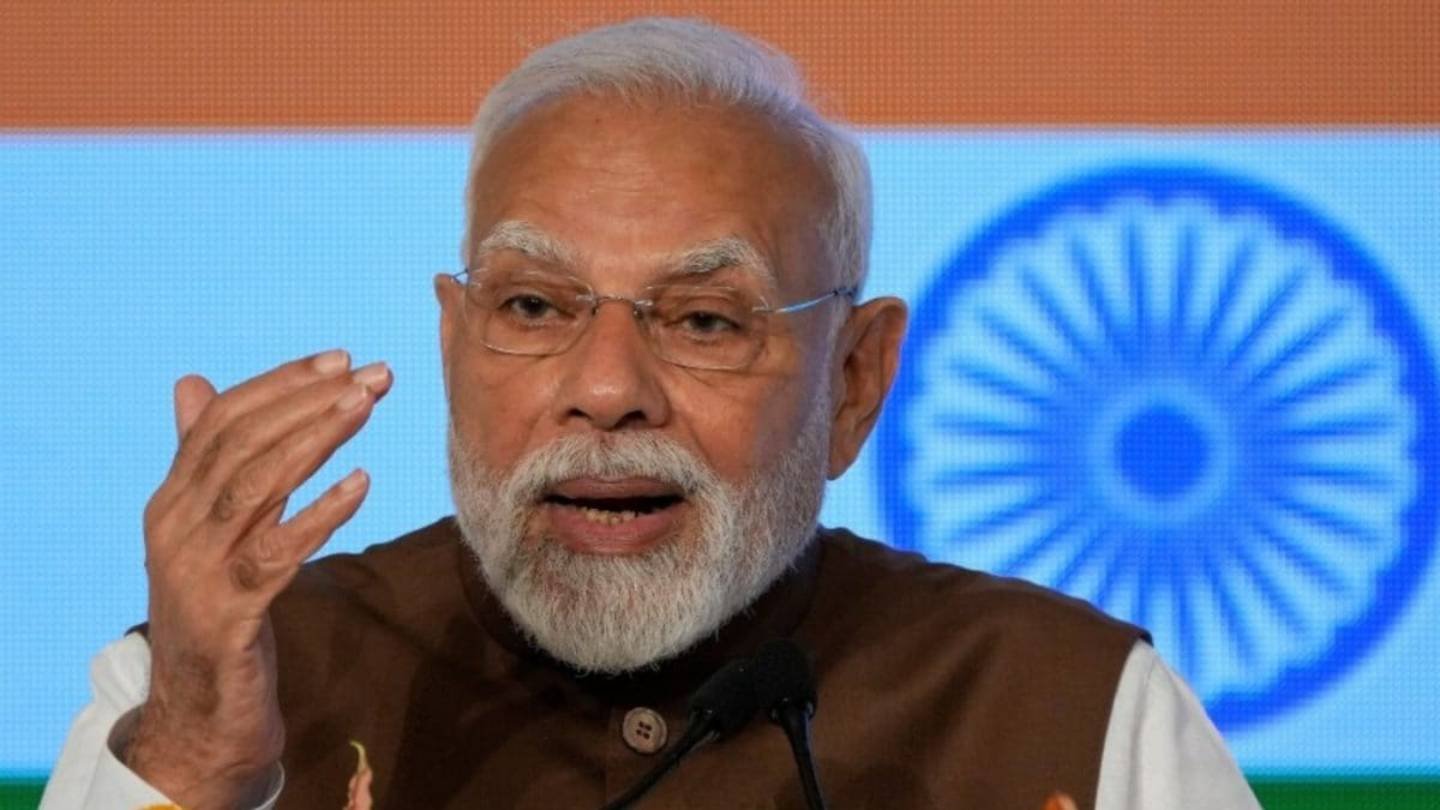
At the summit, Prime Minister Narendra Modi welcomed the declaration while cautioning members against applying “double standards” in the fight against terrorism. Without naming Pakistan, he questioned whether open support for terrorism by “certain states” could ever be acceptable to the grouping.
“We have to say clearly, and in one voice, that no double standards on terrorism will be acceptable. We must oppose terrorism together, in every colour and form. This is our responsibility towards humanity,” Modi said.
Pakistan link and compromise text
While the Pahalgam attack was included in the Tianjin Declaration, the statement also condemned attacks in Pakistan, including the Jaffar Express bombing in March and an attack in Khuzdar in May, as part of a compromise. Pakistan has accused India of involvement in the Jaffar Express incident, a charge New Delhi has denied.
Earlier, Defence Minister Rajnath Singh had refused to endorse an SCO statement that left out the Pahalgam attack.
India’s stand on terrorism
Modi said terrorism was not only a threat to individual nations but to all of humanity. “For four decades, India has borne the grave scars of terrorism. Countless mothers have lost their children, and innumerable children have been left orphaned. Recently, we witnessed the most heinous face of terrorism in Pahalgam,” he said, thanking member states that stood with India.
He urged stronger cooperation under SCO’s counter-terror framework to tackle radicalisation, extremism and terror financing.
Connectivity and sovereignty
Reiterating India’s objection to China’s Belt and Road Initiative (BRI) because of the China-Pakistan Economic Corridor running through Pakistan-occupied Kashmir, Modi said: “Connectivity that bypasses sovereignty ultimately loses both trust and meaning.”
He highlighted India’s alternative projects, including the Chabahar Port and the International North-South Transport Corridor, to enhance links with Central Asia and Afghanistan.
Push for UN reform and cooperation
The Prime Minister also called for reforms of global institutions, stressing that outdated frameworks could not meet the aspirations of the Global South. “The colourful dreams of the new generation cannot be displayed on a black-and-white screen. It is time to change the screen,” he said.
He identified SCO’s three pillars as Security, Connectivity, and Opportunity. Under opportunity, he backed deeper cooperation in areas such as start-ups, digital inclusion, traditional medicine, and innovation. To strengthen cultural ties, he proposed a new “Civilizational Dialogue Forum” under the SCO to showcase ancient traditions, art, and literature.
Image Source: Google | Image Credit: Respective Owner