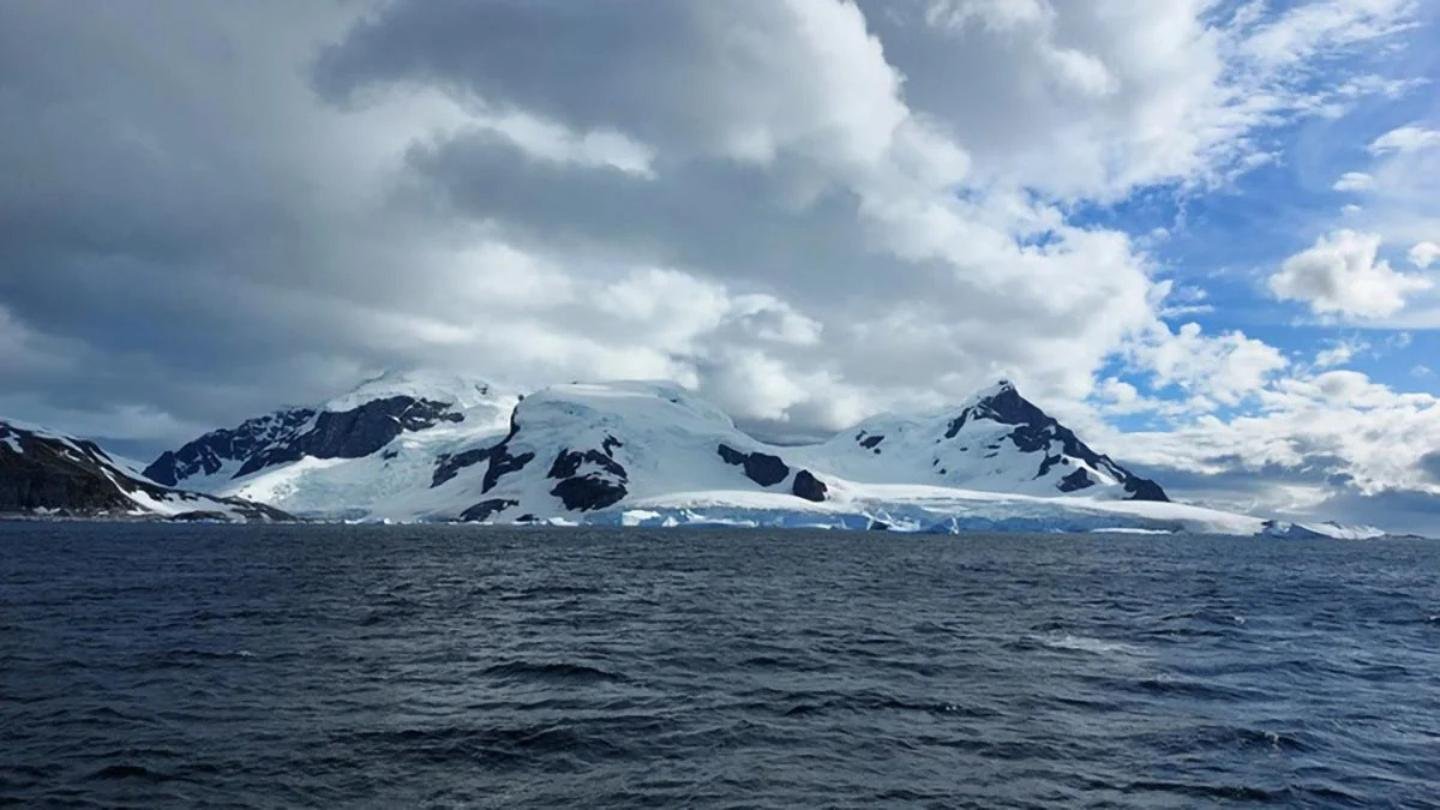
Researchers have identified a vast network of 332 massive submarine canyons off the coast of Antarctica — five times more than previously known. Some of these underwater formations plunge more than 4,000 metres deep, shaped over millennia by glaciers and powerful sediment flows.
The findings, published in Marine Geology, are based on new high-resolution bathymetric maps created by scientists from University College Cork (Ireland) and the University of Barcelona (Spain).
Why these canyons matter
These deep channels are more than geological curiosities. They:
- Help transport nutrients across the ocean.
- Influence global ocean circulation and ice shelf stability.
- Provide unique habitats rich in biodiversity.
David Amblas, from the University of Barcelona’s Marine Geosciences group, explained that the most striking formations are in East Antarctica, featuring complex, branching systems that start near the continental shelf and merge into deep-ocean channels.
East vs West Antarctica
- East Antarctica: Long, branching canyons with U-shaped profiles.
- West Antarctica: Shorter, steeper, V-shaped canyons.
A largely unmapped world
Currently, less than one-third of the world’s seafloor has been mapped in high detail. Scientists believe tens of thousands more submarine canyons may exist worldwide, and further mapping will be crucial for improving climate models and understanding how these features impact ocean and climate systems.
Image Source: Google | Image Credit: Respective Owner