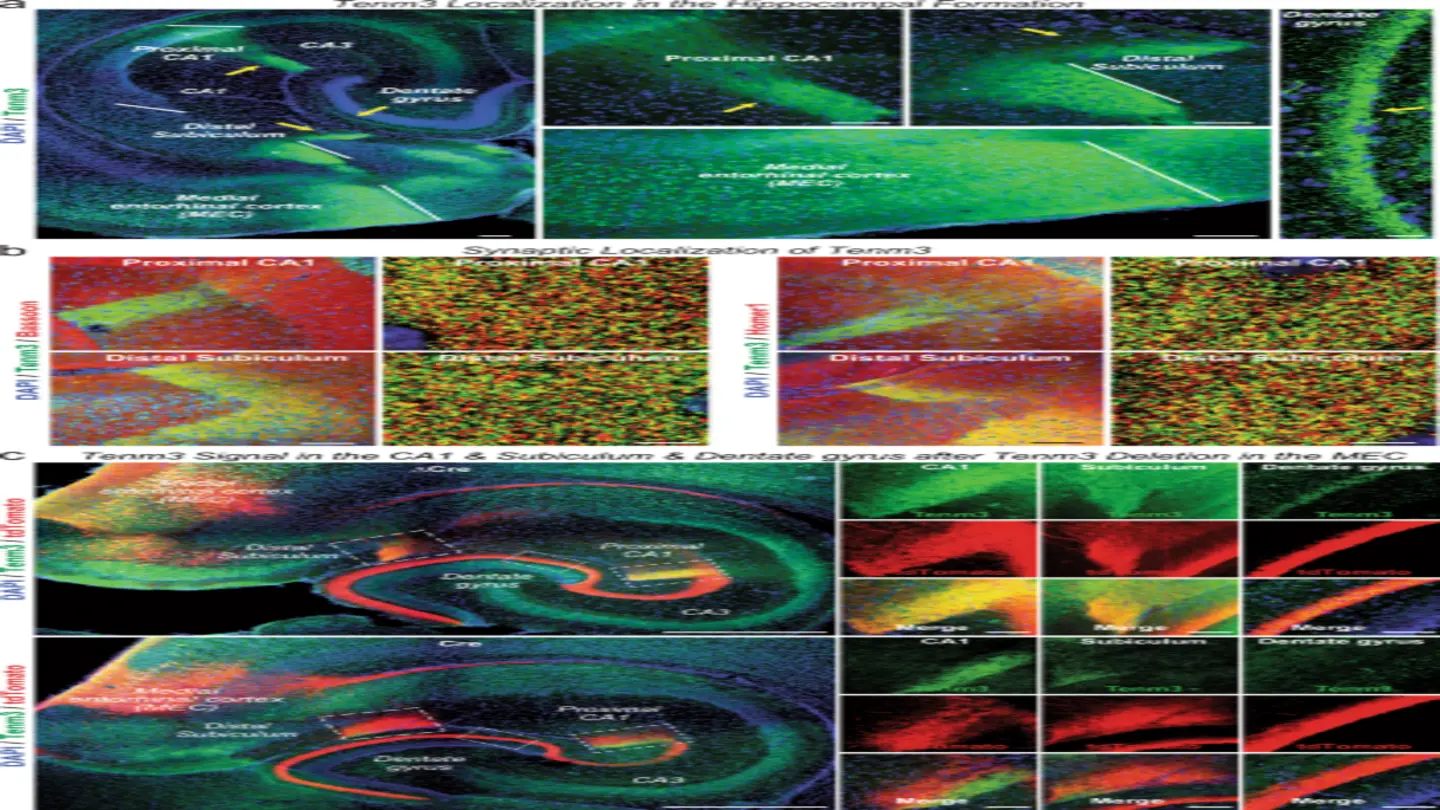
In a groundbreaking neurobiology discovery that could revolutionize treatments for age-related cognitive decline and neurodegenerative conditions, an international team of scientists announces the identification of the protein, Tenm3. This protein acts as a key biological shield, protecting the aging brain from structural and mitochondrial damage. Published in Cell Reports, this landmark research provides compelling evidence of a naturally occurring neural mechanism that could unlock new therapeutic strategies against dementia, Alzheimer’s and other age-induced brain disorders.
The study reveals that Tenm3, expressed in the brain’s hippocampal neurons, plays a critical role in maintaining dendritic spines, which are essential for memory formation. As the brain ages, these delicate connections naturally diminish, leading to cognitive impairment. However, neurons with elevated Tenm3 expression demonstrate remarkable resilience, preserving both the density and integrity of these spines. Researchers believe this mechanism effectively slows the breakdown of neural pathways, sustaining memory and learning capabilities well into old age.
Beyond structural preservation, Tenm3 significantly fortifies mitochondrial function within aging neurons. Mitochondria, often called cellular powerhouses, become less efficient over time, but Tenm3 helps maintain energy production, reducing oxidative stress that contributes to neuronal death. This dual protection suggests that Tenm3 is not merely a passive component but an active defender of brain health and longevity.
Researchers employed sophisticated techniques, including viral vectors and fluorescent protein markers, to observe the protein’s effects in aged mice. Such tools allowed real-time visualization of neural protection, yielding data that could accelerate human therapeutic development. In parallel experiments, when Tenm3 was experimentally reduced, aging-related deficiencies worsened, confirming its vital protective role.
While the study was conducted in mice, the underlying biological mechanisms are likely conserved in humans. The findings open exciting possibilities for therapies that could mitigate cognitive decline. Researchers are now exploring several pathways, including small-molecule drugs capable of boosting Tenm3 activity or gene therapies to enhance its expression in vulnerable brain regions. If successful, such treatments could delay, prevent, or even reverse age-related cognitive decline.
This discovery adds to a growing body of evidence that aging is not an inevitable march towards cognitive loss, but instead a modifiable process. Identifying proteins like Tenm3 offers tangible hope for future interventions, potentially reducing the global burden of dementia and improving the quality of life for older adults.
Image Source: Google | Image Credit: Respective Owner