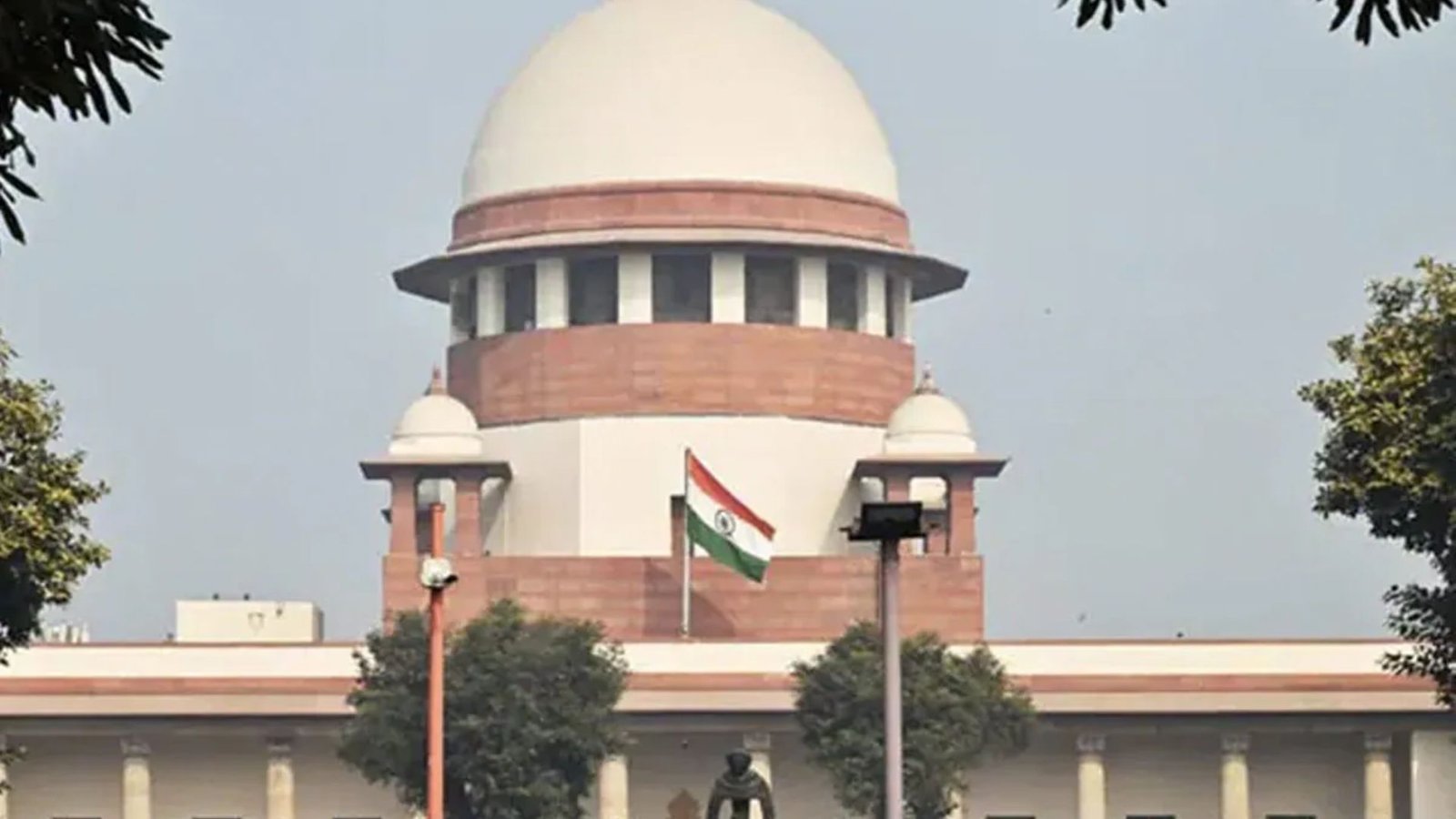
The Supreme Court has directed the Election Commission of India (ECI) to provide comprehensive details regarding the deletion of 3.66 lakh voters from the final electoral roll in Bihar. The order comes amidst concerns and reported “confusion” surrounding the removal of such a significant number of names, raising questions about the integrity of the electoral process in the state. The bench, hearing the matter, emphasized the need for clarity and transparency from the ECI regarding the criteria and procedures followed in deleting these voters.
Background of the Case
The issue was brought to the forefront following discrepancies observed in the electoral rolls, particularly concerning a large-scale deletion of voters. Petitioners argued that the removals were not adequately justified, leading to potential disenfranchisement of eligible voters. This prompted the court to seek detailed information from the ECI to ascertain the validity and fairness of the process. The court’s intervention underscores its commitment to upholding the fundamental right to vote and ensuring free and fair elections.
The ECI has been asked to furnish specific data, including the reasons for each deletion, the methods used to identify ineligible voters, and the mechanisms in place for voters to contest their removal. This information is crucial for assessing whether the deletions were carried out in accordance with established guidelines and whether due process was followed. The court’s directive aims to address the concerns raised and to prevent any potential manipulation or errors that could affect the outcome of elections.
Implications and Future Steps
The Supreme Court’s scrutiny of the ECI’s actions in Bihar highlights the critical importance of maintaining accurate and up-to-date electoral rolls. Discrepancies and unjustified deletions can undermine public confidence in the electoral system and raise doubts about the legitimacy of electoral outcomes. The court’s insistence on transparency and accountability from the ECI is a significant step towards safeguarding the integrity of the electoral process.
The outcome of this case could have far-reaching implications for electoral practices across the country. If the court finds that the deletions were not justified or that due process was not followed, it could issue directives to prevent similar occurrences in other states. This could involve stricter guidelines for voter registration and deletion, enhanced oversight of electoral roll preparation, and improved mechanisms for voters to challenge their removal.
The ECI is expected to submit the requested details promptly, and the court will likely examine the information thoroughly to determine whether further action is necessary. The case underscores the judiciary’s role in ensuring that elections are conducted fairly and transparently and that the right to vote is protected for all eligible citizens. The next hearing is expected to focus on the details provided by the ECI.
Ultimately, the Supreme Court’s intervention serves as a reminder of the importance of continuous vigilance and improvement in electoral processes to maintain the credibility and integrity of democratic institutions. The focus remains on ensuring that every eligible voter has the opportunity to exercise their right to vote without any undue impediments.
Image Source: Google | Image Credit: Respective Owner