The Supreme Court on Thursday slammed Uttar Pradesh police for their failure to act on a complaint from a witness in the Lakhimpur Kheri violence case, criticizing their delay in investigating allegations of witness influence. The court emphasized the need for immediate action to probe these serious claims.
The complaint, filed on June 20, was brought to the court’s attention after Baljinder Singh, a witness in the case, alleged that he had been threatened by an unidentified individual to not testify. Singh, who had approached the Supreme Court earlier this year, said that despite an order from the court on March 24 directing an investigation, no action had been taken by the police.
A bench led by Justice Surya Kant remarked that the explanation provided by the police—that the witness was unwilling to visit the police station—was unsatisfactory. “When a complainant is unwilling to come forward, a senior police official should have visited the witness to verify the contents of the written complaint,” the bench stated. The court emphasized that it was imperative to investigate these allegations thoroughly.
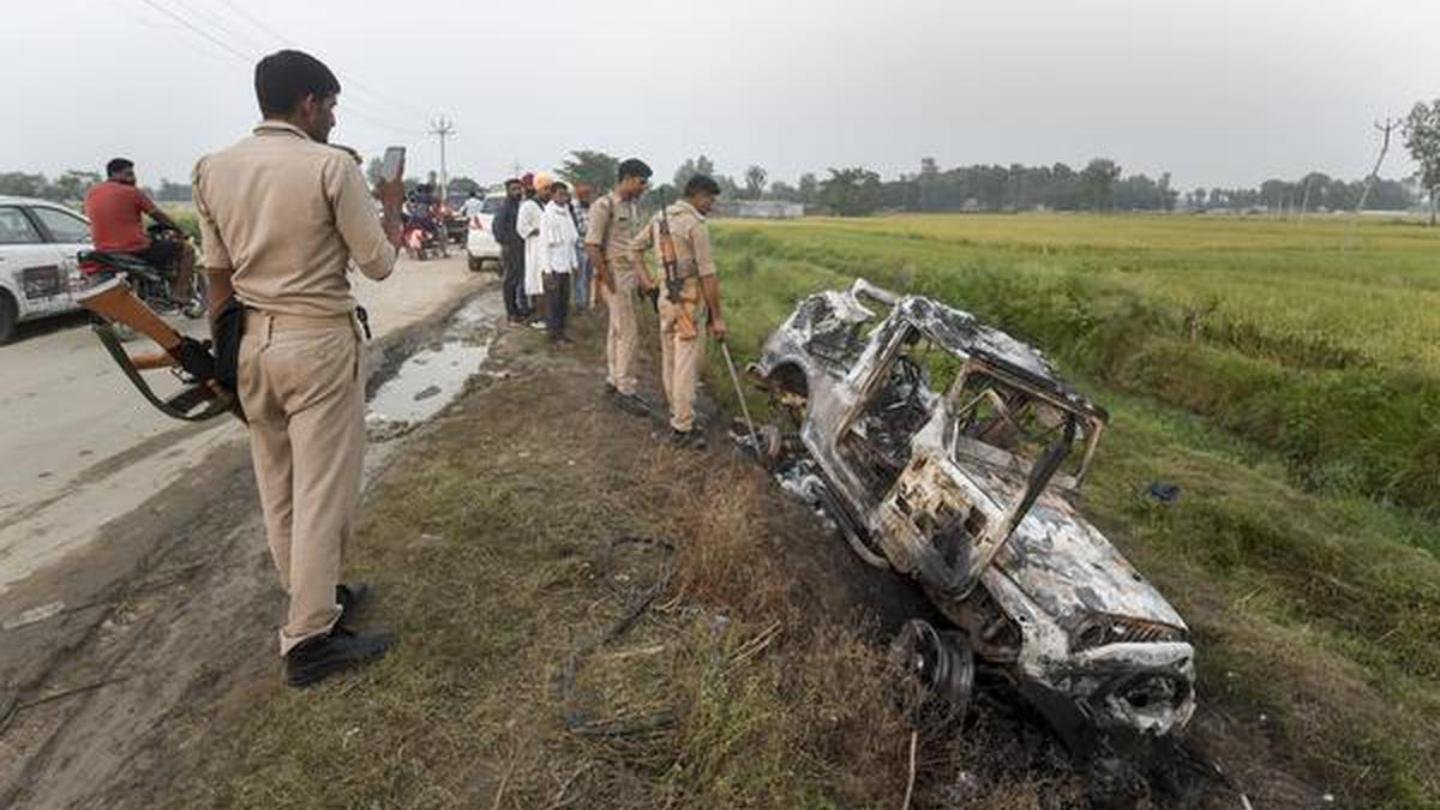
The case revolves around the October 3, 2021, incident where Ashish Mishra, son of former Union Minister Ajay Mishra, is accused of mowing down four farmers in Lakhimpur Kheri during a protest against the now-scrapped farm laws. Mishra, who has been out on bail since 2023, faces charges related to the deaths of the farmers, and the case has garnered significant attention due to its political ramifications.
Advocate Prashant Bhushan, representing the witness, informed the court that despite the earlier order for a status report, the police had failed to take appropriate action. He also presented an audio clip of a conversation between Singh and an unknown individual, which was submitted to the court in a sealed cover for further examination.
In response, the Uttar Pradesh government’s Additional Advocate General Garima Parshad informed the court that after the March order, the Superintendent of Police had contacted the witness and asked him to come to the police station. However, the police had still not taken any significant steps to investigate the allegations.
Mishra’s defense, led by senior advocate Siddharth Dave, vehemently denied the witness influence allegations, claiming they were politically motivated by a local Samajwadi Party functionary. Dave argued that the allegations were unsupported by evidence, pointing out that Singh had already testified in the trial.
The Supreme Court directed the Superintendent of Police in Lakhimpur Kheri to investigate the complaint, examine the evidence, and submit a status report. The bench further reiterated that if the complaint held merit, appropriate consequences should follow.
The case also sheds light on the trial’s progress, with the prosecution having dropped 20 of the 208 witnesses on its list. So far, 20 key witnesses have been examined. As part of the conditions for his bail, Mishra is prohibited from influencing or threatening witnesses and from entering Lakhimpur except for the trial.
The Lakhimpur Kheri violence case remains a high-profile matter with significant political overtones, and the court’s intervention underscores the importance of protecting witnesses and ensuring a fair trial.
Image Source: Google Images
Image Credit: Respective Owner