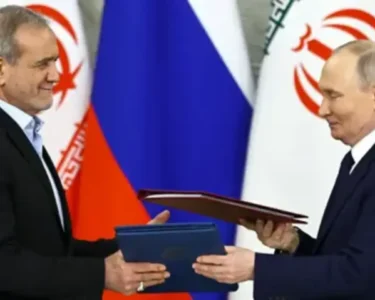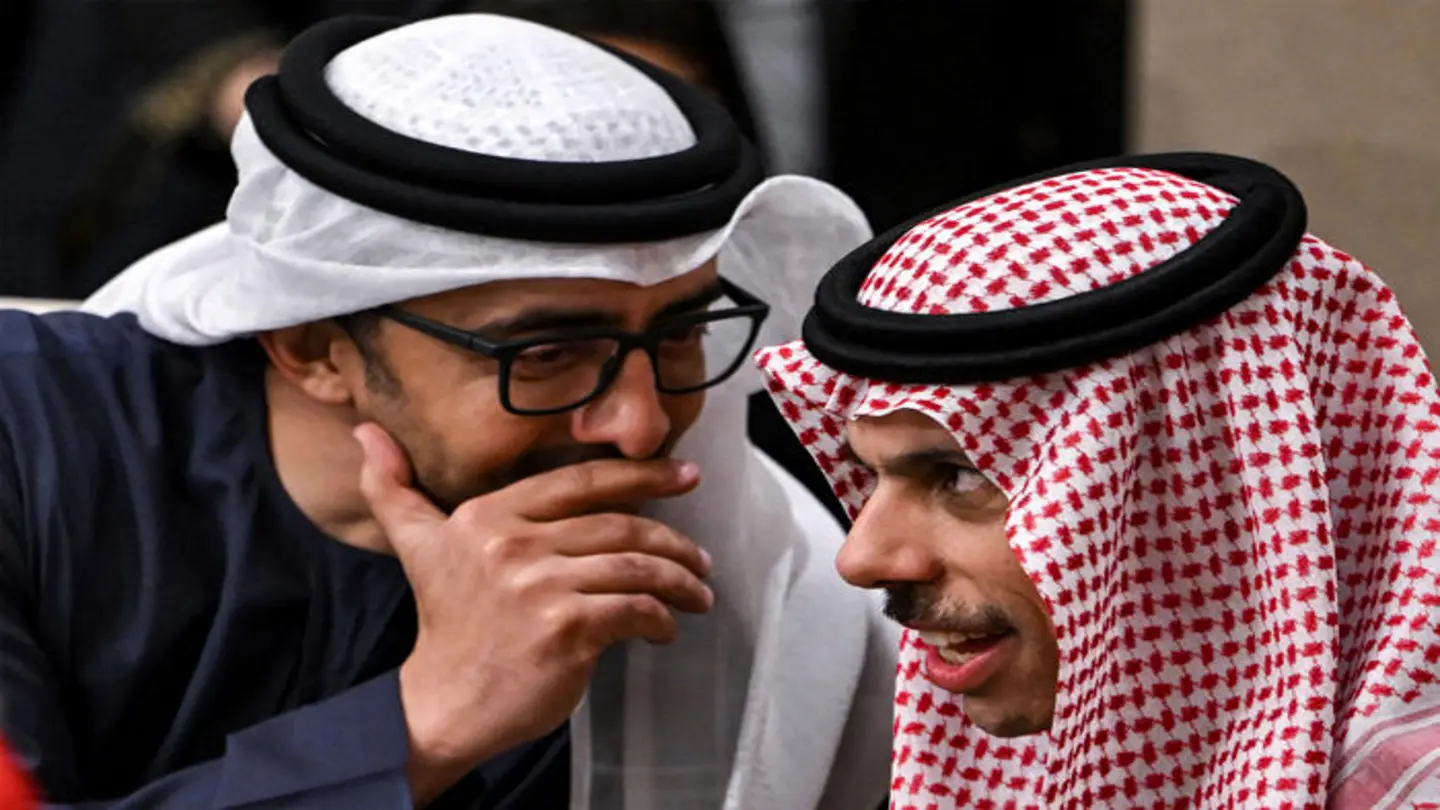
The relationship between Saudi Arabia and the United Arab Emirates (UAE), once a cornerstone of regional stability and a united front against Iran, is showing significant cracks. While publicly maintaining a facade of cooperation, a deepening feud is brewing, fueled by diverging strategic priorities, economic competition, and differing approaches to regional conflicts. This escalating tension poses a serious threat to the already volatile Middle East, potentially undermining efforts to contain Iran and complicating responses to conflicts in Yemen and elsewhere.
Economic and Strategic Divergences
The roots of the discord lie in fundamental differences in economic and strategic vision. Saudi Arabia, under Crown Prince Mohammed bin Salman, is pursuing ambitious economic reforms aimed at diversifying away from oil, including massive infrastructure projects like Neom. The UAE, meanwhile, has long been a regional economic powerhouse, leveraging its strategic location and business-friendly policies to attract foreign investment and establish itself as a global trade hub. This competition for regional economic dominance has created friction.
Furthermore, their approaches to regional security differ. While both countries share a common concern about Iran’s growing influence, they disagree on how to counter it. The UAE has pursued a more pragmatic approach, maintaining channels of communication with Tehran and prioritizing de-escalation. Saudi Arabia, on the other hand, has adopted a more confrontational stance, backing hardline factions and supporting military interventions.
Yemen and Beyond
The conflict in Yemen has exacerbated the tensions. While both countries initially intervened in support of the Yemeni government, their roles and objectives have diverged. The UAE has gradually scaled back its involvement, focusing on southern Yemen and pursuing a separate agenda. This has frustrated Saudi Arabia, which is determined to restore the authority of the internationally recognized government.
Beyond Yemen, the Saudi-UAE rivalry is playing out in other regional hotspots. Their differing stances on conflicts in Libya and Syria, as well as their approaches to dealing with Islamist groups, have further strained relations. The lack of coordination between the two countries weakens their collective ability to address regional challenges and creates opportunities for rivals like Iran to exploit.
The Future of the Partnership
The future of the Saudi-UAE partnership remains uncertain. While a complete rupture is unlikely, the growing tensions could lead to a prolonged period of rivalry and competition. This would have significant implications for regional stability, potentially emboldening Iran and complicating efforts to resolve conflicts. The United States and other international actors will need to carefully manage the relationship and work to mitigate the risks of further escalation. A fractured Gulf Cooperation Council (GCC) diminishes the region’s ability to present a united front against external threats and undermines the prospects for long-term peace and prosperity.
Image Source: Google | Image Credit: Respective Owner