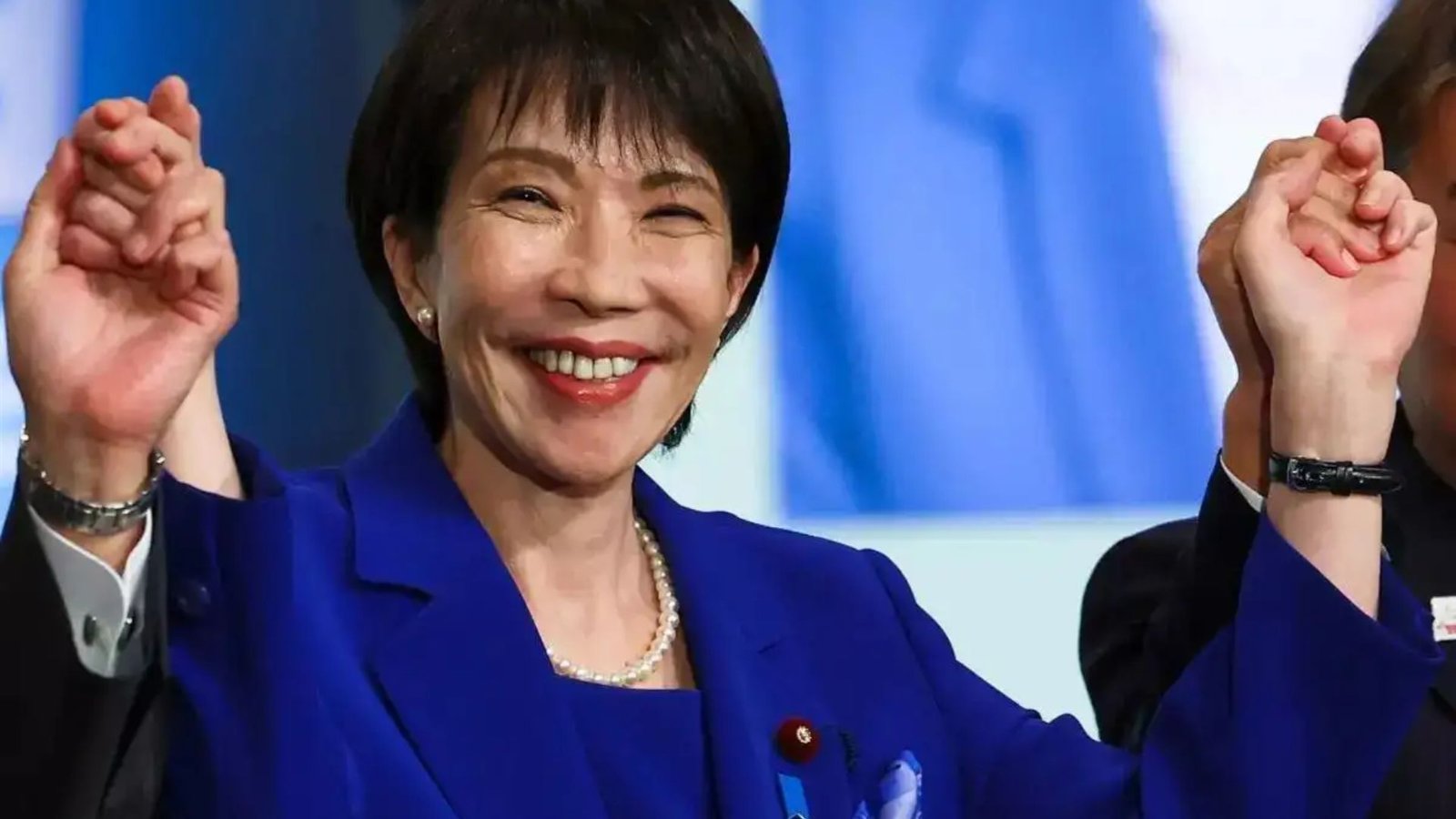
Sanae Takaichi has emerged as a frontrunner in the Liberal Democratic Party (LDP) elections, positioning her as a likely successor to Shigeru Ishiba and potentially becoming Japan’s first female Prime Minister. The election within the ruling LDP is crucial, as the party’s leader typically assumes the nation’s top political office.
Takaichi’s rise reflects a shifting political landscape in Japan, where calls for greater gender equality and female representation in leadership roles have grown louder. While Japan has made strides in various sectors, the political arena has remained largely dominated by men.
Takaichi’s Political Stance
Known for her conservative views, Takaichi has advocated for policies that align with traditional Japanese values and a strong national defense. Her economic policies are expected to focus on revitalizing the Japanese economy through strategic investments and fiscal measures. Takaichi’s political platform includes a commitment to addressing Japan’s aging population and declining birth rate, key challenges facing the nation.
If elected, Takaichi would inherit a complex set of domestic and international issues. Japan faces ongoing economic challenges, including deflationary pressures and the need for structural reforms. Geopolitically, Japan must navigate its relationship with China, manage security concerns in the region, and maintain its alliance with the United States.
Impact on International Relations
Takaichi’s foreign policy approach is anticipated to emphasize strengthening alliances and promoting regional stability. She is expected to maintain close ties with the U.S. and work with other countries to address shared challenges, such as climate change and global health security. Her stance on China will be closely watched, as Japan seeks to balance economic cooperation with security concerns.
The LDP election outcome will have significant implications for Japan’s future direction. Takaichi’s potential ascension to the Prime Minister’s office marks a pivotal moment in Japanese history, signaling a possible shift in gender dynamics within the country’s political sphere. Her leadership could usher in new policies and priorities, shaping Japan’s trajectory on both domestic and international fronts. The global community will closely observe her approach to economic reforms, diplomatic relations, and security challenges.
Image Source: Google | Image Credit: Respective Owner