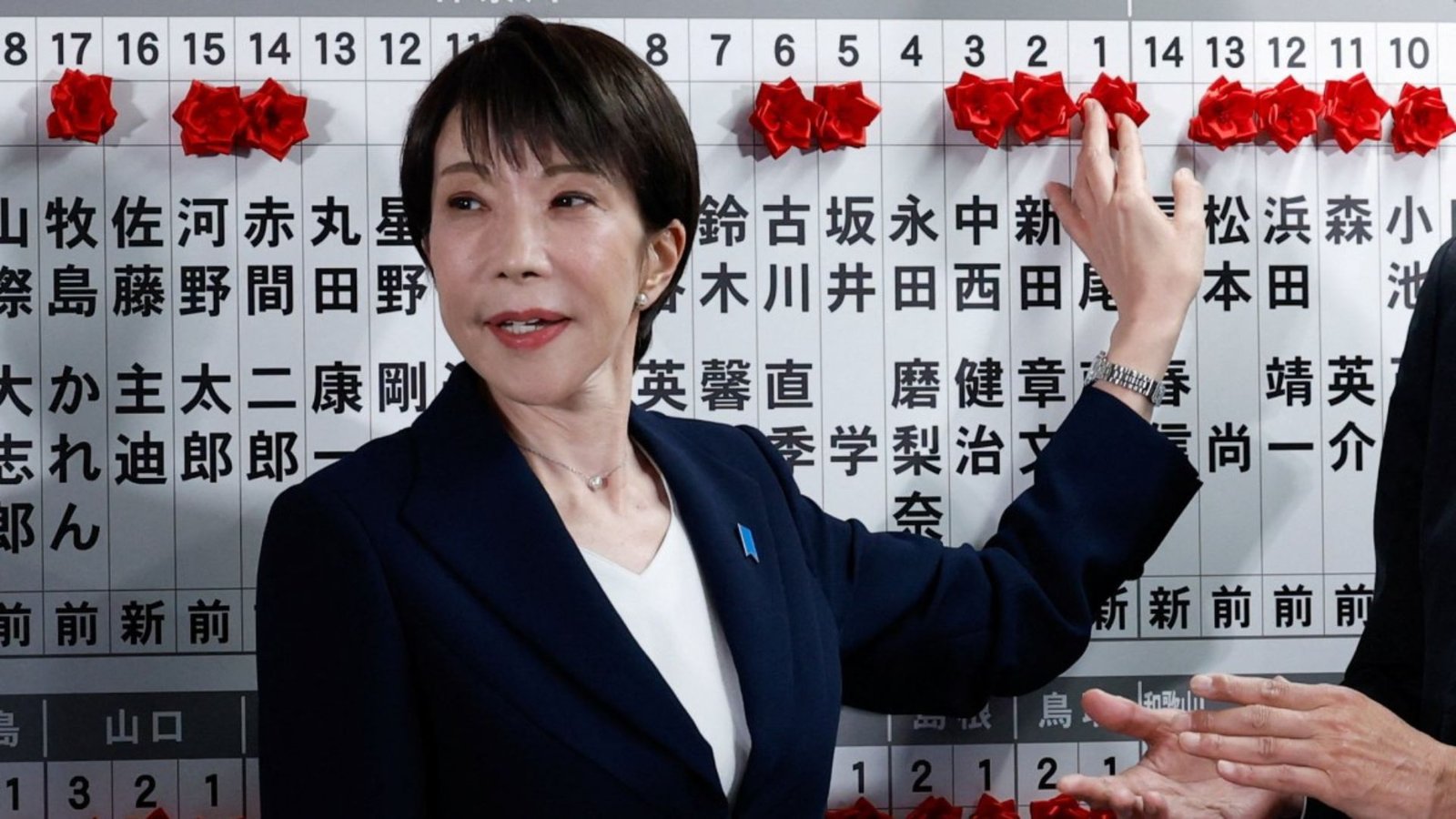
Sanae Takaichi, a prominent conservative politician in Japan, has emerged as the country’s key leader following a landslide electoral win that has consolidated her power. Often referred to as the ‘Iron Lady’ due to her firm stance on policy issues, Takaichi’s ascendancy marks a significant turning point in Japanese politics, with far-reaching implications for the nation’s future course.
Political Rise and Ideology
Takaichi, a veteran of the Liberal Democratic Party (LDP), has served in various ministerial roles and is a vocal advocate for constitutional revision, especially to amend the pacifist Article 9. Her political identity is rooted in nationalism, strong U.S. ties, and a hardline stance on security. The electoral landslide, which saw her allies win a commanding majority, reflects public support for her vision of a stronger Japan.
Domestic Agenda and Challenges
Her administration will focus on economic revitalization, addressing the declining birth rate and aging population, and advancing constitutional reforms. Economic policies may include fiscal stimulus and structural reforms to combat deflation and boost growth. However, Japan faces deep-seated issues like a stagnant economy, high public debt, and social inertia. Takaichi must also navigate intra-party dynamics, as the LDP includes diverse factions with differing priorities.
Foreign Policy Shifts
Internationally, Takaichi is expected to bolster Japan’s defense capabilities and reinforce the U.S.-Japan alliance. She has called for increased defense spending and a more proactive role in regional security, which could escalate tensions with China and North Korea. Relations with South Korea may remain fraught over historical issues, requiring diplomatic finesse. Her leadership will be tested by ongoing disputes in the East China Sea and the Korean Peninsula.
Public and Global Reactions
Reactions to her leadership vary. Supporters see her as a decisive leader who can restore Japan’s global standing and national confidence. Critics express concerns about her conservative policies, potential erosion of democratic values, and approach to historical controversies. The international community watches closely, as Japan’s policies impact regional stability and global trade.
Future Prospects
Takaichi’s success will depend on her ability to deliver tangible results. Economic recovery, social reforms, and effective diplomacy are key. The landslide victory provides a strong mandate, but Japan’s complex polity demands coalition-building and compromise. Her tenure could define Japan’s trajectory for years, influencing its role in the Indo-Pacific and beyond.
In summary, Sanae Takaichi’s emergence as Japan’s leader after an electoral triumph underscores a conservative wave that promises a more assertive national posture. While challenges abound, her administration’s actions will shape Japan’s domestic future and its interactions with the world, marking a critical juncture in modern Japanese history.
Image Source: Google | Image Credit: Respective Owner