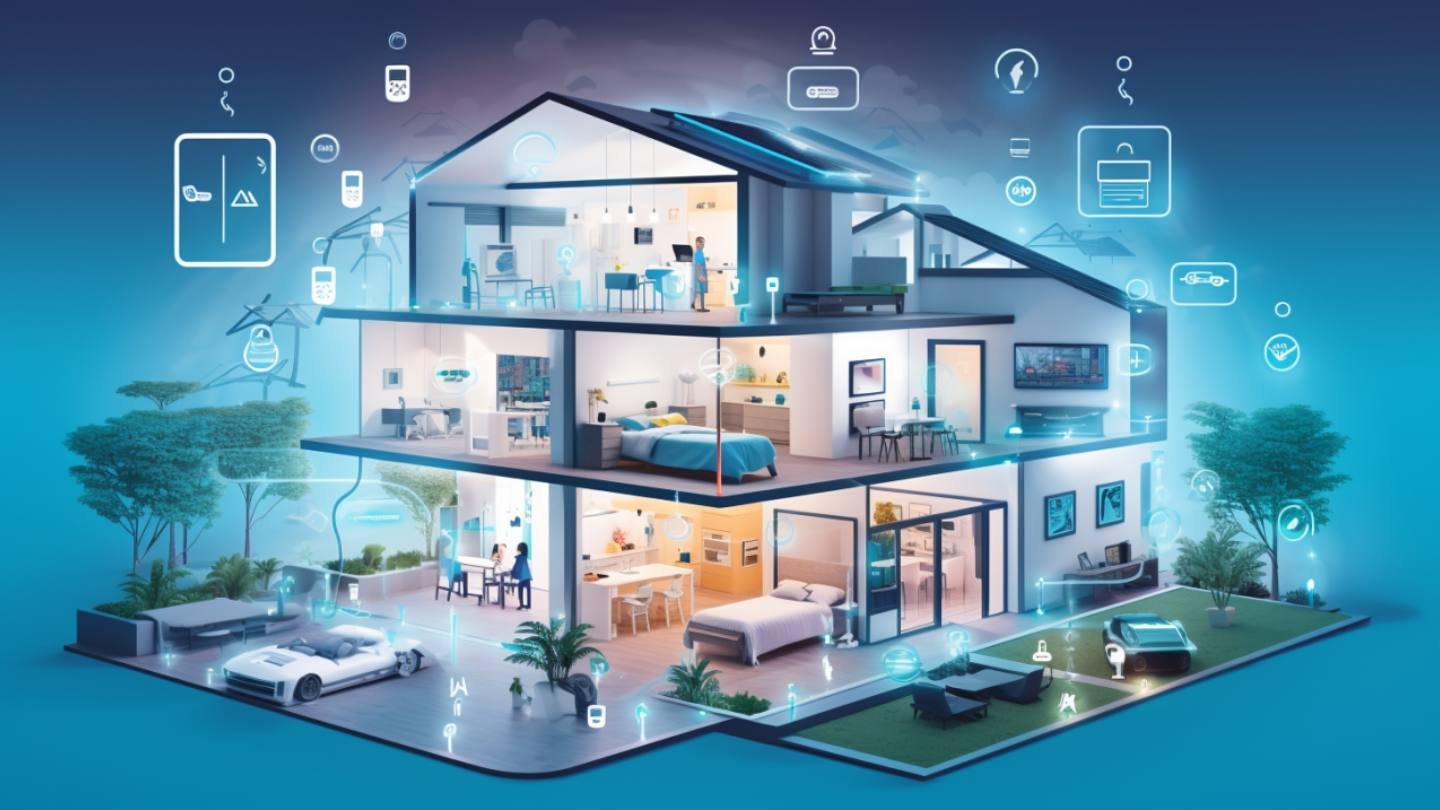
Seoul: Samsung is positioning itself at the center of the global smart home revolution with its AI-powered ecosystem, anchored by One UI 8 and the company’s new “AI Home” vision unveiled at IFA 2025. By tightly integrating hardware, software, and services, the South Korean tech giant is moving beyond smartphones into connected living—where appliances, vehicles, and even ships operate seamlessly within its SmartThings network.
One UI 8: Unifying the Experience
Launched earlier this year and rolling out to home appliances in September, One UI 8 delivers multimodal AI features across Samsung’s product range. Built on Android 16, the interface enables real-time, context-aware interactions through Gemini Live, integrates predictive tools like the Now Bar and Now Brief, and extends AI-driven personalization to refrigerators, washing machines, and TVs.
This ecosystem-wide integration isn’t just about convenience—it’s a deliberate strategy to raise switching costs and lock users into Samsung’s ecosystem, where devices communicate and adapt intelligently.
Security and Longevity as Differentiators
Samsung’s Knox Matrix, a blockchain-based security framework, ensures that connected devices can verify each other’s integrity, addressing growing concerns about data and privacy. Combined with seven-year software support for home appliances, Samsung is aligning product durability with digital reliability—building long-term trust with consumers.
Expanding Beyond Homes
At IFA 2025, Samsung showcased its AI Bespoke Refrigerator and AI Jet Ultra vacuum, not as standalone gadgets but as part of a wider network. The SmartThings app, enhanced with energy demand-response features, acts as the central nervous system of this ecosystem.
Partnerships extend Samsung’s reach further: integration with Hyundai Motor Group for EV connectivity, Samsung Heavy Industries for smart ships, and leadership within the Connectivity Standards Alliance (CSA) ensure interoperability and drive mass adoption.
Investor Takeaways
For investors, Samsung’s shift offers both growth and resilience. Its move toward software-as-a-service (SaaS) monetization—through SmartThings subscriptions, energy management, and health insights—diversifies revenue beyond hardware sales. With 7.5% of revenue allocated to R&D, Samsung is outpacing peers and building a robust innovation pipeline.
Analysts see strong demand among aging populations for health-focused AI appliances and among energy-conscious consumers for sustainable living solutions. Combined with recurring SaaS revenues, Samsung is shaping up as a must-own stock in the connected tech space.
The Bigger Picture
Samsung’s AI ecosystem is more than a collection of devices—it is a platform redefining how people interact with technology. By embedding intelligence into everyday appliances and services, the company is creating a digital grid for modern living. For competitors, replicating this blend of hardware strength, software depth, and ecosystem partnerships will be a steep challenge.
Image Source: Google | Image Credit: Respective Owner