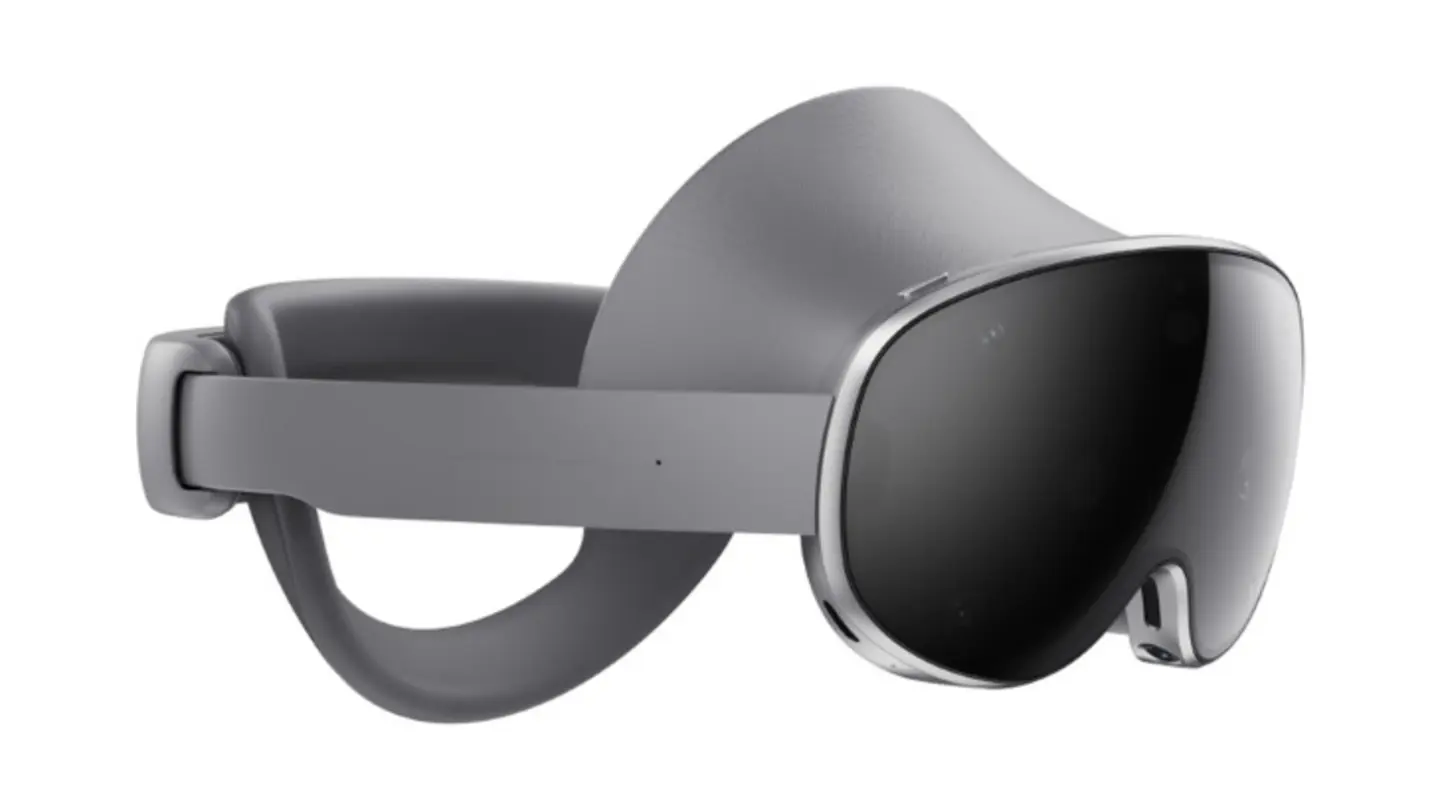
Rumors suggest Samsung is preparing to launch its Galaxy XR device in select markets, including the UK, Canada, and several European countries. This move indicates a broader push for Samsung into the extended reality (XR) space, challenging established players in the virtual and augmented reality headset market. The Galaxy XR, details of which remain largely under wraps, is expected to compete with devices like the Meta Quest and upcoming offerings from Apple. Sources familiar with the matter indicate that Samsung is strategically targeting markets with a strong existing interest in gaming and technology.
Market Expansion and Competition
The choice of the UK and Canada, alongside specific EU nations, likely reflects a calculated decision based on market analysis and potential user base. These regions are known for their tech-savvy consumers and established gaming communities, making them prime locations for launching a new XR device. Samsung’s entry into the XR market is anticipated to intensify competition, driving innovation and potentially lowering prices for consumers. The company’s extensive experience in display technology and mobile devices could give it a competitive edge in creating a compelling XR experience.
The specifics of the Galaxy XR’s technical specifications, pricing, and release date are still unknown. However, industry analysts speculate that Samsung will leverage its existing partnerships with technology providers to incorporate cutting-edge features. This could include advanced display panels, powerful processors, and innovative tracking systems. The device is also expected to integrate seamlessly with Samsung’s ecosystem of devices and services, offering users a cohesive and immersive experience.
Implications for the XR Market
Samsung’s rumored entry into the XR market has significant implications for the industry as a whole. With its global brand recognition and established distribution channels, Samsung has the potential to accelerate the adoption of XR technology among mainstream consumers. This could lead to increased investment in XR content development, creating a wider range of applications for entertainment, education, and productivity. The move also puts pressure on existing players to innovate and improve their offerings in order to maintain market share.
The Galaxy XR’s success will depend on several factors, including its price point, technical capabilities, and the availability of compelling content. Samsung will need to carefully balance these factors to create a product that appeals to both early adopters and mainstream consumers. The company’s marketing efforts will also play a crucial role in shaping public perception and driving sales. As the XR market continues to evolve, Samsung’s entry is poised to be a significant catalyst for growth and innovation.
Image Source: Google | Image Credit: Respective Owner