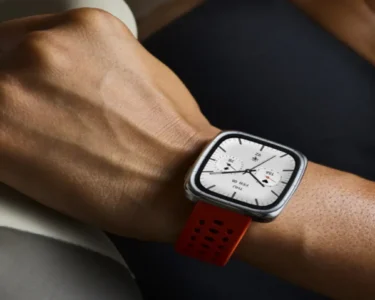
Samsung is poised to revolutionize nutrition tracking with its upcoming Galaxy Watch, incorporating industry-first technology developed in-house. This innovative feature aims to provide users with a more comprehensive understanding of their dietary habits and overall well-being. The new nutrition tracking system represents a significant leap forward in wearable technology, potentially transforming how individuals monitor and manage their health.
Advanced Sensor Technology
The core of Samsung’s nutrition tracking technology lies in its advanced sensor capabilities. While specific details remain under wraps, it is anticipated that the Galaxy Watch will utilize a combination of bioimpedance analysis (BIA) and potentially other novel sensor technologies to estimate calorie intake, macronutrient composition (protein, carbohydrates, and fats), and hydration levels. Traditional methods of nutrition tracking often rely on manual logging, which can be inaccurate and time-consuming. Samsung’s automated approach promises to streamline the process and provide more reliable data.
The integration of sophisticated sensors allows the Galaxy Watch to continuously monitor key physiological parameters, providing real-time feedback to users. This constant monitoring can help individuals make more informed decisions about their food choices and activity levels, ultimately promoting healthier lifestyles. The device’s ability to analyze body composition goes beyond simple weight measurement, offering insights into muscle mass, fat percentage, and other important indicators of metabolic health.
User-Centric Design and Integration
Samsung has emphasized a user-centric design philosophy in the development of its nutrition tracking feature. The Galaxy Watch is expected to present the collected data in an intuitive and easily understandable format, empowering users to track their progress and identify areas for improvement. The data collected will likely be seamlessly integrated with the Samsung Health app, providing a holistic view of the user’s health and fitness metrics. This integration will allow users to correlate their dietary habits with other factors such as sleep patterns, activity levels, and stress levels, offering a more complete picture of their overall well-being.
Furthermore, Samsung is likely to incorporate personalized recommendations and coaching features to help users achieve their specific health goals. These personalized insights could include suggestions for meal planning, exercise routines, and lifestyle modifications, all tailored to the individual’s unique needs and preferences. By providing actionable guidance, Samsung aims to empower users to take control of their health and make sustainable lifestyle changes. The Galaxy Watch’s nutrition tracking capabilities will not only monitor dietary intake but also provide users with the tools and resources they need to make informed choices and lead healthier lives. The new technology is expected to set a new standard for wearable health monitoring.
Image Source: Google | Image Credit: Respective Owner