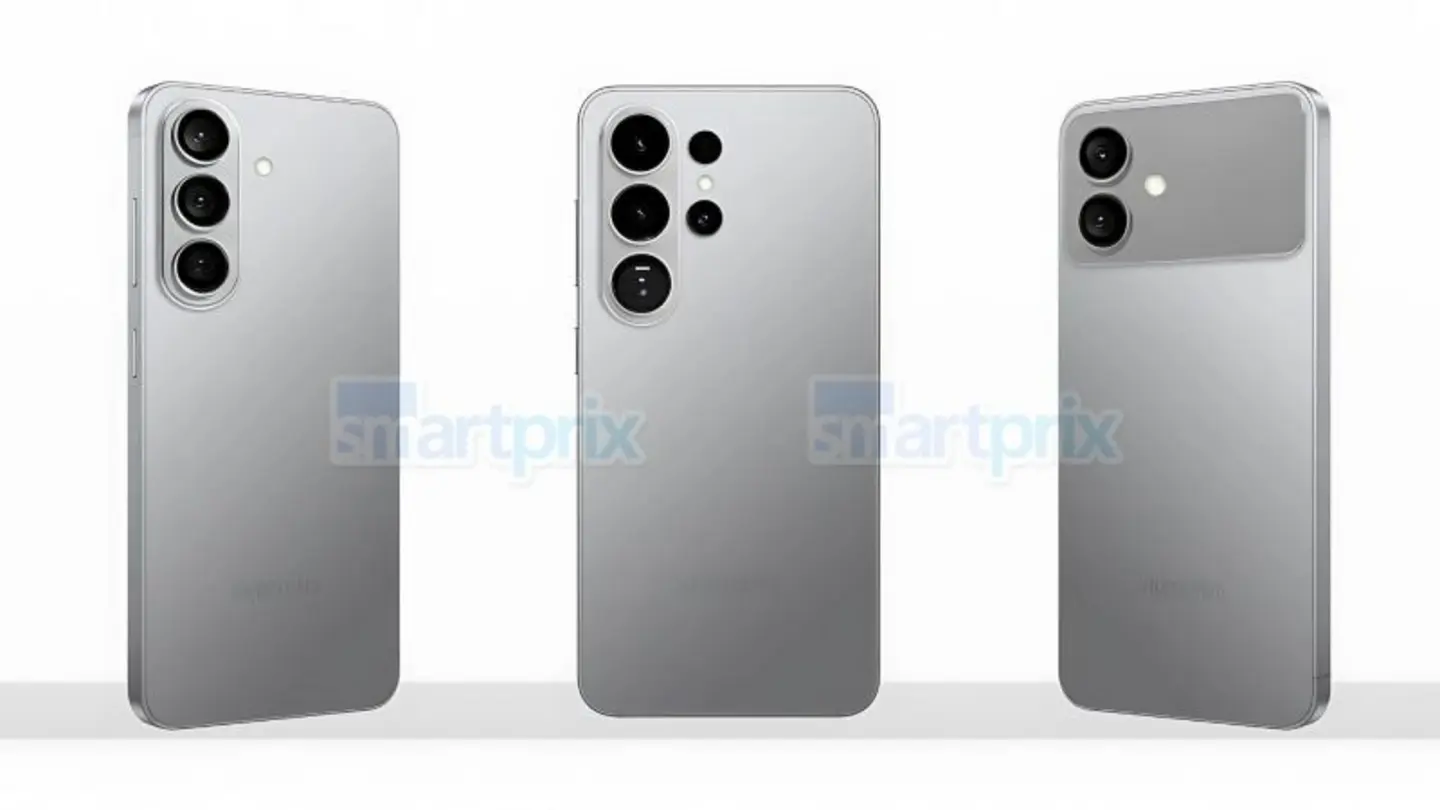
Samsung Electronics’ highly anticipated Galaxy S26 Ultra flagship smartphone is reportedly facing a potential delay in its expected launch timeline, according to industry sources familiar with the company’s product roadmap. The device, which represents the next generation of Samsung’s premium smartphone lineup, was initially anticipated to follow the traditional early-year release pattern established by previous Galaxy S series models.
The delay speculation stems from multiple factors that appear to be influencing Samsung’s product development cycle. Industry analysts suggest that the postponement could be attributed to the company’s desire to refine certain features and specifications that may not have met internal quality standards within the original timeframe. This cautious approach reflects Samsung’s commitment to maintaining its position as a leader in the competitive premium smartphone market.
Technical specifications under consideration for the Galaxy S26 Ultra include significant upgrades to the camera system, with particular focus on enhanced computational photography capabilities and improved low-light performance. The device is expected to feature advanced AI processing capabilities that could revolutionize mobile photography and videography experiences for consumers.
Battery technology and charging capabilities are also areas where Samsung appears to be implementing substantial improvements. The company has been investing heavily in battery research, particularly in fast-charging technologies and energy efficiency optimization. These enhancements aim to address one of the most significant consumer pain points: battery life and charging convenience.
The display technology is another critical component undergoing evaluation. Samsung’s renowned AMOLED panels are expected to receive further enhancements in brightness, color accuracy, and energy efficiency. The integration of advanced display technologies could provide users with superior viewing experiences while maintaining power efficiency.
Processor integration remains a key consideration, with Samsung’s partnership with various chipset manufacturers likely influencing the final timeline decisions. The balance between performance optimization, thermal management, and power consumption is crucial for flagship devices, requiring extensive testing and refinement periods.
The potential delay, while disappointing for eager consumers, demonstrates Samsung’s strategic approach to product development. Rather than rushing to meet arbitrary deadlines, the company appears focused on delivering a product that meets elevated consumer expectations and maintains competitive differentiation in an increasingly saturated premium smartphone market.
Market dynamics and competitive pressures also play a significant role in timing decisions. With major competitors constantly innovating and introducing new technologies, Samsung must carefully time its product releases to maximize market impact while ensuring technological superiority remains established.
Image Source: Google | Image Credit: Respective Owner