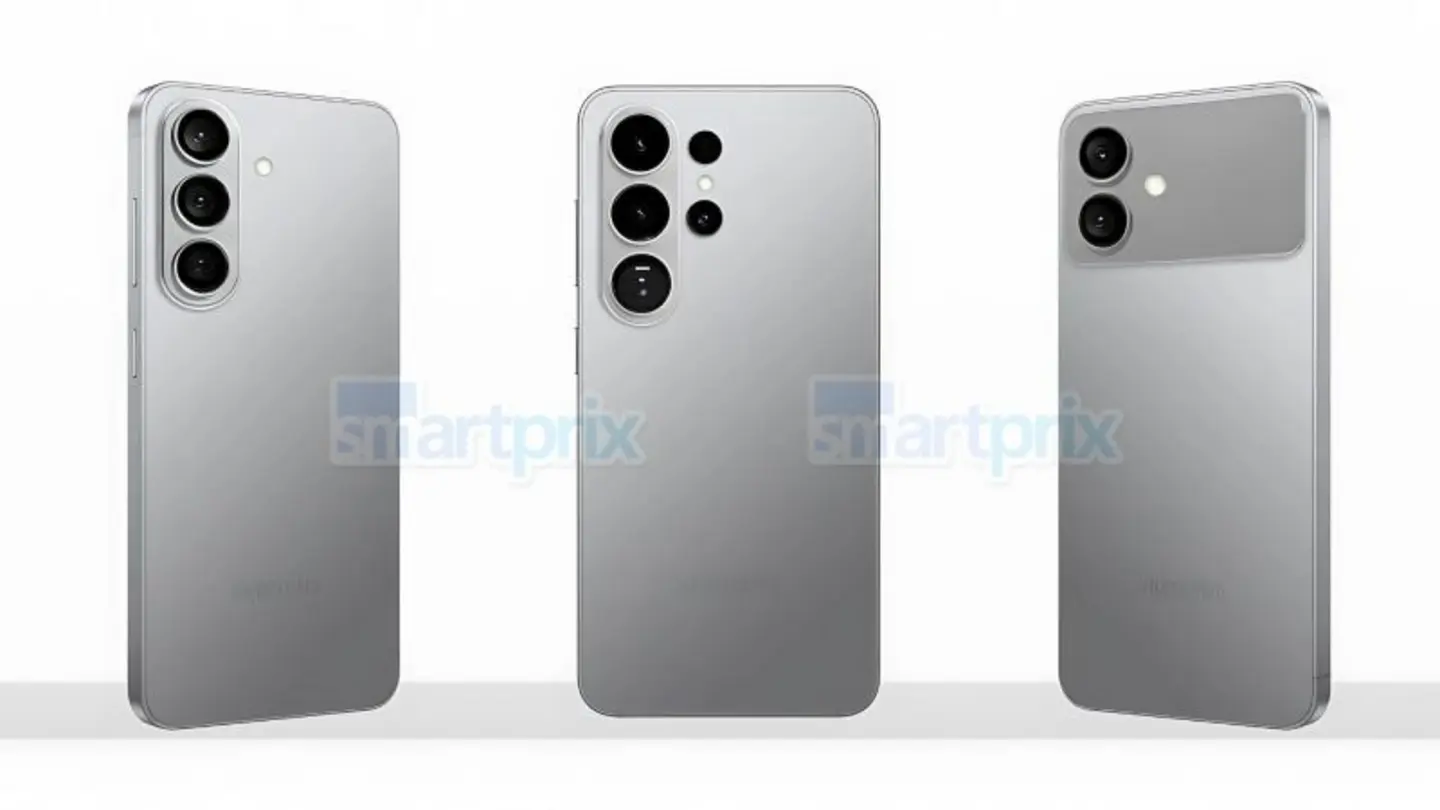
Samsung is reportedly weighing a price increase for its upcoming Galaxy S26 series of smartphones. According to sources cited by PCMag, the company is facing increasing component costs, particularly for key components related to advanced AI features and camera technology. This cost pressure is prompting a re-evaluation of the pricing strategy for its next flagship devices.
While the exact amount of the potential price hike remains undisclosed, analysts suggest it could be significant enough to move the Galaxy S26 into a higher price bracket than its predecessors, the S24 series. The rising costs of materials like chipsets, display panels, and memory are contributing factors. Specifically, the integration of more sophisticated AI capabilities is demanding higher-performing and more expensive processors and supporting hardware.
The Galaxy S24 series, launched earlier this year, already incorporated substantial AI features, such as real-time translation, generative editing of photos and videos, and enhanced search functionalities. However, Samsung is believed to be planning even more integrated and robust AI tools for the S26, which will require even more advanced, and costly, components.
Camera technology is another area where Samsung is investing heavily. The company aims to further differentiate its smartphones through superior camera performance, utilizing new sensors, lenses, and image processing algorithms. These advancements are naturally accompanied by increased production expenses. The trend towards larger sensors, improved zoom capabilities, and more complex lens assemblies all drive up the cost per device.
Impact on Consumers and Competition
A price increase could have a ripple effect on the smartphone market. Samsung is a major player, and its pricing decisions often influence competitors like Apple and Google. If Samsung raises prices, these other companies might follow suit, especially in the premium segment.
For consumers, a higher price tag on the Galaxy S26 could mean harder decisions when upgrading their phones. The smartphone market is already seeing a trend of lengthening upgrade cycles, as consumers hold onto their devices for longer periods. Increased prices could exacerbate this trend, potentially slowing down overall sales volume. However, Samsung’s brand loyalty and the appeal of its innovative features may mitigate the impact of price changes.
The company is expected to balance the need to maintain profitability with the desire to remain competitive in a saturated market. Marketing and promotions will likely play a key role in justifying the higher price point, focusing on the enhanced AI capabilities, improved camera quality, and overall user experience. The final pricing strategy will also depend on the economic climate and the responses of competitors.
It’s important to note that these reports are based on industry sources and that Samsung has not officially confirmed any price adjustments for the Galaxy S26. Details surrounding the actual cost of components are often closely guarded by suppliers and manufacturers. We anticipate further information as the launch date of the S26 series approaches, potentially during the company’s next earnings call or a dedicated product announcement event.
Image Source: Google | Image Credit: Respective Owner