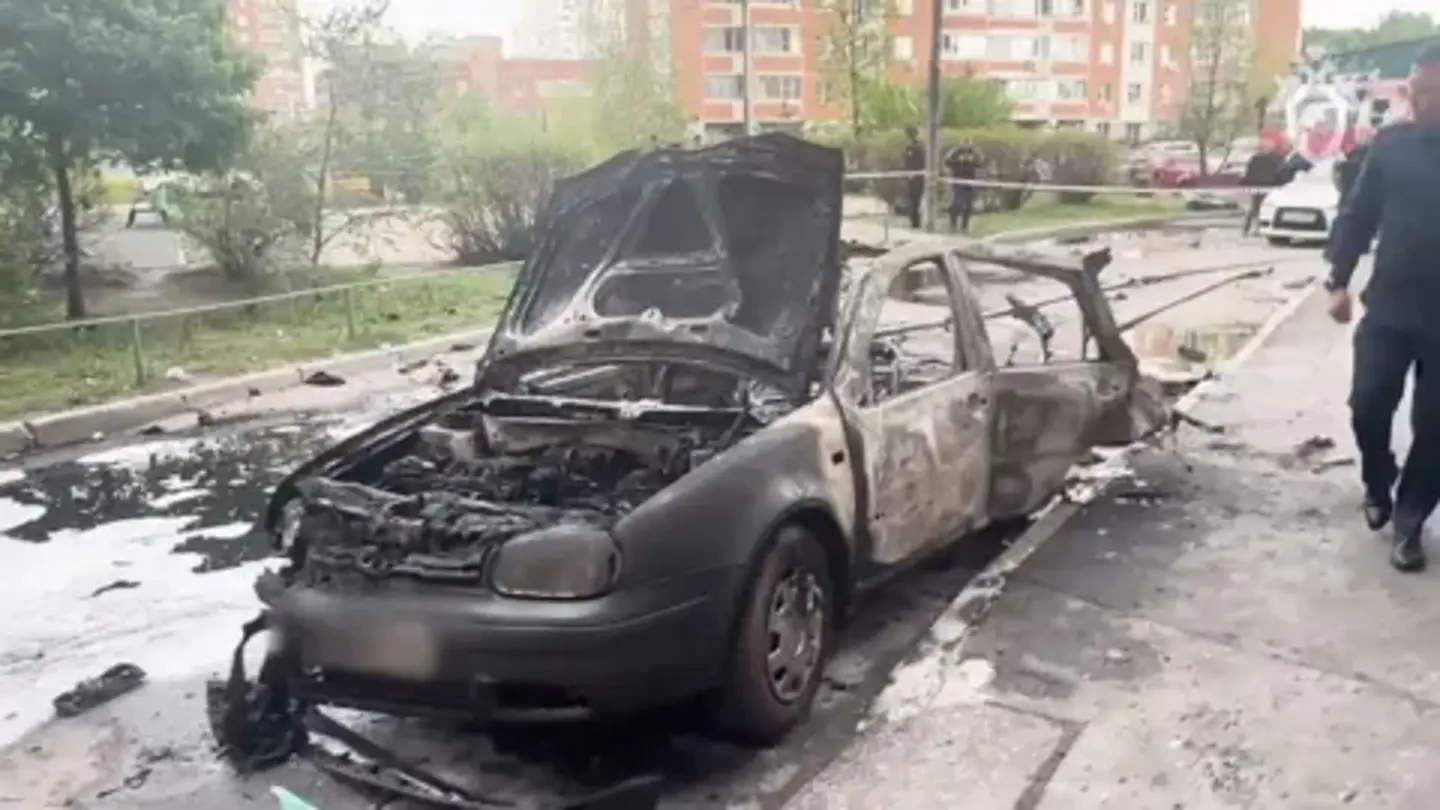
A high-ranking Russian general, Andrey Sukhovetsky, was killed in a car bombing in Moscow, according to reports from Russian investigators and confirmed by Ukrainian intelligence. Sukhovetsky, a deputy commander of the 2nd Guards Tank Army of the Western Military District, reportedly died on Wednesday, November 8th, amid heightened security concerns within the Russian capital.
Initial reports suggest an improvised explosive device (IED) detonated inside the vehicle, causing fatal injuries to the general. Russian authorities have launched a full investigation into the incident, currently treating it as a case of terrorism. No group has yet claimed responsibility for the attack.
Sukhovetsky’s death marks a significant loss for the Russian military and is particularly notable as he was considered a veteran of numerous conflicts, including the wars in Chechnya and Syria. He played a role in Russia’s annexation of Crimea in 2014 and was involved in military operations in eastern Ukraine beginning in 2022. The circumstances surrounding his death are extremely sensitive, particularly given the ongoing conflict in Ukraine and the potential for escalation.
Impact and Reactions
The news of Sukhovetsky’s demise has prompted a range of reactions, both domestically within Russia and internationally. While Russian state media has provided limited coverage, focusing primarily on the investigative efforts, Ukrainian officials have openly acknowledged the death, with some sources suggesting potential involvement of resistance groups operating within Russia. This claim, however, remains unverified.
Military analysts suggest that the loss of a general of Sukhovetsky’s stature could impact Russian command and control structures, potentially creating vulnerabilities in ongoing operations. However, the full extent of this impact remains to be seen. The bombing also raises questions about the security situation in Moscow, despite the increased presence of law enforcement and security forces.
The incident occurred as Russia has tightened security measures in response to a series of recent attacks and sabotage attempts attributed to Ukrainian-linked groups. The Kremlin has repeatedly accused Ukraine of carrying out terrorist acts on Russian territory, a charge Kyiv has consistently denied, often pointing the finger back at Moscow and suggesting false flag operations.
Ukraine’s intelligence agencies have communicated that the incident isn’t an isolated event, insinuating a larger pattern of attacks targeting individuals linked to the Russian military and political establishment. Further reports suggest Sukhovetsky was a known figure within the Wagner Group, a private military company with close ties to the Russian government, potentially broadening the scope of individuals or groups with a motive for the attack. The investigation is expected to be prolonged and complex, utilizing forensic evidence and intelligence gathering to determine the perpetrators and the extent of any broader conspiracy. The bombing has significantly amplified the ongoing tensions, adding another layer of complexity to the already fraught relationship between Russia and Ukraine.
Image Source: Google | Image Credit: Respective Owner