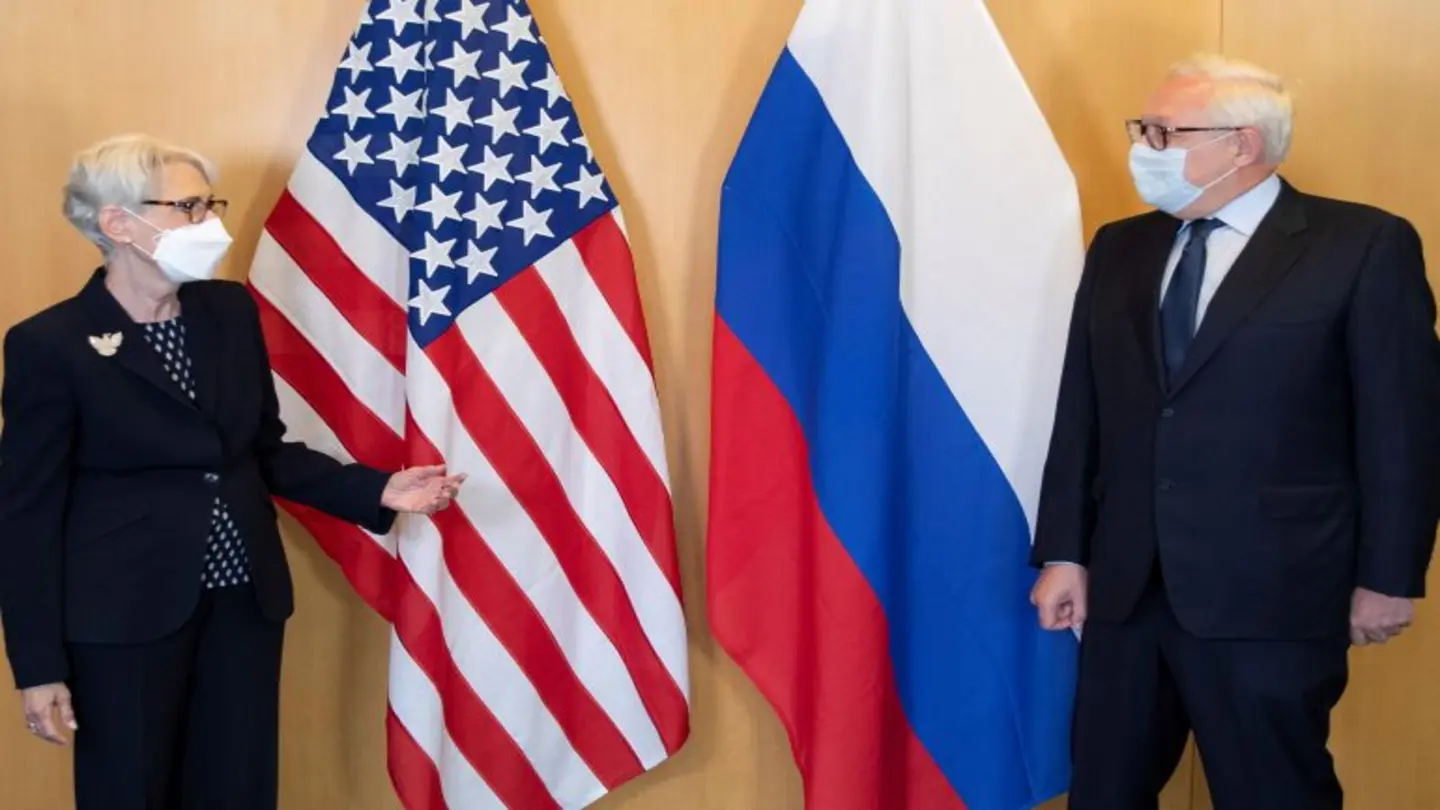
Moscow – Russia is prepared to operate in a world without restrictions on its nuclear arsenal, a senior Russian diplomat declared, signaling a significant shift in the country’s strategic outlook and potentially escalating global tensions. The statement, made by Deputy Foreign Minister Sergei Ryabkov during a televised interview, suggests a departure from previous commitments to nuclear arms control treaties and a willingness to pursue a more assertive role on the international stage.
Ryabkov asserted that Russia views the current international order as fundamentally flawed and dominated by the United States, arguing that Western nations have consistently disregarded Russia’s interests and violated agreements. He stated that Russia is not seeking to initiate a new arms race but is prepared to respond if other countries abandon their commitments. This declaration comes amidst ongoing geopolitical instability, fueled by the conflict in Ukraine and heightened tensions with NATO.
The Context of the Statement
The comments were made in response to questions about Russia’s stance on the New START treaty, the last remaining major nuclear arms control agreement between Russia and the United States. The treaty limits the number of deployed strategic nuclear warheads and delivery systems. Ryabkov’s remarks indicate a potential willingness to unilaterally withdraw from the treaty or to demand changes to its terms, effectively undermining the existing framework for nuclear arms control.
Western officials have reacted with concern, viewing Russia’s stance as destabilizing and irresponsible. The United States has repeatedly urged Russia to remain committed to the New START treaty, arguing that it is crucial for maintaining strategic stability. NATO Secretary-General Jens Stoltenberg echoed these concerns, stating that Russia’s actions could have serious consequences for global security.
The implications of Russia’s declaration are far-reaching. It raises questions about the future of nuclear arms control, the potential for miscalculation, and the overall stability of the international system. Some analysts believe that Russia’s move could embolden other countries to pursue their own nuclear ambitions, while others argue that it will simply lead to a renewed arms race.
Ryabkov emphasized that Russia’s actions are not intended to provoke a conflict but are a response to the perceived injustices and threats facing the country. He reiterated Russia’s position that the West has been using Ukraine as a proxy to weaken Russia and undermine its influence. The statement reflects a broader narrative of Russia as a victim of Western aggression and a defender of its national interests.
The Russian government has consistently maintained that its nuclear arsenal is intended solely for deterrence purposes and that it will not use nuclear weapons unless its own territory or the security of Russian citizens is threatened. However, Ryabkov’s comments suggest a more flexible approach to the use of nuclear weapons, raising concerns about the potential for escalation in a crisis.
Looking ahead, the situation remains highly uncertain. Diplomatic efforts to de-escalate tensions and revive arms control agreements are likely to be difficult, given the deep-seated mistrust and animosity between Russia and the West. The international community faces a critical challenge in managing the risks posed by Russia’s evolving nuclear strategy and preventing a further deterioration of global security.
Image Source: Google | Image Credit: Respective Owner