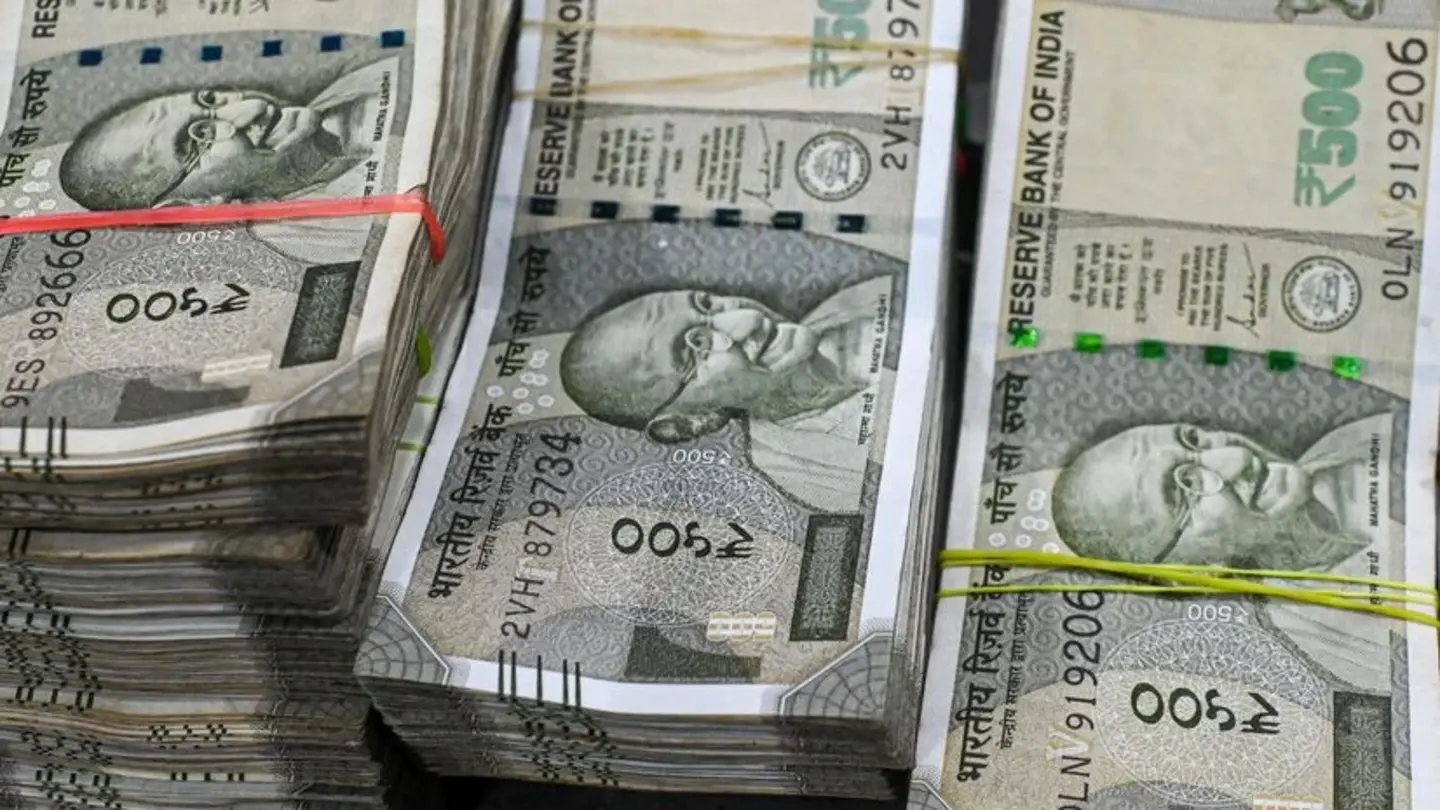
The Indian rupee concluded trading on a nearly flat note, caught between the opposing forces of merchant demand and supply in the currency markets. The currency experienced marginal fluctuation as traders weighed various economic indicators and global cues influencing the rupee’s trajectory. Market participants remained cautious, awaiting further signals regarding the direction of foreign portfolio investments and the Reserve Bank of India’s (RBI) monetary policy stance.
Factors Influencing the Rupee
Several factors contributed to the rupee’s muted performance. Strong demand for dollars from importers, particularly oil companies, exerted downward pressure on the rupee. Conversely, inflows from exporters selling dollars provided some support. Foreign institutional investor (FII) activity remained a key driver, with their investment decisions impacting the supply of dollars in the market.
Global economic uncertainties, including concerns about a potential slowdown in major economies and geopolitical tensions, also influenced the rupee’s movements. The strength of the U.S. dollar against other major currencies added to the complexity, as the rupee’s performance is often assessed in relation to the dollar’s broader trend. Analysts noted that the RBI’s intervention in the currency market played a crucial role in managing volatility and preventing sharp depreciation of the rupee.
Expert Opinions and Market Outlook
Currency analysts suggest that the rupee’s near-term outlook remains uncertain, with potential for both appreciation and depreciation depending on market dynamics. Some predict that continued FII inflows and a stable domestic economy could bolster the rupee, while others caution that a strengthening dollar and global risk aversion could lead to a weaker rupee. The RBI’s policy decisions, particularly regarding interest rates and liquidity management, will also be closely watched for their impact on the currency market.
Furthermore, developments in international trade and commodity prices are expected to play a significant role in shaping the rupee’s future direction. Market participants are closely monitoring the ongoing trade negotiations between major economies and the fluctuations in crude oil prices, as these factors can significantly affect India’s trade balance and currency valuation. The rupee’s resilience will be tested by these multifaceted influences, requiring careful navigation by both policymakers and market participants to ensure stability and promote sustainable economic growth.
Ultimately, the rupee’s future performance will depend on a complex interplay of domestic and global factors, making it essential for stakeholders to remain vigilant and adapt to evolving market conditions.
Image Source: Google | Image Credit: Respective Owner