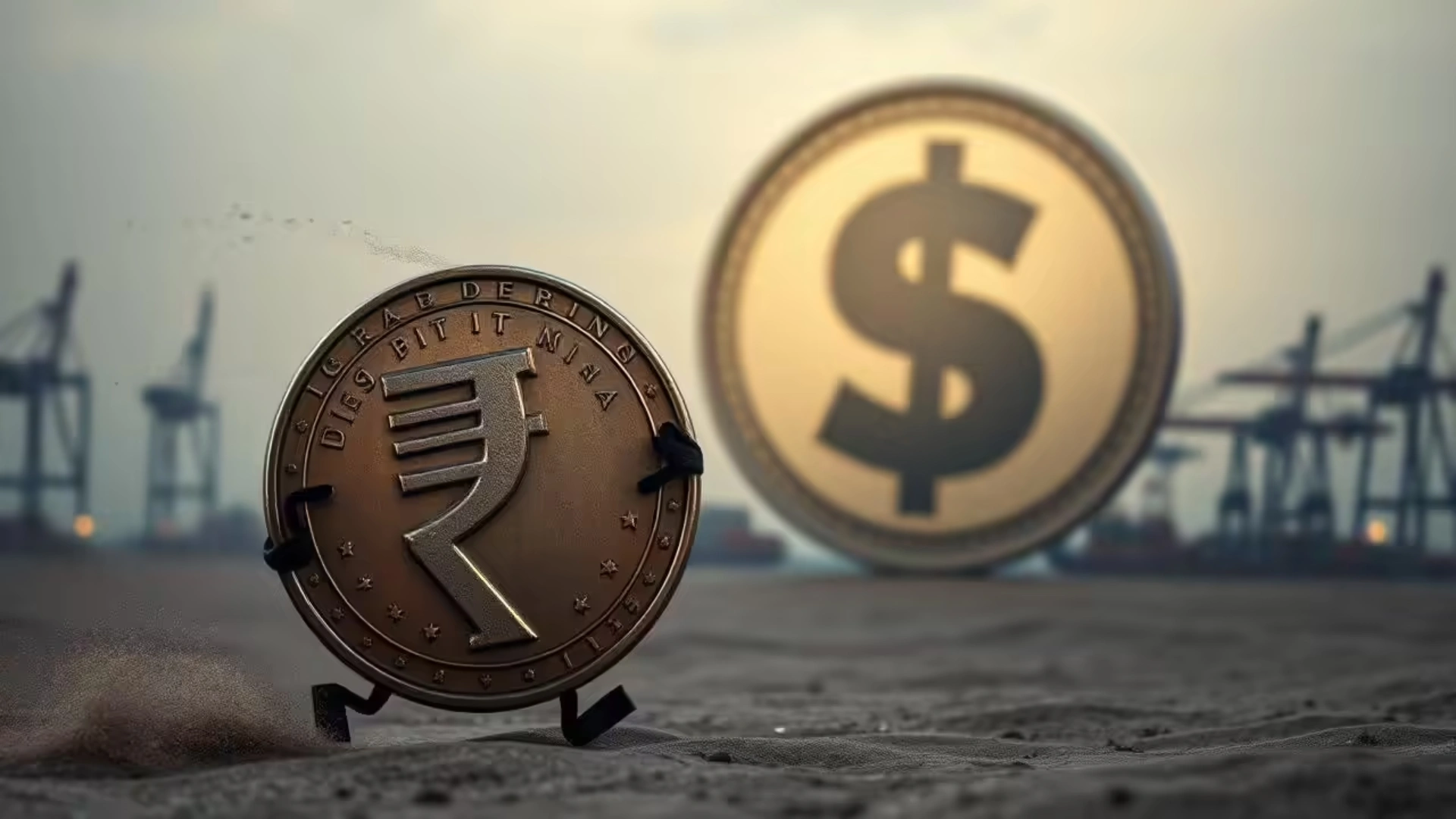
The Indian rupee has plummeted to a new record low against the US dollar, weighed down by persistent concerns over potential US tariffs and a fragile global economic outlook. The currency’s decline reflects broader anxieties surrounding international trade and the impact of protectionist policies on emerging markets.
The rupee’s depreciation has triggered responses from the Reserve Bank of India (RBI), which is closely monitoring the situation and is prepared to intervene to stabilize the currency. The central bank’s actions aim to prevent excessive volatility and maintain orderly market conditions.
Factors Contributing to the Rupee’s Weakness
Several factors have contributed to the rupee’s recent weakness. The primary driver is the escalating trade tensions between the United States and various countries, including India. The threat of increased US tariffs on Indian goods has unnerved investors and prompted capital outflows.
Furthermore, a strengthening US dollar, driven by expectations of further interest rate hikes by the Federal Reserve, has added downward pressure on the rupee. A stronger dollar makes imports more expensive for India and can exacerbate inflationary pressures.
Global economic uncertainty, fueled by geopolitical risks and concerns about slowing growth in major economies, has also contributed to the risk-averse sentiment in financial markets, leading to further depreciation of the rupee.
The weakening rupee has several implications for the Indian economy. It makes imports more expensive, potentially leading to higher inflation. It can also increase the cost of servicing foreign debt, putting a strain on the country’s finances. However, a weaker rupee can also boost exports, making Indian goods more competitive in the global market.
The RBI is expected to take further measures to support the rupee, including intervening in the foreign exchange market and adjusting interest rates. The government may also announce policy measures to attract foreign investment and boost exports. The situation remains fluid, and the rupee’s future trajectory will depend on a complex interplay of global and domestic factors. Investors and businesses are closely watching developments and adjusting their strategies accordingly. The government and the RBI are working to mitigate the negative impacts of the rupee’s depreciation and ensure the stability of the Indian economy.
The ongoing currency volatility underscores the challenges facing emerging markets in the current global economic environment, where trade tensions, rising interest rates, and geopolitical uncertainties are creating significant headwinds.
Image Source: Google | Image Credit: Respective Owner