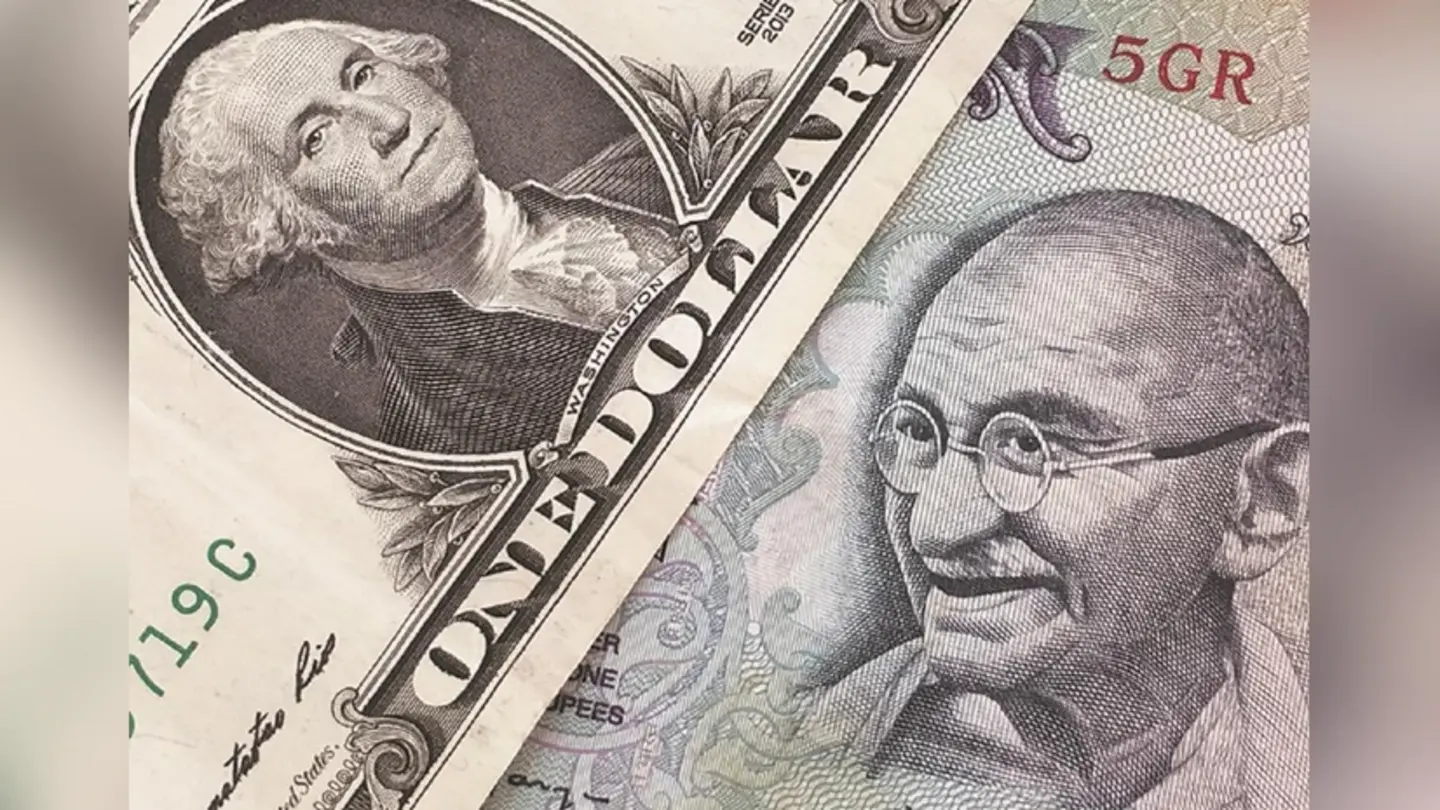
The Indian Rupee plummeted to a new all-time low of 92 against the US dollar on Thursday, continuing a downward trend that has sparked concerns about its impact on the Indian economy. This significant depreciation raises questions about import costs, inflation, and the overall economic stability of the nation.
Several factors are contributing to the Rupee’s decline. A strengthening US dollar, driven by aggressive interest rate hikes by the Federal Reserve to combat inflation, is a primary driver. As the dollar gains strength, currencies worldwide, including the Rupee, tend to weaken. Furthermore, rising crude oil prices are exacerbating the situation. India is a net importer of crude oil, and higher prices increase the demand for dollars to settle these import bills, putting downward pressure on the Rupee.
Global risk aversion, stemming from geopolitical tensions and fears of a potential recession in major economies, is also playing a role. Investors often flock to the safety of the US dollar during times of uncertainty, further boosting its value. The outflow of foreign portfolio investment (FPI) from Indian markets, as investors seek better returns elsewhere, adds to the Rupee’s woes. Recent data indicates a substantial net outflow of FPIs in the past few months.
Impact on Key Sectors
The weakening Rupee has a wide-ranging impact on various sectors of the Indian economy. Imported goods, including essential commodities like crude oil, electronics, and fertilizers, become more expensive. This increased cost is often passed on to consumers, contributing to inflationary pressures. The Reserve Bank of India (RBI) is closely monitoring the situation and has intervened in the foreign exchange market to stem the Rupee’s fall, but its efforts have had limited success so far.
Exporters, however, stand to benefit from a weaker Rupee, as their products become more competitive in international markets. This can lead to increased export revenues and a boost to the manufacturing sector. However, the benefits for exporters are often offset by the higher cost of imported raw materials and components. The IT sector, which generates a significant portion of its revenue from exports, may also see a positive impact, although this can be complex due to hedging strategies.
The depreciation also impacts India’s external debt. While a weaker Rupee can make it cheaper to service debt denominated in foreign currencies, it also increases the overall burden of external debt in Rupee terms. This is a particular concern for companies with substantial foreign currency debt.
Analysts predict that the Rupee may continue to face headwinds in the near future, given the prevailing global economic conditions. The RBI is expected to maintain its intervention strategy, but the effectiveness of this approach will depend on the extent of dollar strength and the level of risk aversion in global markets. The government is also likely to explore measures to boost exports and reduce import dependence to stabilize the Rupee. The current situation necessitates a careful balancing act between managing inflation, supporting economic growth, and maintaining financial stability.
The record low is prompting discussions about potential policy responses, including further tightening of monetary policy and measures to attract foreign investment. The long-term implications of a persistently weak Rupee remain to be seen, but it undoubtedly presents a significant challenge for the Indian economy.
Image Source: Google | Image Credit: Respective Owner