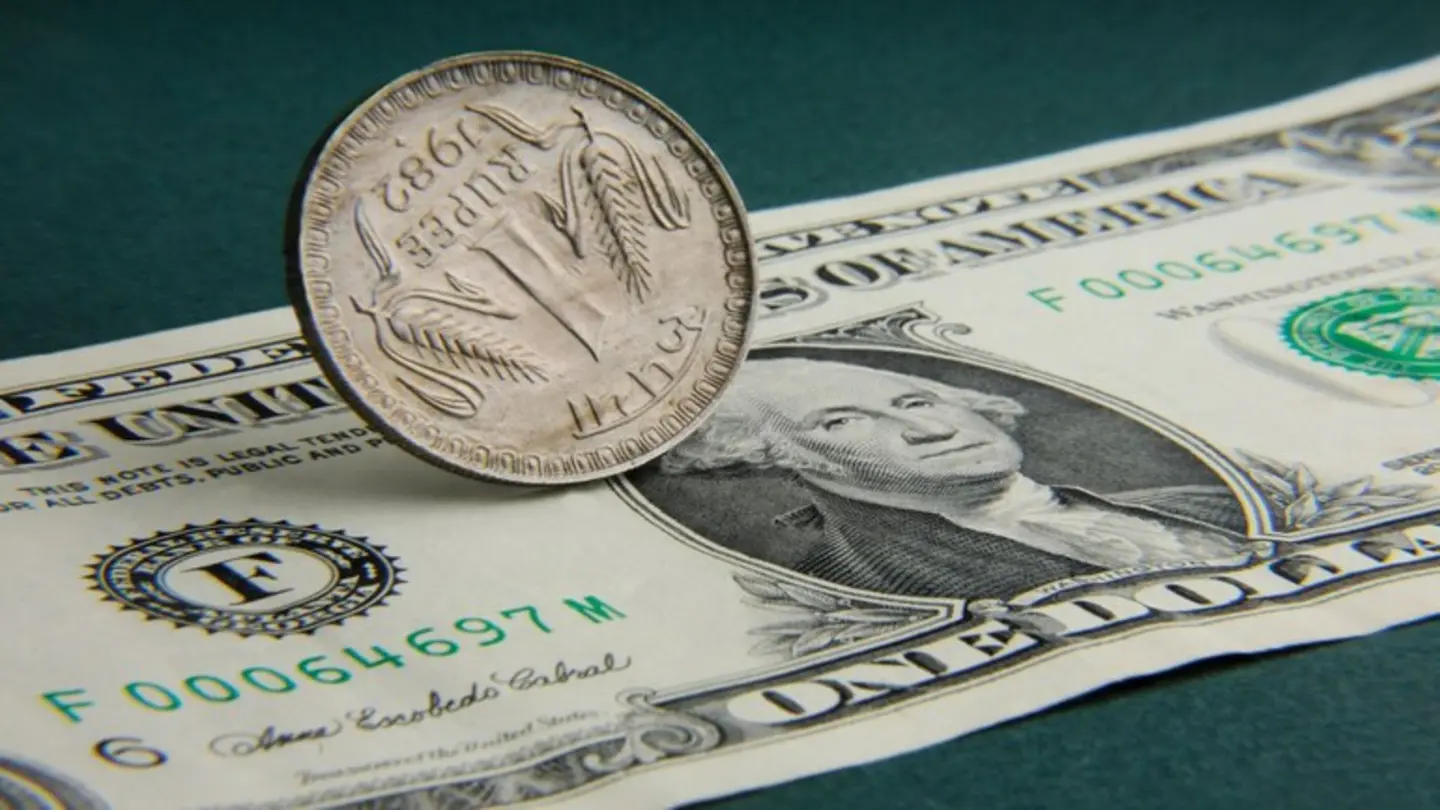
The Indian rupee plunged to a new record low of 89.61 against the US dollar, succumbing to a confluence of negative factors including US sanctions and persistent delays in trade deal negotiations. This marks a significant depreciation of 4.6% for the rupee this year, raising concerns among economists and policymakers alike. The currency’s decline reflects a broader unease about India’s economic outlook amid global uncertainties.
Factors Contributing to Rupee’s Weakness
Several key factors are contributing to the rupee’s downward spiral. The strengthening of the US dollar against other major currencies, driven by expectations of further interest rate hikes by the Federal Reserve, is a primary driver. This makes the dollar more attractive to investors, leading to capital outflows from emerging markets like India. Furthermore, geopolitical tensions, particularly the ongoing conflict in Ukraine and related sanctions imposed by the US, have created volatility in global financial markets, impacting the rupee negatively.
Delays in finalizing crucial trade deals are also weighing on the rupee. India has been actively pursuing trade agreements with several countries and regions to boost exports and attract foreign investment. However, protracted negotiations and unresolved issues have dampened investor sentiment. The uncertainty surrounding these deals adds to the existing economic headwinds, further weakening the rupee.
Moreover, concerns about India’s widening current account deficit are exacerbating the situation. A higher import bill, driven by rising crude oil prices and increased demand for electronic goods, is putting pressure on the rupee. The Reserve Bank of India (RBI) has been intervening in the foreign exchange market to stabilize the currency, but its efforts have had limited success in the face of persistent headwinds.
Potential Impact and Future Outlook
The rupee’s depreciation has several implications for the Indian economy. While it could boost exports by making Indian goods more competitive in the global market, it also increases the cost of imports, potentially fueling inflation. This can hurt consumers and businesses alike. Furthermore, a weaker rupee could make it more expensive for Indian companies to service their foreign debt.
Looking ahead, the rupee’s trajectory will depend on a variety of factors, including the global economic outlook, the trajectory of US interest rates, and the progress of trade negotiations. The RBI is expected to continue intervening in the foreign exchange market to manage volatility. The government may also consider implementing measures to boost exports and attract foreign investment. However, the rupee is likely to remain under pressure in the near term, given the prevailing global uncertainties. The evolving dynamics require constant monitoring and strategic policy adjustments to mitigate adverse impacts and foster economic stability.
The persistent weakness of the rupee poses challenges but also presents opportunities for India to enhance its economic resilience and competitiveness on the global stage.
Image Source: Google | Image Credit: Respective Owner