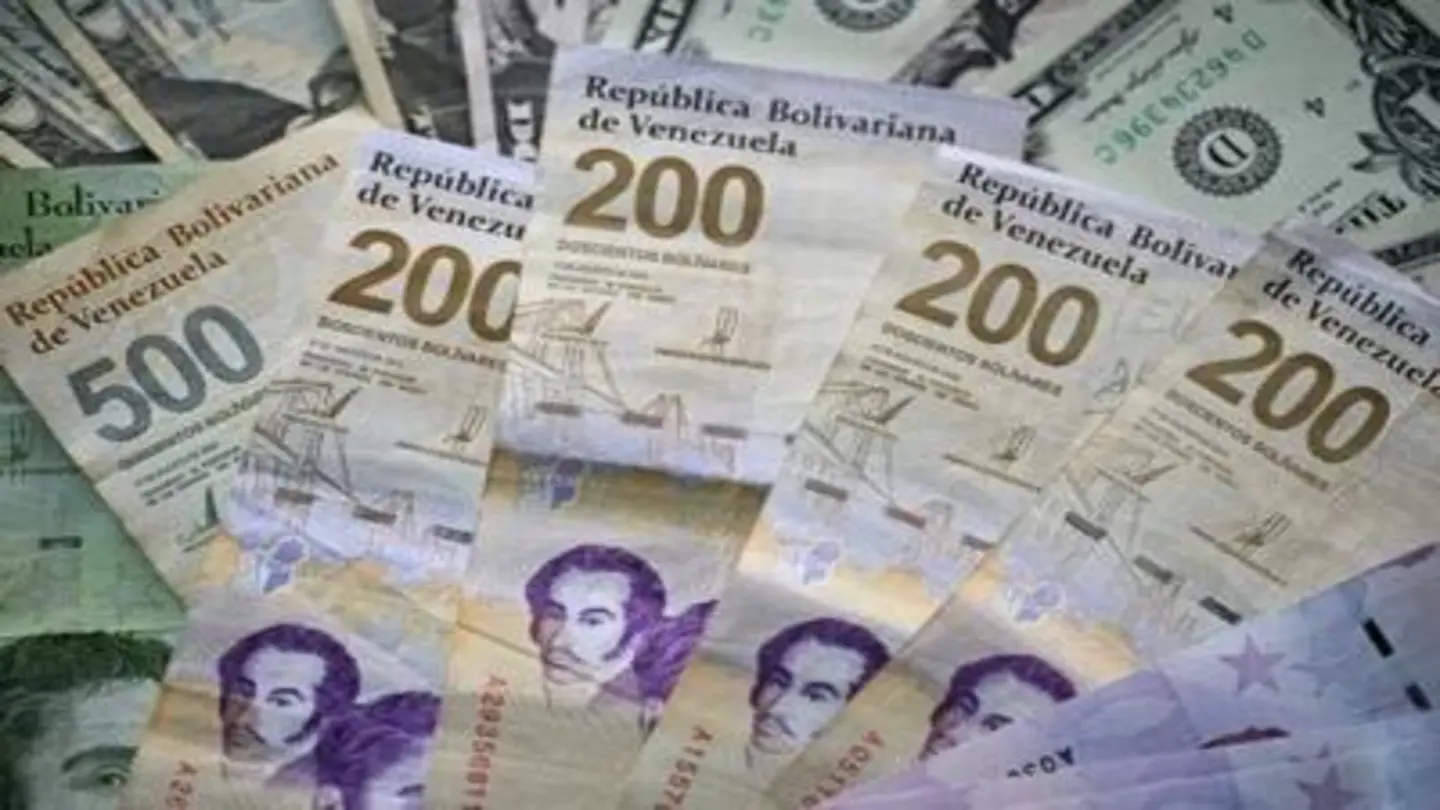
The Indian Rupee is poised for a volatile week as escalating tensions surrounding Venezuela and the possibility of further US economic measures create significant headwinds. Market analysts predict increased pressure on the currency, potentially pushing it towards the 83.30 mark against the US dollar.
The primary driver of this expected weakness is the deepening crisis in Venezuela, particularly following the recent decision by the US to tighten oil sanctions. This action restricts Venezuela’s ability to sell oil, its primary export, and consequently impacts its access to US dollars. India, being a major importer of Venezuelan oil, faces disruption in supply and challenges securing payment routes. The anxieties around alternative arrangements and potential trade imbalances are contributing to the rupee’s vulnerability.
Furthermore, the possibility of additional US sanctions on other nations or sectors adds to market uncertainty. Any move that restricts global trade or increases the demand for US dollars as a safe haven is likely to negatively impact the rupee. Foreign portfolio investment (FPI) flows are also assumed to remain muted due to the current global economic climate and geopolitical risks. This lack of inflow exacerbates the supply-demand imbalance, pushing the rupee weaker.
Impact on Indian Economy
A weaker rupee translates to increased import costs for India, potentially fueling inflation. While a depreciating rupee generally benefits export-oriented industries, the current global slowdown limits the extent of that advantage. Higher oil prices, compounded by a weaker rupee, are particularly concerning for India, which relies heavily on imported oil to meet its energy demands.
The Reserve Bank of India (RBI) is expected to intervene in the foreign exchange market to manage volatility and prevent a sharp depreciation. However, the effectiveness of these interventions is limited, especially in the face of strong dollar demand and a deteriorating global risk appetite. Analysts suggest that the RBI may also adopt other measures, such as tightening liquidity or adjusting its forward guidance, to support the rupee. The central bank holds substantial foreign exchange reserves, providing it with ammunition to defend the currency, but there are concerns about deploying those reserves too aggressively.
Market participants are closely monitoring the US Federal Reserve’s monetary policy stance for further clues. Any indication of continued aggressive rate hikes by the Fed could strengthen the dollar further, intensifying the pressure on the rupee. The ongoing war in Ukraine adds another layer of complexity, contributing to overall market volatility and uncertainty. The current situation demands cautious monitoring from both policymakers and market participants. The rupee’s performance this week will depend heavily on developments in Venezuela, US policy decisions, and the broader global economic landscape. Expectations indicate a challenging period ahead for the Indian currency.
Volatility is expected to remain high, and businesses involved in international trade should prepare for potentially significant fluctuations in exchange rates. It’s crucial to hedge currency exposure adequately to mitigate risks.
Image Source: Google | Image Credit: Respective Owner