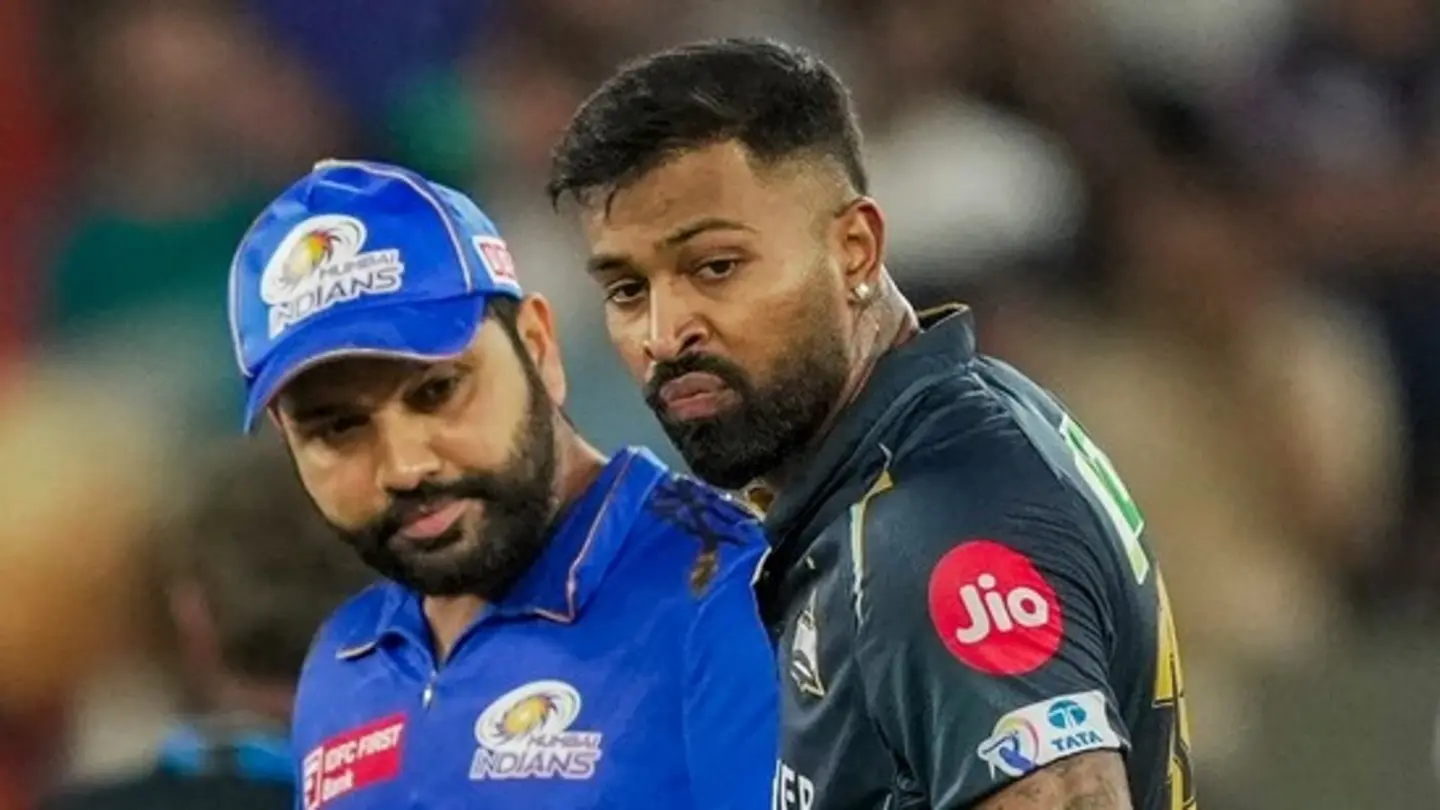
Former cricketer has suggested that Rohit Sharma’s age was a significant factor in the Board of Control for Cricket in India’s (BCCI) decision to consider a change in captaincy. The statement comes amidst discussions and speculations surrounding the future leadership of the Indian cricket team, particularly in the context of upcoming major tournaments.
Rohit Sharma, currently leading the team across all formats, will be 41 years old by the time the 2027 Cricket World Cup comes around. This age consideration aligns with a broader trend in sports management, where teams often plan for long-term succession, ensuring a smooth transition of leadership and maintaining a competitive edge.
Succession Planning in Cricket
Succession planning is crucial in cricket, as it allows teams to groom future leaders and avoid potential disruptions caused by sudden retirements or changes in form. By identifying and nurturing potential captains early on, teams can ensure continuity in their strategies and maintain a cohesive team environment. In this context, Hardik Pandya has been considered by many to take the realm. He led Gujarat Titans to victory in their maiden IPL season in 2022 and to the final of IPL 2023.
The former cricketer’s comment underscores the importance of considering the age and longevity of players in leadership roles. While experience and expertise are invaluable assets, teams must also factor in the physical demands of the sport and the need for a captain who can lead the team effectively over an extended period.
Strategic Decisions by the BCCI
The BCCI’s decision to evaluate captaincy options reflects a proactive approach to team management. By carefully assessing the available talent and considering various factors, including age, performance, and leadership qualities, the board aims to make informed decisions that will benefit the Indian cricket team in the long run. It has been speculated in the media that the board is looking to replace the captain in the T20 format with Hardik Pandya while keeping Rohit Sharma as captain for the Test and ODI formats. But these speculations have not been confirmed by the BCCI.
While Rohit Sharma’s contributions to Indian cricket are undeniable, the need for forward-thinking leadership is paramount. The transition of captaincy, whenever it occurs, will be a critical moment for Indian cricket, and it is essential that the process is handled with careful consideration and strategic planning. As India aims to maintain its dominance in the cricketing world, strategic decisions, including captaincy changes, will play a crucial role in shaping the team’s future success.
The discussion around Rohit Sharma’s age and its potential impact on India’s captaincy decisions highlights the evolving dynamics of sports management. Teams are increasingly focusing on long-term planning, talent development, and strategic leadership to ensure sustained success in a competitive environment.
Image Source: Google | Image Credit: Respective Owner