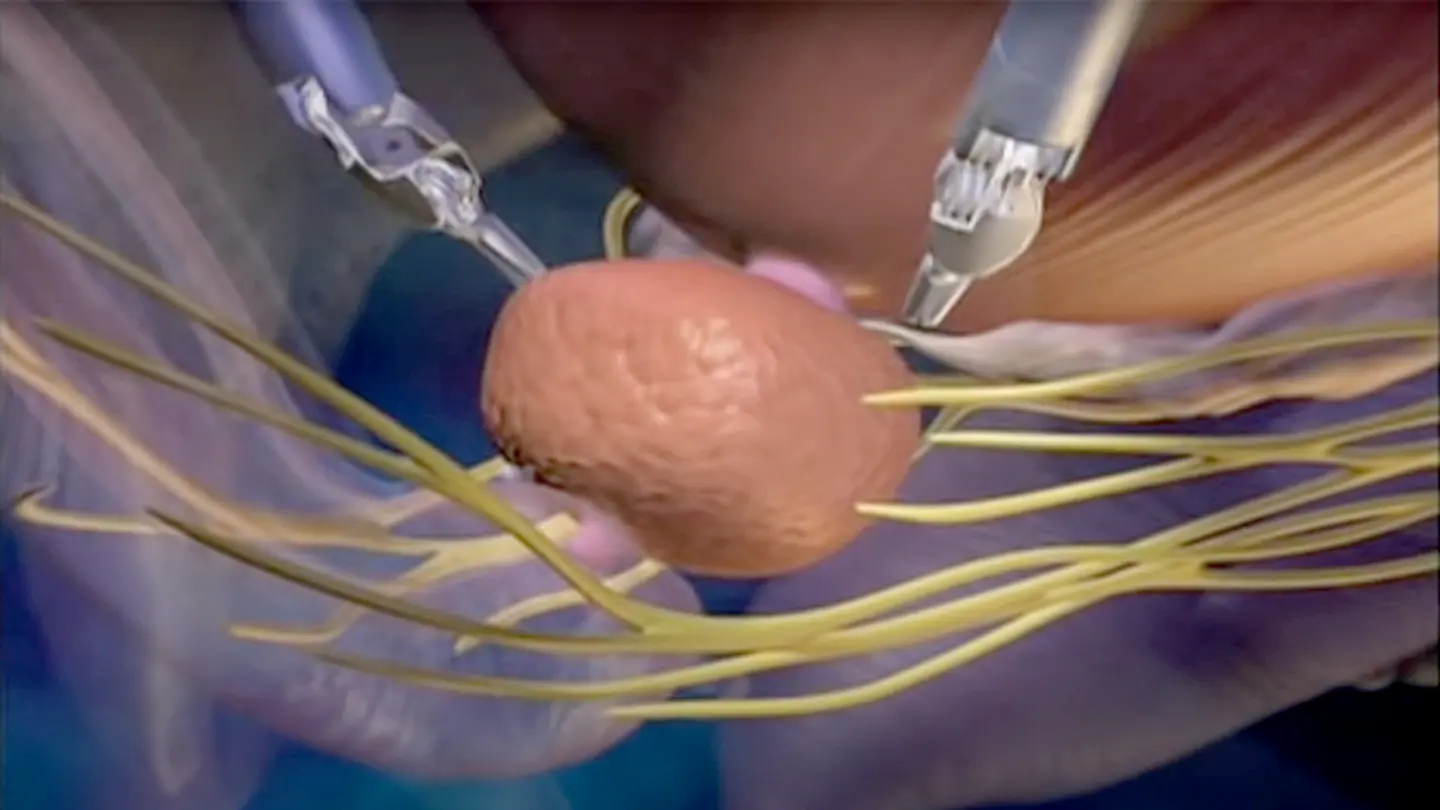
A recent study published in European Medical Journal of Oncology suggests that robot-assisted radical prostatectomy (RARP) is associated with a significantly lower rate of short-term complications in comparison to traditional open radical prostatectomy. The research, conducted across multiple European centers, analyzed data from a substantial cohort of patients undergoing treatment for prostate cancer.
Radical prostatectomy, the complete removal of the prostate gland, is a common treatment for localized prostate cancer. Traditionally performed via open surgery, requiring a larger incision, RARP utilizes robotic arms to assist surgeons with greater precision, flexibility, and control. While previous studies have hinted at potential benefits, this new research offers a more comprehensive comparison of the two surgical approaches focusing on a rigid definition of short-term complications.
The study specifically examined occurrences such as transfusion requirements, prolonged hospital stays, cardiovascular complications, and other postoperative issues within 30 days of surgery. Analysis revealed consistently lower rates across these complication categories for patients who underwent RARP. Researchers attribute these improvements to the minimally invasive nature of the robotic approach, resulting in less blood loss, reduced pain, and faster recovery times.
Study Methodology & Details
Data was collected retrospectively from several high-volume prostate cancer treatment centers across Europe. The researchers meticulously reviewed patient records, surgical reports, and post-operative follow-up data to identify and categorize complications. Rigorous statistical analysis was performed to account for variations in patient characteristics, cancer stage, and surgeon experience, ensuring a more accurate assessment of the true impact of surgical technique.
Beyond the reduced complication rates, the study also indicated a trend toward shorter hospital stays among RARP patients, though the difference did not reach statistical significance in all centers. Patient reported outcomes regarding pain levels and functional recovery also favored the robotic surgery group. However, the researchers emphasize that long-term oncological outcomes – the effectiveness of the surgery in controlling cancer recurrence – remained comparable between the two approaches.
“These findings reinforce the growing body of evidence supporting the use of RARP as a safe and effective treatment option for men with localized prostate cancer,” stated Professor [Researcher’s name if available], the lead author of the study. “The reduced risk of short-term complications can significantly improve the patient’s quality of life during the critical post-operative period.”
The study acknowledges certain limitations, including the retrospective design and potential variability in surgical techniques across different centers. Further prospective, multi-center trials are planned to confirm these findings and to investigate the cost-effectiveness of RARP compared to open surgery. The team also intends to examine the impact of robotic surgery on specific patient subgroups, such as those with high-risk cancer or obesity. This research provides valuable insight for both surgeons and patients when discussing treatment options for prostate cancer.
Ultimately, the choice between RARP and open prostatectomy should be made on an individualized basis, considering the patient’s overall health, cancer characteristics, and surgeon expertise.
Image Source: Google | Image Credit: Respective Owner