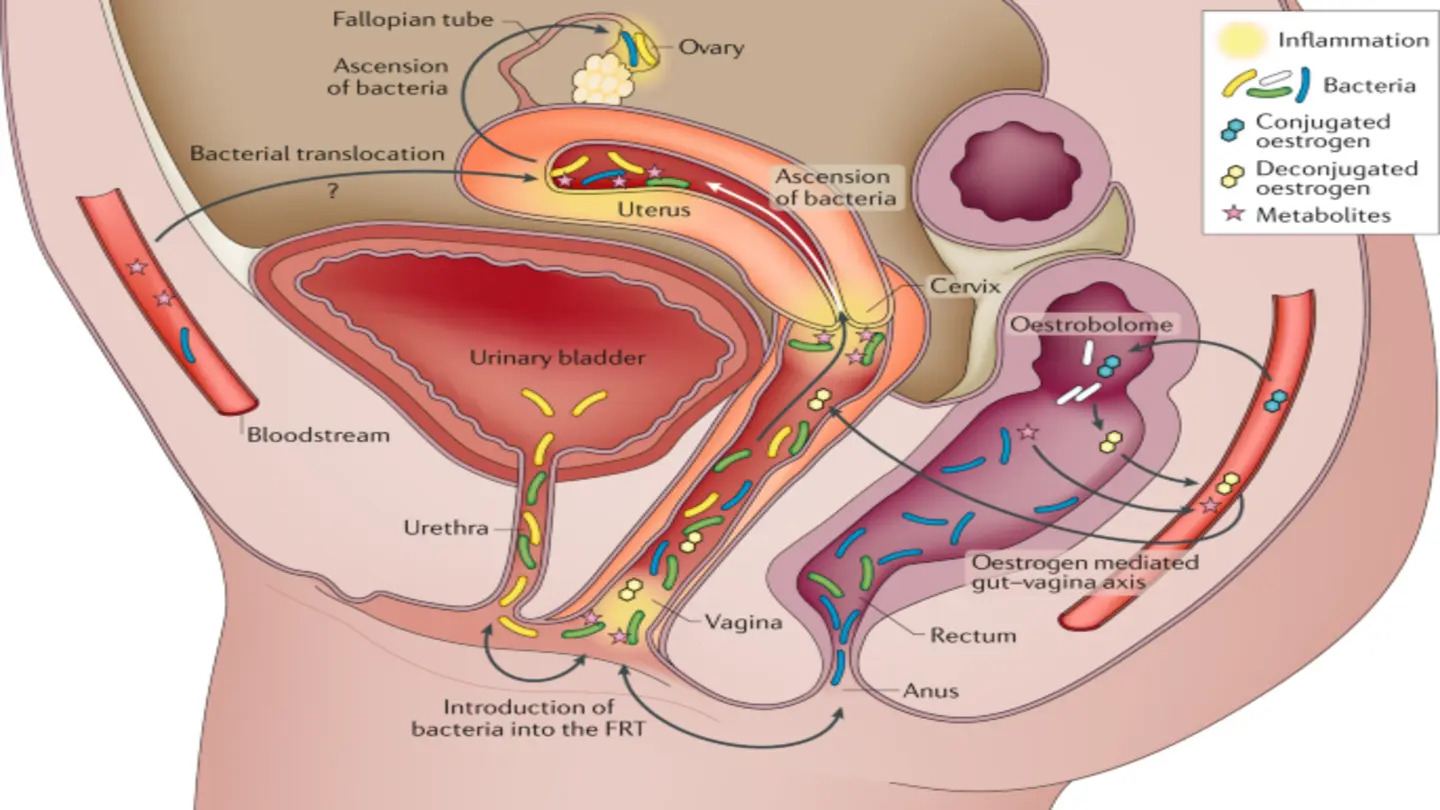
Scientists have delivered the most comprehensive map of the vaginal microbiome to date, revealing hidden bacterial diversity across diverse populations. The work, featured in the European Medical Journal, combines metagenomic sequencing of vaginal swabs from over 2,300 women in Europe, Africa, Asia and the Americas, offering a global reference dataset with unprecedented resolution.
The analysis uncovered more than 300 bacterial strains, many of them previously undocumented, and identified three dominant vaginal community types. Type 1, rich in Lactobacillus crispatus, maintains a low pH that suppresses pathogens. Type 2, characterized by Lactobacillus iners and Gardnerella, shows intermediate acidity and a higher risk of bacterial vaginosis. Type 3, dominated by Prevotella and Mobiluncus, presents a higher pH and greater susceptibility to sexually transmitted infections. These community patterns clustered by geography, hinting at the influence of diet, climate and host genetics on microbial composition.
Key Findings
In addition to the community types, the study catalogued over 150 functional gene pathways, many involved in short‑chain fatty‑acid production, biofilm formation and antimicrobial peptide synthesis. The presence of these pathways correlates with clinical outcomes, suggesting mechanisms for protection or vulnerability to infection. The data also reveal previously unseen Lactobacillus subtypes that co‑occur with non‑Lactobacillus taxa, reshaping traditional models of vaginal ecology.
Implications for Women’s Health
Clinicians can now use the expanded taxonomy as a diagnostic reference, comparing a patient’s microbiome profile to the global dataset to gauge susceptibility to bacterial vaginosis, recurrent infections and adverse pregnancy outcomes. Tailored probiotic regimens that match a woman’s community type may improve efficacy, reduce treatment failures and limit unnecessary antibiotic use, addressing rising concerns about antimicrobial resistance. Public‑health initiatives could incorporate regional microbiome maps to optimize vaccination schedules and antimicrobial stewardship programs, enhancing overall efficacy and minimizing side effects.
Methodology and Collaboration
Samples were collected from university hospitals, community clinics and private laboratories, ensuring broad demographic representation. DNA extraction was followed by shotgun metagenomic sequencing on Illumina NovaSeq platforms, delivering more than 30 terabases of high‑quality data per participant. Bioinformatics pipelines built on open‑source tools such as QIIME 2 and MetaPhlAn 4 performed de novo taxonomic binning and functional annotation, while a machine‑learning classifier grouped samples into community types with 92 % accuracy. All data were anonymized and deposited in the European Bioinformatics Institute’s public repository, fostering reproducibility and further research.
The project received support from the European Research Council, the Wellcome Trust and national health ministries, reflecting a collaborative effort across academia and public agencies. Future research will track the microbiome longitudinally through pregnancy, menstruation and hormonal therapy, and integrate host genomic data to uncover interaction networks that contribute to health disparities.
Image Source: Google | Image Credit: Respective Owner