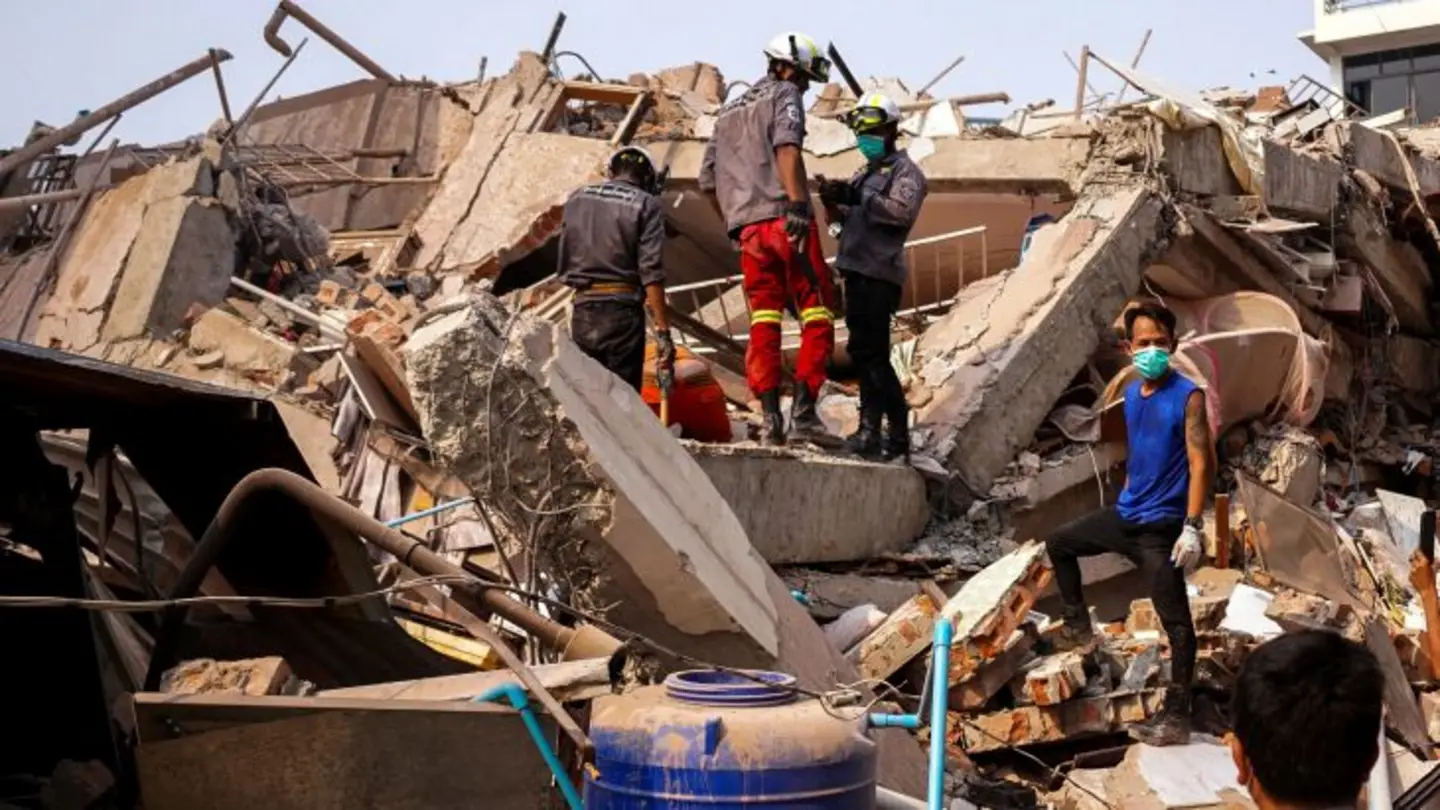
Understanding seismic activity is crucial for disaster preparedness, especially when geological patterns suggest areas may face multiple quakes. Recent scientific analysis reveals how certain earthquake types, such as aftershocks and distant triggering events, can repeatedly impact the same regions. This phenomenon underscores the need for updated risk assessments and resilient infrastructure designs.
Aftershocks occur following a major earthquake as the Earth’s crust adjusts to the initial rupture. However, when a second seismic event strikes the same epicenter or nearby area within a short timeframe, it raises concerns about long-term stability. Regions like Japan’s Nara Prefecture or California’s San Francisco Bay Area have historically experienced clusters of quakes, challenging evacuation protocols and emergency response systems.
Distant Triggering and Seismic Chains
Beyond aftershocks, distant triggering events—where distant faults or tectonic shifts induce quakes elsewhere—add complexity. Researchers have documented cases where earthquakes along one fault line release stress onto adjacent regions, causing secondary tremors. This cascading effect is particularly concerning in seismically active zones like Indonesia and Turkey, where overlapping fault systems heighten risks.
Mitigation strategies now emphasize real-time monitoring and adaptive infrastructure. Innovations like earthquake-resistant buildings and predictive algorithms aim to reduce casualties. Experts stress the importance of public education, urging communities to recognize warning signs and update disaster plans regularly.
As climate change accelerates geological unrest, the frequency of recurring quakes may increase. International collaboration in seismological research and data-sharing platforms like the Global Seismic Network are vital tools in addressing this escalating threat. Understanding these patterns is the first step toward saving lives and safeguarding vulnerable ecosystems.
Image Source: Google | Image Credit: Respective Owner