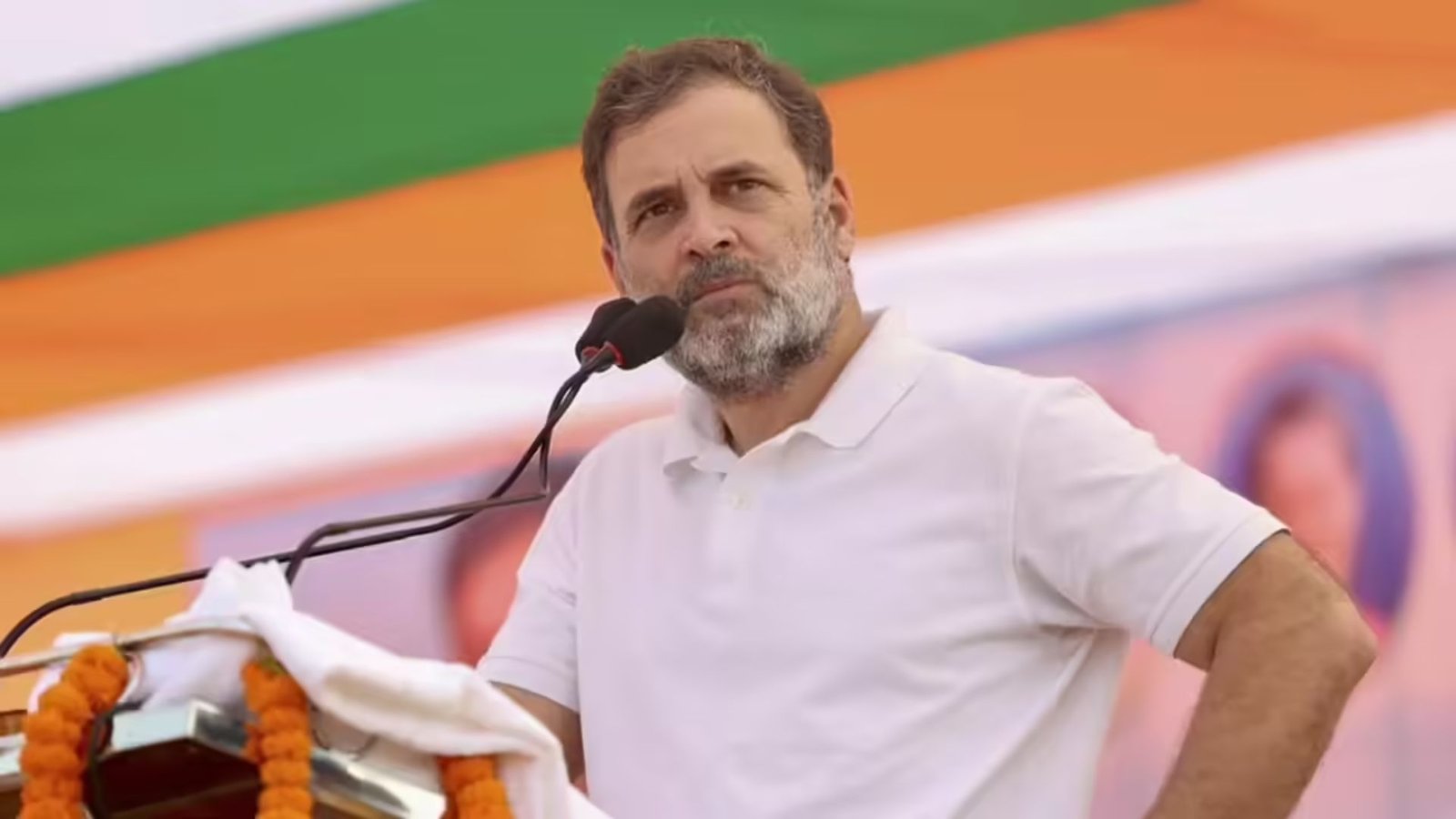
Rahul Gandhi’s recent remarks in Bihar regarding caste representation within the Indian Army have ignited a political firestorm, drawing sharp criticism from the Bharatiya Janata Party (BJP) and prompting widespread debate. Gandhi, while addressing a rally, claimed that only a small percentage, approximately 10%, control the army, implying a skewed representation based on caste. This statement has been interpreted by many as an attempt to politicize the armed forces and create divisions within the ranks.
BJP’s Rebuttal
The BJP has vehemently condemned Gandhi’s comments, accusing him of undermining the morale of the armed forces and attempting to incite caste-based animosity. Party leaders have asserted that the Indian Army is a secular institution that operates purely on merit and professionalism, with no regard for caste or creed. They further stated that Gandhi’s remarks are not only factually incorrect but also deeply irresponsible, given the sensitive nature of the issue and the potential to create social unrest.
“Such statements are detrimental to the unity and integrity of the nation,” a BJP spokesperson stated in a press conference. “The Indian Army is a symbol of national pride, and it is unacceptable to cast aspersions on its composition or integrity.”
Congress’s Defense
In response to the backlash, the Congress party has attempted to clarify Gandhi’s statement, claiming that he was merely highlighting the need for greater inclusivity and representation within all institutions of the country, including the armed forces. Party members have argued that Gandhi’s intention was not to denigrate the army but rather to advocate for a more equitable society where all sections of the population have a fair chance to participate.
However, this defense has done little to quell the controversy, with many political analysts and social commentators criticizing Gandhi for what they see as a poorly timed and ill-conceived attempt to play the caste card. Critics argue that such remarks can have far-reaching consequences, especially in a country as diverse and socially stratified as India.
Impact and Analysis
The controversy surrounding Gandhi’s caste remark is likely to further polarize the political landscape and intensify the ongoing debate about caste-based reservation and representation in India. It also raises important questions about the role of political leaders in shaping public discourse and the potential impact of their words on social harmony. The issue has resonated strongly in Bihar, a state with a history of caste-based politics, where political parties are already gearing up for upcoming elections. The incident underscores the delicate balance between advocating for social justice and avoiding the exploitation of caste sentiments for political gain. The fallout from Gandhi’s statement is expected to continue in the coming days, with further reactions from political parties, social organizations, and the general public.
Image Source: Google | Image Credit: Respective Owner