Parliamentary Showdown
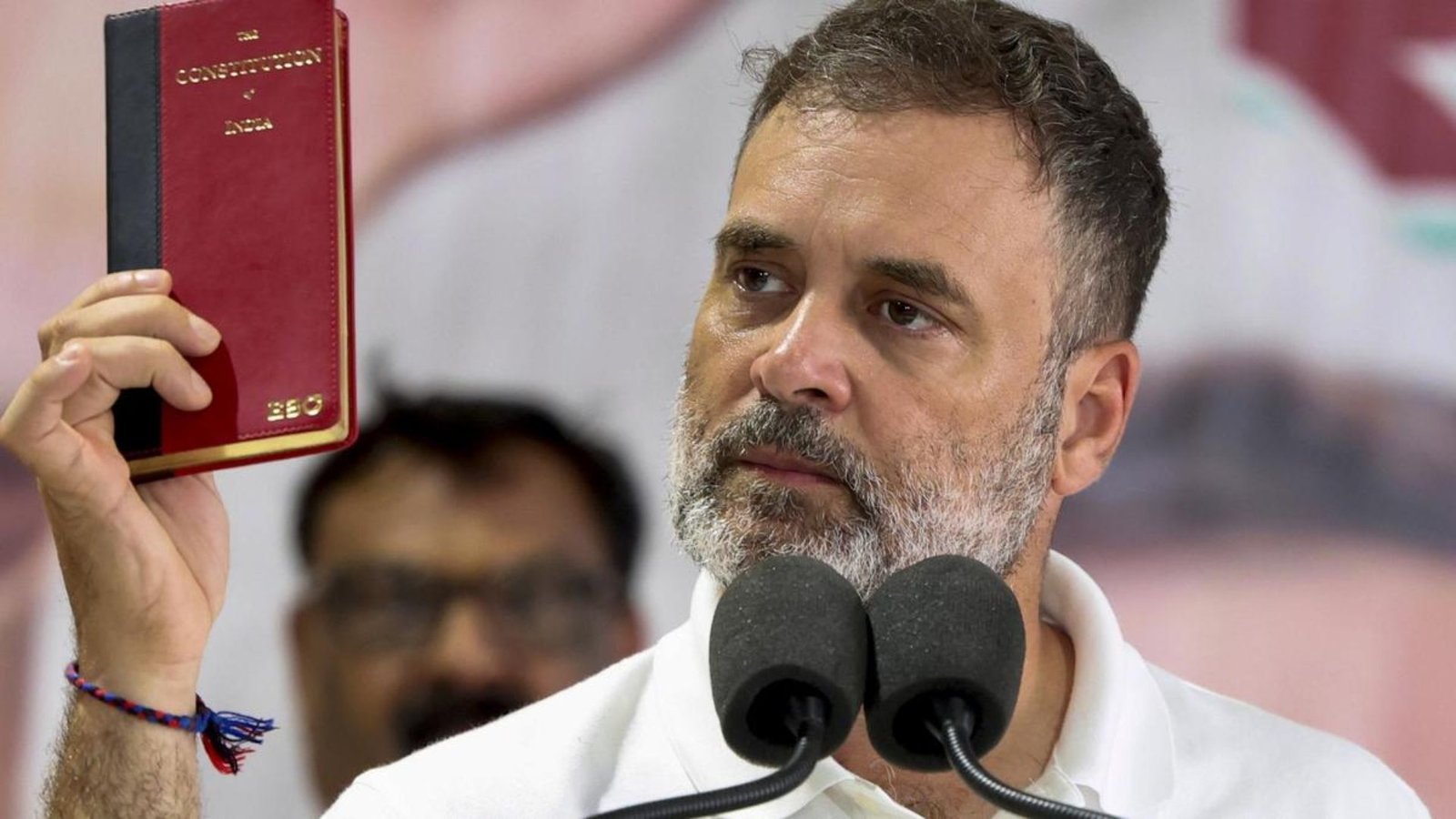
In a fiery address to the Lok Sabha, Congress leader Rahul Gandhi declared the ruling party’s intention to amend legislation governing the Election Commission (EC) with retrospective effect. “We will come looking for you,” he warned, signaling a dramatic escalation in the political battle over electoral oversight.
Gandhi’s remarks came amid ongoing disputes about the EC’s impartiality during recent state elections. He accused the commission of bias in favor of the ruling party, alleging delays in decision-making and unequal enforcement of campaign finance rules. “The EC has become a tool of the government, not a neutral arbiter,” he asserted, demanding urgent structural reforms.
The proposed amendment, if enacted, would empower Parliament to directly influence the EC’s composition and decision-making processes. Critics argue such a move would undermine judicial safeguards and blur separation of powers. Legal experts caution that retrospective changes could invigorate challenges under the basic structure doctrine, potentially leading to constitutional crises.
Opposition parties condemnation was swift. The BJP dismissed Gandhi’s speech as political theater, accusing the Congress of sour grapes after losing key state polls. “This is not about governance; it’s about revenge,” said a senior minister, highlighting the Congress’s past administrative record as evidence of inconsistency.
Meanwhile, civil society groups have rallied against the proposed amendment. Transparency International India warned that politicizing the EC risks eroding public trust in electoral outcomes. “Independent institutions are the bedrock of democracy,” stated their spokesperson, urging cross-party consensus before any legislative action.
The debate has reignited concerns about institutional independence in the world’s largest democracy. Analysts note that similar attempts in the past—including controversies over the Central Bureau of Investigation and the Enforcement Directorate—have historically led to judicial intervention. With upcoming national elections on the horizon, the EC’s neutrality remains a flashpoint for all major parties.
Gandhi concluded his address by vowed to pursue the amendment “in the coming weeks,” framing it as essential for electoral fairness. However, the bill faces stiff resistance not only from opposition benches but also from legal and constitutional experts who argue that altering institutional frameworks via retrospective legislation sets a dangerous precedent. The coming parliamentary sessions are expected to witness intense deliberation on this contentious issue.
Image Source: Google | Image Credit: Respective Owner