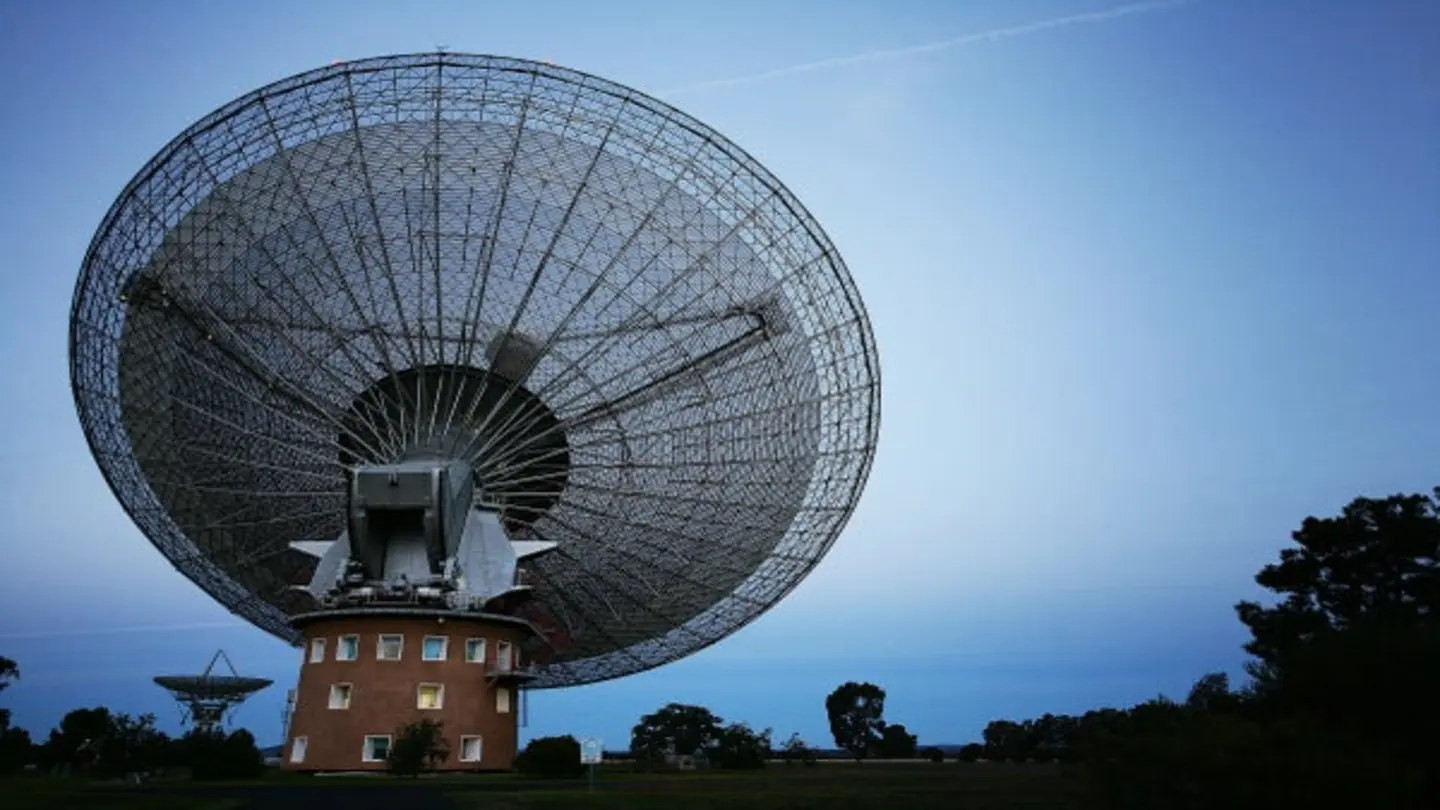
A groundbreaking astronomical endeavor spanning 124 light-years has culminated in a remarkable discovery that could redefine humanity’s understanding of the cosmos. The search, which utilized advanced radio telescopes and cutting-edge signal detection technology, was designed to identify potential signs of extraterrestrial intelligence or unusual cosmic phenomena.
Scientists involved in the project described the findings as both unexpected and profound. While the exact nature of the discovery remains under review, early indications suggest it may involve previously undetected patterns in deep-space radio emissions. These patterns could offer new insights into the behavior of distant celestial bodies or even hint at the presence of technologically advanced civilizations beyond Earth.
The research team, comprising experts from multiple international institutions, employed a network of radio telescopes to scan vast regions of the galaxy. The 124-light-year radius was chosen based on theoretical models predicting the likelihood of detecting artificial signals within that range. Over several months, the team meticulously analyzed terabytes of data, filtering out known cosmic noise to isolate anomalies.
One of the lead researchers noted that the discovery challenges existing assumptions about the distribution of intelligent life in the universe. ‘If these signals are indeed artificial, it would suggest that we are not alone and that other civilizations may be attempting to communicate across the void of space,’ they stated. However, the team emphasized the need for further verification to rule out natural explanations.
The discovery has already sparked intense debate within the scientific community. Some experts argue that the findings could represent a paradigm shift in astrobiology, while others caution against premature conclusions. The research team has pledged to release additional data and analysis in the coming weeks, inviting peer review and collaboration from the global scientific community.
This achievement also highlights the growing capabilities of modern astronomy. Advances in signal processing, machine learning, and telescope technology have made it possible to conduct searches of unprecedented scale and precision. The success of this project may pave the way for even more ambitious efforts to explore the mysteries of the universe.
As humanity stands on the brink of potentially transformative knowledge, the implications of this discovery extend far beyond the realm of science. It raises profound questions about our place in the cosmos and the possibility of contact with other intelligent beings. Whether this marks the beginning of a new era in space exploration or a fascinating anomaly, one thing is certain: the search for answers has only just begun.
Image Source: Google | Image Credit: Respective Owner